What Are Security Systems?
Security systems are an integral part of safeguarding both residential and commercial premises, serving as the first line of defence against unauthorised intrusions and threats. In Brisbane, where safety and security are paramount, understanding security systems is crucial for protecting assets and ensuring the well-being of occupants.
Definition of Security Systems
At its core, a security system is a network of integrated devices and technologies designed to detect, monitor, and respond to potential threats. These systems typically include components such as motion detectors, surveillance cameras, alarms, access control panels, and sensors, all working cohesively to create an envelope of protection around your property. Much like an orchestra playing a symphony, each element in a security system has a distinct role but combines harmoniously to provide comprehensive security coverage.
Consider the security system as the watchful eye of a property, constantly vigilant and proactive. Its capabilities stretch beyond simply alerting you to a broken window or a forced door. Modern advancements include smart technologies and cloud integrations that facilitate remote monitoring and instant notifications, adding layers of convenience and control unheard of in traditional setups. These types of security systems are particularly relevant in Brisbane, where property owners face unique challenges, from urban density to geographical considerations that necessitate specialised solutions.
The Importance of Security Systems
The necessity of security systems in Brisbane cannot be overstated. As the city continues to grow, so too does the complexity of ensuring property security. Security systems not only deter potential intruders but also provide peace of mind to homeowners and business operators. When a visible security presence is established, it acts as a significant deterrent, reducing the likelihood of crime.
Imagine a bustling Brisbane retail store. A customer walks in, and above them, discreet yet effective surveillance cameras silently capture every movement. Should there be an incident, these recorded footages become invaluable evidence, helping solve incidents swiftly. Furthermore, integrating these systems with security patrols can offer unparalleled vigilance, ensuring businesses remain secure after hours.
The implications extend beyond just deterrence and evidence collection. Security systems improve response times in emergencies. For instance, if there’s a security breach, real-time alerts can notify both property owners and emergency services instantaneously, reducing potential losses and damage. This rapid response mechanism is crucial not only for protecting assets but also for ensuring the safety of all individuals on the property.
Ultimately, investing in robust security systems is a safeguard against the uncertainties of an ever-evolving world. While no system can guarantee protection against all forms of crime, a well-planned security strategy, fortified by advanced systems, acts as a formidable barrier, offering reassurance and protection tailored to Brisbane’s unique environment. In a city where the balance between urban vibrancy and safety is delicate, security systems stand as indispensable allies, securing the future for homes and businesses alike.
Types of Security Systems
Security systems have dramatically evolved, offering diverse options tailored to specific needs. Whether safeguarding homes, commercial establishments, or industrial settings, the right system is key to ensuring safety and peace of mind. Each system type is designed with unique features to address various threats and operational requirements.
Home Security Systems
Home security systems are not just about high-tech gadgets; they are about peace of mind. They combine seamless technology with user-friendliness, making them ideal for Brisbane homeowners who seek to protect their sanctuaries.
Components of Home Security Systems
A comprehensive home security system typically includes surveillance cameras, alarm systems, motion detectors, and smart locks. Cameras are the eyes of the system. When placed strategically, they deter potential intruders while capturing vital footage for further action. Alarm systems act as an auditory deterrent, alerting both residents and, often, neighbours to any suspicious activity. Motion detectors serve as the system’s senses. They effectively alert homeowners to unusual movements. Modern smart locks offer keyless entry, allowing homeowners to control who enters their property.
Think of a home security system like a well-rehearsed orchestra. Each component plays an integral role, ensuring the melody of security remains uninterrupted. With advancing technology, the integration of these components means a more robust shield against potential threats.
Benefits of Home Security Systems
The advantages stretch beyond mere protection against burglaries. These systems enable residents to monitor their properties in real time, even from afar. Imagine being at work or on holiday while still keeping an eye on things at home, providing tremendous peace of mind.
The key benefit, however, lies in prevention. Visible security measures, such as cameras and alarms, deter potential intruders, significantly reducing the risk of break-ins. Insurance companies often offer homeowners premium discounts when proactive security measures are in place. This translates to both economic savings and investment in long-term well-being. Additionally, modern systems can detect environments that pose potential hazards, such as leaks or fires, enabling rapid response to protect loved ones.
Business Security Systems
For businesses, security transcends mere theft protection. It ensures operational efficiency, protects sensitive information, and maintains the safety of personnel and customers. In an urban centre like Brisbane, where businesses thrive, securing your operations effectively is paramount.
Key Features of Business Security Systems
Business security systems encompass a range of features, each designed to comprehensively safeguard assets. Access control systems, for instance, ensure only authorised personnel can access sensitive areas. When coupled with biometric readers, they provide a heightened level of security, unique to each authorised user. Surveillance cameras equipped with high-resolution capabilities monitor activities 24/7, giving valuable insights during investigations.
Alarm systems tailored for commercial needs are often integrated with monitoring services. This ensures any breach is immediately reported to local authorities, protecting valuable assets from potential threats. Environmental sensors are another critical element, particularly in industries where temperature or humidity levels must be maintained within specific parameters.
Advantages for Businesses
Businesses benefit from enhanced security systems in ways that reverberate through various aspects of operations. First and foremost, they ensure employee safety, a top priority for any responsible business owner. Moreover, they protect intellectual property and sensitive client information, especially crucial in sectors like healthcare and finance.
Advanced security systems can also streamline daily operations. Access control systems, for example, provide insights into employee attendance and productivity. They offer unparalleled flexibility, allowing business owners to manage and monitor their systems remotely, a convenience that aligns well with the dynamic lifestyles of Brisbane’s business owners.
Industrial Security Systems
Industrial security systems present unique challenges and opportunities, particularly given the scale and specific risks of industries such as manufacturing and logistics. Tailored solutions effectively address these distinctive needs.
Special Considerations for Industrial Environments
Industrial environments demand rugged solutions that withstand harsh conditions. Think of expansive warehouses, bustling with activity, where the risk of accidents or unauthorised access is heightened. Therefore, robust surveillance systems are crucial, providing wide-angle views and high-definition quality to monitor vast spaces efficiently.
Access control systems in industrial settings are designed for high-volume use, are durable and reliable, and ensure operations continue smoothly even under demanding circumstances. Furthermore, they may include perimeter security systems, such as barriers and fencing, integrated with advanced sensors to detect unauthorised entries.
Safety in industrial settings also involves safeguarding personnel from environmental hazards. Security systems often include warning systems for hazardous material leaks or fire outbreaks, enabling prompt evacuations and responses.
Implementation Strategies
Implementing security systems in industrial settings requires strategic planning. Initial assessments should focus on identifying vulnerable points, both internally and peripherally. These insights drive decisions regarding the type and placement of surveillance equipment, sensors, and controls.
Training staff on the system’s functionality is equally crucial. Real-world drills ensure personnel are prepared for potential breaches, enhancing their reactions during real-life incidents. Regular maintenance checks, moreover, ensure systems remain in optimal condition, reducing the chances of malfunction during critical moments.
A holistic security approach, including regular updates and evaluations, is vital as industries face evolving threats. For Brisbane’s industrialists, integrating security solutions tailored to specific operational needs is the foundation for long-term growth and innovation. By putting these strategies into action, industrial leaders create a safer, more reliable environment for their teams, assets, and the surrounding community.
Components of Security Systems
Every state-of-the-art security setup is a harmonious symphony of thoroughly developed components, each designed to serve a distinct yet complementary purpose. From surveillance cameras to access control systems, these components create a cohesive shield of protection across residential and commercial properties.
Surveillance Cameras
Utilising surveillance cameras as a primary guardian within any security framework is indispensable. These insightful devices do more than just record footage. They proactively deter potential threats, providing peace of mind both in homes and businesses.
Types of Surveillance Cameras
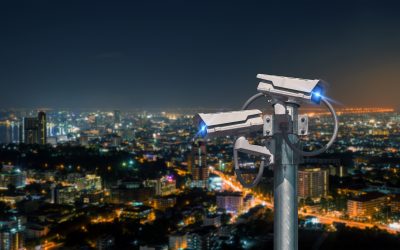
There exists an array of surveillance cameras, each tailored for specific environments and requirements. Dome cameras, with their subtle presence, are ideal for indoor monitoring where discretion is valued. In contrast, bullet cameras offer a more visible deterrence and are suited for outdoor placements, built to withstand varying weather conditions. Then there are PTZ (pan-tilt-zoom) cameras, which bring a dynamic edge through their ability to capture expansive areas by rotating and zooming with precision. In highly trafficked public spaces, 360-degree fisheye cameras provide a comprehensive, all-around view without blind spots.
Placement and Coverage
A camera is only as effective as its strategic positioning. Placing cameras at points of entry and exit fortifies vulnerabilities, ensuring that every visitor is accounted for. A driveway, often overlooked, provides a critical vantage point for capturing vehicles and their occupants. Indoors, the intersection of key pathways, such as stairwells and entrances to the main living or working areas, is pivotal. These placements not only cover frequently used areas but also ensure every angle is visible, leaving nowhere for illicit behaviours to hide.
Alarm Systems
Alarm systems are the cornerstone of an alert mechanism, ready to spring into action at a moment’s notice. They serve as both preventive and reactive tools in any security plan.
Diverse Types of Alarm Systems
The versatility of alarm systems caters to a broad spectrum of needs. Traditional wired alarm systems, renowned for their reliability, require structured installation but deliver consistent performance. Meanwhile, wireless alarms offer the flexibility of easy installation and modification, an attractive option for those prioritising convenience. Hybrid systems seamlessly blend the benefits of both wired and wireless models, providing a balanced solution that harnesses the best of both worlds.
Effectiveness of Alarms in Deterrence
Research conducted by the Australian Institute of Criminology stands as testament to the power of alarms, with statistics showing that properties with operational alarms are significantly less likely to be targeted. The mere presence of an alarm system can deter intruders before they make any attempt. In high-density neighbourhoods, a blaring siren not only alerts the inhabitants but also draws the attention of neighbours, creating a community-level response to potential threats.
Access Control Systems
Access control systems are the gatekeepers of secure environments, managing who enters and exits, and ensuring that properties remain sanctuaries of safety.
Modern Access Control Technologies
Today’s access control technologies have evolved beyond traditional lock-and-key systems. Swipe cards and fobs have paved the way for more sophisticated solutions, such as biometric access controls, which utilise unique physiological traits, such as fingerprints or facial recognition, to grant access. Smart locks, controlled via mobile apps, offer users the convenience of unlocking their premises remotely, catering to modern lifestyles where remote management is increasingly prized.
Integration with Other Systems
The integration of access control systems with other security components enhances the overall efficiency of security management. Pairing access control with surveillance cameras allows real-time monitoring of entries and exits, creating a seamless flow of information. Within commercial properties, integration with time-logging systems streamlines attendance management, improving operational efficiency and reducing administrative burdens.
Intercom Systems
Intercom systems serve as the voice of the security framework, providing an instant communication channel between entry points and individuals on the premises.
Applications of Intercom Systems
Intercom applications span a wide range, from residential complexes to expansive commercial facilities. In a residential setting, video intercoms offer residents a preview of visitors, adding a visual layer to communication. In bustling office environments, audio intercoms provide a quick way to verify personnel before granting them access to certain areas of a facility. Their adaptability makes them an essential tool for maintaining secure interactions across varied contexts.
Benefits of Using Intercoms
The presence of intercom systems in a security arrangement delivers a host of benefits. For residents, the ability to communicate with visitors or delivery personnel from the safety of one’s home significantly increases convenience and security. On a commercial level, intercom systems can significantly streamline access and communication management between co-workers, providing both security and operational efficiency. Enhanced communication equates to faster responses to urgent situations, potentially averting security breaches or operational hiccups before they escalate.
By integrating these critical components, a security system’s efficacy is amplified, weaving a robust net of defence and functionality that caters to the distinctive demands of Brisbane’s dynamic urban and suburban landscapes.
Monitoring and Response
Security monitoring stands as the vanguard of a comprehensive protection strategy, enabling real-time vigilance and swift intervention at the slightest hint of a security breach. In Brisbane, a city that boasts a dynamic urban environment, employing effective monitoring and response mechanisms is both a commitment to public safety and a necessity for asset protection. Security systems, when integrated with advanced monitoring and response solutions, provide layers of assurance that elevate safety from mere theory to palpable reality.
The Role of Security Monitoring
At its core, security monitoring serves as an ever-watchful eye, guarding both residential and commercial premises with unwavering attentiveness. Imagine it as a virtual sentinel, ever-ready, responding instantly to potential threats. In a bustling metropolis like Brisbane, where businesses thrive and residential areas grow, the value of vigilant monitoring cannot be overstated.
Consider security systems that leverage modern technology. These can include networked CCTV cameras, sensors, and alarm systems, all feeding into a centralised control hub manned 24/7. Such systems empower quick responses, often deterring crime before it escalates. Statistics further cement this; reports indicate that areas with active security monitoring see a significant decrease in incidents, underscoring its deterrent effect. Monitoring is not just about reacting; it’s a proactive measure that businesses and homeowners alike can count on for peace of mind.
Importance of Security Patrols
Security patrols inject the human element into security strategies. While cameras can capture incidents and sensors can trigger alarms, the presence of trained personnel patrolling a site provides a dynamic, flexible layer of security. In Brisbane, where neighbourhood safety trends are constantly evolving, patrols play a crucial role in maintaining a visible security presence that resonates with potential threats and the communities they aim to protect.
Patrols are adept at identifying hazards that static systems might miss. They can swiftly address unusual activities, inspect less-trafficked areas prone to tampering, and engage on-site personnel directly to gather real-time insights. Beyond mere observation, patrols bring expertise and judgement into play, often de-escalating situations before they require further intervention. Their presence and diligence act as a formidable deterrent that technology alone cannot replicate.
Types of Security Patrols
Diversity in patrol types is crucial for effectively addressing varied security needs. Mobile patrols, for instance, provide roving coverage, ideal for large commercial properties in Brisbane’s industrial districts. These patrols follow predetermined routes while maintaining the flexibility to shift focus as needed, covering large areas swiftly and efficiently.
Static patrols, on the other hand, offer vigilant monitoring of specific locales, such as entry and exit points or high-risk sections of a property. The adaptability of special event patrols should also be mentioned, designed to cater to unique situational demands, like Brisbane’s festivals and public gatherings. Each type of patrol brings a tailored suite of capabilities to fortify and adapt to Brisbane’s distinct security landscape.
Patrol Scheduling Techniques
Patrol scheduling is the strategic backbone that maximises the efficacy of security patrols. An insightful approach balances the predictability beloved by routine-cravers and unpredictability favoured by those seeking to outmaneuver potential threats. Regular scheduling ensures a visible, enduring security presence, essential for calming community concerns and providing reassurance.
Conversely, irregular patrols add an element of surprise that thwarts those who may try to exploit perceived gaps in coverage. Employing data analytics allows for identifying peak times of threat likelihood. Here, Brisbane-specific insights come into play, leveraging local data to optimise timing and ensure patrols are most active during high-risk periods identified by crime trends and historical patterns.
Effective patrol scheduling thus transforms a simple security layer into a dynamic strategy, streaming tailored supervision and coverage when and where it’s most needed. The scope for innovation in this field is boundless, and the outcomes, safer environments and calmer minds, underscore its importance in modern security frameworks.
Trends in Security Systems
Security systems have become more than just a necessity. They are a cornerstone of safeguarding our homes and businesses. The security industry is evolving at an astonishing pace, with innovations designed to meet the unique demands of bustling urban areas like Brisbane. By embracing cutting-edge technology and adaptive solutions, we can enhance the protection of valuable assets while ensuring peace of mind.
Recent Technological Advancements
The past few years have witnessed transformative advancements in security technology, driven mainly by the integration of artificial intelligence and IoT (Internet of Things) devices. Picture this: a homeowner in West End receives a real-time notification on their smartphone because their smart camera detected an unfamiliar vehicle in their driveway. This scenario demonstrates the modern shift towards smarter, more responsive systems that deliver immediate information and enable immediate action.
Incorporating AI enables systems to learn and adapt, distinguishing between innocuous activities, such as a dog passing by, and potential threats that require urgent attention. For instance, integrating machine learning algorithms enables cameras to detect anomalous behaviour, such as individuals lingering near entrances for extended periods, effectively reducing false alarms and improving response accuracy.
Additionally, biometric access control is revolutionising security practices across the commercial sector. An office in Brisbane’s central business district could use advanced facial recognition or fingerprint scanning to optimise access control, ensuring that only authorised personnel gain entry. This technology not only fortifies premises against unauthorised access but also streamlines operations, increasing efficiency.
Furthermore, cloud-based solutions are eliminating geographical barriers in security. They offer remote control and monitoring of security systems, allowing business owners in Fortitude Valley to manage their security systems from anywhere in the world. With systems updating in real time, any security breach is communicated to the user immediately, empowering them with timely, actionable information.
Future of Security Systems
Looking ahead, the future of security systems seems poised for further evolution, as the industry embraces innovations that are not just reactive but predictive. Imagine a New Farm homeowner using a security system capable of predictive analytics, foreseeing threats before they materialise. By analysing data trends and patterns, these systems could anticipate security breaches, providing pre-emptive alerts and enabling users to take proactive measures.
Furthermore, the adoption of advanced drones for commercial and residential surveillance is anticipated to rise. Deploying drones for rapid surveillance of large areas, like expansive warehouses in the industrial precincts of Acacia Ridge, will enhance coverage and response time, offering unparalleled reach and efficiency in monitoring activities and ensuring property safety.
Blockchain technology, while commonly associated with cryptocurrencies, will likely transform security systems by providing tamper-proof data logs. This is especially valuable for businesses required to maintain stringent access controls and ensure compliance with local regulations.
Lastly, integration with smart city infrastructure could redefine security, enabling systems across Brisbane to collaborate seamlessly, sharing threat intelligence, and creating a networked response to incidents. This collective approach not only enhances individual property security but also bolsters the safety of entire neighbourhoods, counteracting potential threats more effectively.
Ultimately, the future of security systems lies in their continued evolution towards intuitive, comprehensive solutions that not only address current needs but also anticipate future challenges. By leveraging these advancements, we can empower Brisbane residents and businesses with enhanced safety and confidence in an increasingly complex environment. This forward-thinking approach ensures that no matter the challenge, our security systems will remain a step ahead, safeguarding our homes, businesses, and communities with unwavering reliability.
Choosing the Right Security System
Deciding on a security system is far more complex than picking gadgets off a shelf. It’s a strategic decision that impacts the safety of your family or organisation and, by extension, your peace of mind. This is similar to crafting a bespoke suit: it requires a meticulous understanding of fit, fabric, and functionality explicitly tailored to your requirements. The same precision is needed when customising security systems to safeguard your premises. Our focus here is to guide Brisbane-based residents and businesses in selecting security solutions that are not only effective but also precisely aligned with their unique circumstances.
Assessing Your Security Needs
Begin by evaluating the specific threats pertinent to your location and operations. Residential clients in suburbs like Annerley and Aspley might be concerned about frequent break-ins and prefer systems with robust surveillance capabilities. In contrast, commercial clients in Fortitude Valley or Bowen Hills may need scalable solutions that cater to high foot traffic, demanding integrated access control systems alongside traditional surveillance.
Consider what assets or areas require protection. A high-value jewellery shop needs 24/7 monitoring with immediate alert functionalities to deter thefts. Meanwhile, a small medical practice might prioritise privacy and data protection, requiring advanced biometric access controls to supplement their physical security measures. This kind of detailed assessment uncovers gaps in current measures and aligns your considerations with the specific risks you face.
Regularly review your security needs. Just as a suit must be adjusted over time, your security solutions should evolve with new threats, changes in business operations, and shifting neighbourhood safety trends. This proactive approach ensures that the solutions not only fit perfectly today but also remain effective tomorrow.
Consulting with Security Experts
When implementing critical systems, expert consultation is invaluable. Imagine designing a hospital without an architect. It’s neither safe nor practical. Security experts offer insights drawn from years of experience, providing you with a comprehensive assessment that balances technology, coverage, and legal compliance. They can evaluate whether your current solutions are sufficient or recommend enhancements to improve efficiency and safety.
In Brisbane, engaging with a local security consultant is advantageous, as they bring knowledge of regional crime patterns, legislative requirements, and urban infrastructure. Whether you’re securing a vast commercial facility or a charming Queenslander home, an expert can align the system’s capabilities with local environmental and regulatory requirements.
Security systems, when properly configured, can elevate more than just your peace of mind. They fortify reputations, increase property values, and in some instances, qualify you for insurance discounts. A reputable consultant offers options that comprehensively address your security concerns, providing a roadmap to a secure, stress-free environment tailored to your surroundings and lifestyle.
Cost Considerations
Cost is undeniably a critical factor in selecting a security system. However, it is important to balance upfront investment with long-term value. Think of security as an insurance policy; while the best solutions may require a considerable initial outlay, they can save significantly in damage control, recovery, and potential liability.
Understand the total cost of ownership. Leading systems offer appealing low-cost entry points but may entail additional costs for maintenance, ongoing monitoring fees, and technology upgrades. In Brisbane, where urban dynamics necessitate both advanced technology and reliability, choosing a cost-effective yet comprehensive system is essential.
Moreover, evaluate the return on investment. Consider the cost implications of a security breach or theft not just in financial losses, but also in brand reputation and client trust. Many modern systems offer scalable packages, allowing you to tailor solutions that fit within budgetary constraints while simultaneously enabling expansion as future needs dictate.
Choosing the right system is, fundamentally, an exercise in foresight. By proactively addressing potential risks with appropriately comprehensive solutions, you ultimately safeguard not just assets but also ensure continuity and trust, both from stakeholders and customers alike. The key lies in making an informed decision that prioritises efficiency, effectiveness, and strategic integration.
FAQs
1. What are the main types of security systems for homes?
The main types of home security systems include monitored alarm systems, wireless systems, CCTV surveillance, smart home security, and video doorbells. Each system offers different levels of control, monitoring, and automation to suit various home protection needs.
2. Which types of security systems are best for businesses?
For businesses, the best types of security systems include access control systems, CCTV with remote monitoring, intrusion alarms, and integrated security management platforms. These systems protect assets, monitor employee access, and ensure regulatory compliance.
3. How do wireless and wired security systems differ?
Wired security systems are typically more reliable and suited for large-scale or permanent installations, while wireless systems offer flexibility, easier installation, and remote access. Both types of security systems can be customised with cameras, sensors, and alarms.
4. Are there specific types of security systems for apartments or renters?
Yes, renters and apartment dwellers often choose portable or wireless security systems, including smart cameras, DIY alarm kits, and video doorbells. These systems don’t require permanent installation and are easy to remove or relocate when moving.
5. What are the latest technology features in modern security systems?
Modern types of security systems now include features like AI motion detection, facial recognition, cloud-based storage, mobile alerts, and smart home integration. These technologies enhance response times and allow real-time remote monitoring.
6. Do different types of security systems require professional installation?
Some systems, like wired and commercial-grade setups, typically require professional installation. However, many wireless and DIY security systems can be self-installed with minimal tools and setup time.
7. What types of security systems are best for industrial properties?
Industrial properties benefit most from perimeter alarms, high-resolution CCTV, access control with biometric verification, and environmental sensors. These types of security systems help monitor large areas and mitigate risks such as theft, fire, or hazardous leaks.
8. Are all types of security systems legal to use in Australia?
Most types of security systems are legal in Australia, but they must comply with privacy laws, especially regarding CCTV usage and recording. It’s important to inform occupants and visitors about active surveillance, and to avoid recording public spaces without consent.
9. What factors should I consider when choosing between types of security systems?
When comparing types of security systems, consider your property’s size, security needs, budget, local crime rates, and whether you want smart features or monitoring services. Each system offers unique benefits depending on the environment and use case.
10. Can I combine different types of security systems for better protection?
Yes, combining different types of security systems—like surveillance cameras, alarms, and access control—creates a layered security approach. Integrated systems offer comprehensive coverage, better deterrence, and improved emergency response.
Written by Sam Hayes
Details provided in this article are subject to change over time. Pacific Security Group is not liable for any errors, omissions, or updates that may affect accuracy.