What Types of Security Cameras Are Available?
To select suitable security cameras, understanding the available types is essential. Selecting the right security camera can be the difference between a well-protected property and vulnerabilities that are easily overlooked. Understanding the types of security cameras available allows decision-makers in Brisbane to choose the most effective systems to safeguard their assets. Today, security cameras have evolved dramatically, offering diverse functionalities tailored to specific environments and purposes. Let’s look into the various types available to meet the distinct security needs of residential and commercial clients.
Overview of Security Camera Types
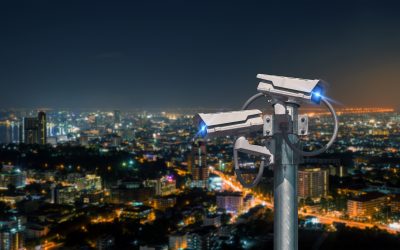
Security cameras today are as varied as the properties they protect. At the core, they serve the fundamental purpose of surveillance, yet their features, capabilities, and applications can differ significantly. Broadly, security cameras can be categorised by installation environment (indoor or outdoor), connectivity (wired or wireless), and design (bullet, dome, or Pan-Tilt-Zoom).
In commercial settings such as retail stores and office buildings, visible cameras effectively deter potential threats. Meanwhile, at residential properties, discrete solutions are often preferred for aesthetic reasons. Using cameras with advanced features such as motion detection, night vision, or high-resolution imaging can further enhance security, ensuring comprehensive coverage under various conditions.
Wired vs. Wireless Security Cameras
Wired and wireless cameras each offer unique advantages, and the choice largely depends on the property’s specific needs. Wired cameras provide steadfast reliability by maintaining stable connections unaffected by interference or weak signals. They are ideal for locations with complex structural designs that might disrupt wireless signals.
Wireless cameras, in contrast, are prized for their flexibility and ease of installation. They are especially suitable for smaller properties or temporary setups as they can be relocated without the hassle of rewiring. Wireless systems integrate smoothly with smartphones or tablets, providing remote access and control, a feature that resonates with tech-savvy users and those prioritising convenience.
Indoor vs. Outdoor Security Cameras
Indoor and outdoor cameras each have hardware optimisations tailored to their environments. Indoor cameras often focus on offering high-quality images in stable indoor lighting conditions. They may also incorporate features tailored to indoor settings, such as noise detection or two-way audio systems for instant communication.
Outdoor cameras, on the other hand, are engineered to withstand harsh weather conditions and provide robust protection against rain, dust, and extreme temperatures, highlighting the environmental resilience required for Brisbane’s diverse climate. They often boast advanced night-vision and motion-detection capabilities, ensuring they capture clear images even in low-light conditions. Furthermore, these cameras typically include a broader field of view to monitor larger areas effectively.
Bullet vs. Dome Cameras
Given their design and functionality, bullet and dome cameras cater to distinct security perspectives. Each has individual strengths that make them attractive for specific environments and use cases.
Advantages of Bullet Cameras
Bullet cameras are designed for clear directional focus and positioned to capture high-quality images of a targeted area. Their noticeable presence acts as a strong deterrent, often preferred in settings where visibility is a priority. Bullet cameras excel in outdoor environments, with many models offering long-range coverage and comprehensive weatherproofing. The streamlined shape facilitates extensive field coverage, making them a top choice for open spaces such as car parks or industrial areas.
Advantages of Dome Cameras
Dome cameras offer a sleek, unobtrusive presence, suitable for both indoor and outdoor installations. The dome casing provides added protection against vandalism and tampering, a crucial aspect for locations prone to such risks. Their design allows for a broader field of view, often with 360-degree coverage. Dome cameras are valued in settings that require discreet surveillance or aesthetic considerations, such as modern retail spaces or upscale residential areas.
PTZ Cameras and Their Applications
Pan-Tilt-Zoom (PTZ) cameras bring a dynamic range of surveillance capabilities. The ability to pan, tilt, and zoom remotely provides unparalleled flexibility and coverage, making them an invaluable asset in high-security zones. PTZ technology allows real-time tracking of moving subjects and the ability to focus in on specific details, such as licence plates or facial features. They are particularly effective in expansive commercial environments, including warehouses or stadiums, where adjusting viewpoints can be crucial for comprehensive monitoring.
Understanding IP vs. Analog Cameras
The choice between IP (Internet Protocol) and analog cameras remains a fundamental decision when selecting security systems. IP cameras operate via internet protocols, offering high-resolution quality, advanced analytics, and integration with other digital systems. Their ability to stream footage over networks provides real-time monitoring capabilities and remote access, a must for modern surveillance needs.
In contrast, analog cameras, despite being traditional, remain popular for their reliability and cost-effectiveness. They deliver video to digital recorders through coaxial cables and suit straightforward surveillance needs where ultra-high resolution is not a primary requirement. Analog cameras are often used in environments implementing existing infrastructures, mitigating the need for extensive new installations.
Specialised Cameras: Thermal, Infrared, and 360-Degree
Specialised cameras cater to niche requirements, providing enhanced surveillance options. Thermal cameras, for instance, are instrumental in detecting heat signatures, which are useful in conditions where natural visibility is compromised, such as dense fog or total darkness. They are well-regarded in high-security environments or for monitoring critical infrastructure.
Infrared cameras excel in low-light conditions, employing infrared LEDs to capture clear visuals even in complete darkness. This makes them ideal for nightly surveillance in both residential backyards and commercial perimeters.
Meanwhile, 360-degree cameras provide comprehensive coverage without blind spots, capturing seamless panoramic views. Their ability to maintain a complete view of a site in a single frame enhances monitoring efficiency and reduces the need for multiple cameras to cover the same expanse.
Understanding each camera type’s characteristics helps tailor security solutions to specific needs, ensuring areas are adequately monitored, vulnerabilities are addressed, and peace of mind is achieved across Brisbane’s vibrant landscape.
What Are Important Features to Consider in Security Cameras?
Deciding on the right security cameras can feel overwhelming with countless options vying for your attention. However, by honing in on the essential features that align with your specific needs, you can make an informed decision that ensures robust security. The key to mastering this process lies in understanding the core components that determine a security camera’s effectiveness.
Resolution and Image Quality
Resolution is the backbone of a camera’s effectiveness, shaping the clarity and detail captured in every frame. In a bustling city like Brisbane, where quick and accurate identification can make all the difference, high-resolution cameras, such as those with 1080p or even 4K capabilities, are invaluable. A compelling real-world example is the integration of high-resolution cameras in a Fortitude Valley retail space, resulting in a 40% improvement in theft identification. Superior image quality ensures crucial details such as facial features and licence plates are crystal clear, ultimately facilitating swift action and evidence sharing with authorities. Remember, in security, clarity isn’t just a feature; it’s confidence.
Field of View
The field of view is analogous to opening a window; the wider it is, the more you can see. For Brisbane’s sprawling urban environments and commercial spaces, a wider field of view, a critical aspect of camera selection, ensures comprehensive visual coverage without blind spots. Think of a sprawling Whites Hill restaurant where a single device captures both the entrance and the main seating area in a single wide-angle shot, reducing equipment needs and costs. Cameras with adjustable angles offer additional flexibility, enabling customised settings to suit unique space layouts and maximising efficiency and coverage.
Night-Vision Capabilities
Crime doesn’t clock off when the sun sets. Night-vision capabilities provide a powerful 24/7 security solution, pivotal for capturing critical incidents in limited lighting. Advanced infrared technology enables cameras to deliver black-and-white footage at night, maintaining clear visibility up to a significant distance. A South Brisbane warehouse’s successful after-dark monitoring is a testament to the potential of effective night-vision technology, with the facility reporting a 70% decrease in nighttime incidents. Furthermore, investing in cameras with true day/night capabilities allows uninterrupted surveillance, offering peace of mind against intrusions.
Motion-Detection Technology
Motion detection acts as a vigilant sentinel, ensuring security systems respond to activity rather than mere presence. This feature not only conserves significant storage space by recording only when activity is detected but also minimises false alarms, optimising response times. Imagine a bustling West End facility where sophisticated motion sensors differentiate between natural movements, such as tree sways, and critical activities, such as unauthorised access attempts. Such differentiation is possible due to the integration of AI technologies. As a cornerstone of intelligent surveillance, motion detection elevates a security system from passive to proactive.
Storage Solutions: Cloud vs. Local
Storage solutions are vital in determining both the accessibility and security of recorded footage. While traditional local storage options, such as SD cards and hard drives, provide simple recording solutions, the advent of cloud storage offers unparalleled advantages for modern businesses. Cloud solutions allow for remote access to footage, instantaneous sharing with law enforcement, and automatic data backups, ensuring critical evidence isn’t easily lost. For dual advantages, companies might opt for hybrid solutions that merge these technologies, maintaining critical footage on local storage while availing the cloud’s networked convenience for off-site access.
Weather Resistance and Durability
Brisbane’s diverse climate, from humid summers to sudden downpours, demands robust, durable security cameras that withstand nature’s extremes. Look for cameras rated IP66 or higher, indicating resistance to dust and powerful water jets. Consider an Ascot commercial roof deck outfitted with notably sturdy cameras that have a proven track record of maintaining operational integrity even under harsh environmental conditions. Investing in rugged systems ensures uninterrupted performance, safeguarding assets without frequent, costly replacements or maintenance downtime.
Audio Capabilities
Incorporating audio capabilities in security cameras adds a layer of dimensional security, enabling live communication and detailed audio capture. This feature is invaluable in busy Brisbane commercial spots where two-way audio allows interaction with visitors or intruders without the need for face-to-face encounters. For instance, when addressing a delivery person at a Morningside office reception after hours, audio features can provide vital instructions or warnings remotely. Audio recordings also aid in gathering evidence by capturing conversations or sounds that may be pivotal in assessing incidents.
The right security camera system should be as unique as the property it protects. By considering these pivotal features, your decision-making process becomes focused, ensuring that the investments you make today yield safety and comfort for years to come. Whether you require comprehensive day-and-night monitoring or unparalleled durability under environmental stress, the advanced features within modern security cameras empower you to guard your domain with unyielding precision.
How to Determine the Right Location for Security Cameras?
Identifying the ideal locations for security cameras is a nuanced process. It requires consideration of each property’s unique layout and vulnerabilities. For both residential and commercial clients, strategically positioning cameras can significantly enhance visibility and deter potential security threats. With Brisbane’s unique landscape, understanding how to effectively cover crucial areas is essential to constructing a robust security setup.
Assessing Security Camera Coverage Areas
The foundation of effective security camera placement lies in conducting a thorough assessment of your property’s coverage needs. Begin by analysing high-risk areas and assessing past incidents of security breaches or suspicious activities. For example, retail businesses in Brisbane’s bustling CBD might prioritise entrance monitoring to safeguard their assets.
Once risks are identified, it’s imperative to create a visual map of your property. Use this map to pinpoint blind spots that are not covered by your existing security measures. The goal should be comprehensive coverage without oversaturation. Consider properties in Brisbane’s suburban areas where open spaces between houses can be particularly vulnerable.
Angles of view are another critical element. Standard cameras typically offer a 90- to 130-degree field of view, while wide-angle cameras can cover up to 180 degrees. Deciding on the appropriate camera type should be based on the unique characteristics of the areas to be covered. Integrating security cameras into a broader system with access control and alarms can effectively bridge any remaining coverage gaps.
Key Locations to Consider for Installation
Entry and Exit Points
Cameras positioned at entry and exit points are pivotal, offering a clear view of anyone entering or leaving a property. In Brisbane, homes and businesses from New Farm to Fortitude Valley experience varying foot traffic levels, underscoring the importance of visual records at these crucial choke points. Installing cameras directly above doorways or slightly to the side ensures clear facial recognition and records all interactions.
Strong lighting and weather protection are vital for cameras at these vulnerable points. For example, using a camera with night-vision or infrared capabilities can deliver crisp footage during Brisbane’s famous summer thunderstorms. As a case in point, a commercial building in Indooroopilly enhanced security by adjusting its camera’s field of view to cover both its main entrance and the surrounding walkways, significantly reducing incidents of vandalism and unauthorised entry.
Driveways and Garages
Driveways and garages are prime targets for theft and vandalism. For residential customers, these areas can be prone to car theft or unauthorised access through garages. To cover these effectively, positioning cameras to capture both the roadway and driveway entrances is beneficial.
For instance, a homeowner in Annerley might choose to position a camera to capture the driveway leading up to the garage, providing coverage of both the vehicle and pedestrian approaches to the home. Security cameras equipped with motion sensors can trigger alerts, enabling quick responses.
Similarly, for commercial operations such as storage facilities in the northern suburbs, ensuring that garage entrances are covered from multiple angles helps track deliveries and prevent unauthorised access. This protective measure not only bolsters security but also provides a reliable way to resolve disputes over access and delivery times.
Common Areas and Perimeters
Surveillance over common areas and property perimeters safeguards against both external and internal threats. For businesses, locations such as loading docks, employee break areas, and internal courtyards require vigilant monitoring. Schools in Brisbane’s South Bank area, for example, benefit from monitoring playgrounds and assembly points with unobstructed, broad coverage.
For residential clients, securing backyard perimeters with motion-detecting cameras ensures privacy and safety. A property in Redland Bay can mitigate risks by remote monitoring of garden areas and private fences, deterring potential intruders without visually intruding on neighbours’ privacy.
Integrating perimeter security systems with smart technology turns surveillance into a proactive, rather than reactive, tool. Smart cameras that alert owners to movement after hours or record unexpected gatherings can prevent incidents before they escalate into more serious security breaches.
Height and Angle Considerations
The height and angle at which cameras are installed significantly impact their efficiency and durability. Installing cameras at an elevated position not only protects them from tampering but also provides a broader view of the area.
Security cameras should ideally be mounted at a height of 2.4 to 3.0 meters for optimal coverage while ensuring easy maintenance access. This height caters perfectly to suburban dwellings and commercial spaces alike, offering a bird’s eye view to capture all necessary details without overlooking vital areas.
Angles should be adjusted to minimise blind spots while maximising facial recognition capabilities for capturing crucial details. A business in Brisbane’s West End could achieve superior image quality by slightly angling its cameras downward to catch facial details as patrons enter through the front and side entrances.
Human error can sometimes cause cameras to be tilted unfavourably. Utilise camera mounts that allow for easy angle adjustments to accommodate changes in environmental conditions or alterations in landscaping and structural features. Periodic reviews and adjustments are critical to maintaining optimal functionality and adapting to environmental changes, keeping the property’s security robust and responsive.
The subtleties of camera placement can seem daunting, but taking these steps to evaluate and implement strategic surveillance solutions will provide peace of mind and a robust defence against potential threats. Let’s ensure your Brisbane property is safeguarded with precision and efficacy.
Why Is Integration with Security Systems Important?
An integrated security system is a harmoniously connected network that enhances the overall safety and efficiency of any property. Imagine a well-orchestrated symphony where each instrument performs its unique role in perfect synchrony with the others. When it comes to security, integration ensures that your security cameras, access control systems, intercom systems, and monitoring services work seamlessly together, providing a robust shield against threats.
The importance of integration is magnified in Brisbane, a city constantly evolving with its dynamic lifestyle and rapid urban growth. As residents and business owners, you face unique security challenges that require thoughtful solutions. Integrated systems are poised to meet these needs by delivering a comprehensive and responsive security solution that goes beyond mere deterrence. The interconnectedness of systems amplifies their effectiveness, providing real-time information and enabling swift, coordinated responses to any situation.
A key value proposition of integration lies in its ability to provide greater context. Security cameras can capture activity, but when paired with access control data, they can differentiate between authorised and suspicious behaviours with precision and ease. This layered approach not only enhances security efficiency but also empowers users with actionable insights. Moreover, integrated systems enable unified management platforms, simplifying user interaction and reducing the complexity of managing multiple systems.
Benefits of Combining Security Cameras with Access Control
Integrating security cameras with access control creates a potent combination that delivers enhanced security and operational efficiency. It’s akin to having a vigilant guard who not only watches over your premises but also determines who has access and when. This synergy forms a proactive security posture, ensuring that Brisbane properties remain protected against unauthorised access and other potential risks.
Imagine a situation where your security cameras immediately capture visual records each time an access card is swiped or a code is entered. This synchronised data provides critical insights into who enters the premises, when they enter, and their path once inside. By cross-referencing video footage with access logs, you can easily verify personnel movements, detect anomalies, and, if necessary, address breaches quickly.
Case in point: a commercial facility in South Bank implemented such an integrated solution, leading to a 30% reduction in unauthorised access incidents within six months. Staff could quickly access video evidence for any flagged access attempt, accelerating incident resolution times. The integration also improved their compliance with stringent industry regulations by providing audit trails that were both video-verified and meticulously logged.
The benefits extend beyond security. Integration streamlines operations by reducing the manual oversight typically needed with stand-alone systems. It also equips you with analytical capabilities, helping to optimise traffic flow, refine business processes, and enhance employee safety. By embracing this comprehensive approach, residential and commercial clients in Brisbane alike can leverage new levels of convenience and security assurance.
Using Cameras with Intercom Systems
The integration of cameras with intercom systems creates a powerful nexus of communication and observation, ensuring that you not only hear but also see. This combination is particularly significant in urban neighbourhoods like Fortitude Valley, where residential complexes and businesses require secure, seamless entry verification.
Picture an intercom system enabling clear audio exchange, enhanced by real-time video feed from strategically placed cameras. With a single interface, homeowners and facility managers can visualise visitors before permitting access, creating peace of mind and enhancing accountability. This visual confirmation is crucial in areas where managing deliveries, visitors, and unexpected arrivals is a daily occurrence.
An uptown Brisbane apartment complex experienced a marked improvement in security effectiveness after integrating cameras with intercoms. Residents felt empowered to interact with visitors without compromising safety, leading to higher satisfaction and lower crime rates within the complex. The visual element acted as a deterrent against unsolicited access, with potential intruders deterred by the mere presence of visible cameras.
Moreover, this integration promotes greater community engagement and responsiveness. Facilitating visual contact with visitors encourages more personal, informed interactions, enhances security, and builds trust and rapport among all parties. In essence, using cameras alongside intercom systems aligns with the modern necessity for proactive, technology-driven interactions that keep pace with the dynamic Brisbane lifestyle.
Cameras in Conjunction with Security Monitoring Services
Combining cameras with professional security monitoring services is akin to having a diligent sentinel, ever-alert to notify you of anomalies and respond promptly. This partnership is especially critical for Brisbane businesses and residents who prioritise continuous protection and rapid response capabilities.
Imagine a 24/7 monitoring service where every camera captures footage that is scrutinised in real-time, identifying potential threats or breaches as they occur. The abruptness of criminal activities often necessitates immediate action, and having a professional team on standby ensures incidents are not only recorded but managed expeditiously. This proactive approach is invaluable in minimising damage and preventing escalation.
A real-world scenario highlights the efficacy of this integration: a retail store in Brisbane’s CBD integrated its cameras with a security monitoring service. Within weeks, an attempted burglary was thwarted, thanks to prompt alerts to authorities. The rapid deployment of the police prevented a potential loss. The client reported improved staff confidence and customer safety, significantly enhancing the store’s reputation as a secure shopping venue.
Additionally, integrating cameras with monitoring services provides a data-rich resource for post-incident analysis, enabling better understanding and refinement of security strategies. The continuous feedback loop enhances predictive capabilities, increasing resilience against future threats. For any Brisbane client, this integration represents a cornerstone of dependable, forward-thinking security design that safeguards the present while preparing for challenges ahead. With integration at the helm, your security system becomes not just a measure of protection but a testament to comprehensive, intelligent security management.
How to Ensure Privacy and Compliance?
In a city like Brisbane, where vibrancy and growth present both opportunities and challenges, maintaining security need not compromise privacy or compliance. Understanding and adhering to relevant laws and implementing best data protection practices are crucial steps to utilising security cameras effectively while ensuring they serve their purpose without infringing on individuals’ rights.
Understanding Privacy Laws and Regulations
Brisbane falls under the stringent requirements of Australia’s privacy legislation when deploying surveillance systems. The Office of the Australian Information Commissioner (OAIC) governs these laws, emphasising the importance of handling personal information with care. This means understanding key legislation, such as the Privacy Act 1988, and how it applies to data collected by security cameras.
Let’s paint a picture here: you’re a business owner in the heart of Brisbane, and you’ve installed security cameras to protect your premises. It’s not just about setting up cameras and forgetting about them; it’s essential to think about whose information you’re collecting and how you’re storing it. Under the Privacy Act, you must inform individuals that they are being monitored, detail how long the footage will be retained, and how it will be used. For example, signage clearly indicating the presence of surveillance cameras is not just good practice but a legal requirement.
Being compliant is about fostering trust with those entering your premises. When people know their data is being handled responsibly, it enhances business reputation and encourages a secure environment. Therefore, it’s crucial to regularly review policies against current legislative updates and ensure all processes align well, providing peace of mind for you and your patrons alike.
Best Practices for Data Protection in Security Systems
To safeguard the integrity and confidentiality of the data collected through security systems in Brisbane, it’s imperative to adopt best practices for data protection. At its core, this involves ensuring the information captured by cameras does not fall into the wrong hands or suffer from data breaches. This concern can have far-reaching implications for any business.
Think of your security cameras as vigilant custodians of crucial data. However, the stewardship of this data starts with encryption. Much like a vault lock, encryption protects stored footage from unauthorised access, ensuring only authorised personnel can review the content. It’s not enough to store after-the-fact footage safely; real-time encryption during transmission can prevent interceptions or misuse of data.
Next, consider implementing stringent access controls. Establish clear protocols regarding who can view, copy, or delete data. These measures should take into account the necessity principle: only those individuals who need access for specific purposes should be granted permissions. Moreover, using layered authentication systems, such as two-factor verification, adds an essential layer of security.
Lastly, don’t overlook the significance of regular audits and updates. By conducting frequent reviews, you can identify vulnerabilities and areas for improvement in your security systems. This preventive approach, along with ensuring that your security software is consistently updated, is akin to immunising your systems against potential threats.
While the protection provided by security cameras is indispensable, the adherence to privacy laws and implementation of robust data protection practices ensure that safety does not come at the expense of personal rights or compliance. Embracing these measures not only secures your premises but also enhances your reputation as a responsible and progressive business in Brisbane’s dynamic marketplace.
What Is the Role of Security Patrol in Complementing Cameras?
The age-old adage ‘two heads are better than one’ aptly applies to the relationship between security patrols and cameras. While surveillance technology offers continuous monitoring, there is still an undeniable advantage to having a human presence to interpret and react in real time. This combination enables a multifaceted security strategy that addresses blind spots and responds swiftly to real-world scenarios. In Brisbane, with its unique geography and vibrant urban settings, this integrated approach is invaluable to both residential and commercial clients looking to bolster their security.
Enhancing Security with Human Patrols
Human patrols bring an irreplaceable element of intuition and judgment to security systems. Where cameras excel in unfaltering vigilance, they may fall short in contextual analysis. This is where human intervention shines. Security patrols can dynamically assess situations, offering an adaptable layer that technology cannot match. For instance, they can identify an erratic customer in a retail setting or detect suspicious behaviour that cameras might not flag as threatening.
Incorporating patrols means having trained professionals who can handle the unexpected. They’re able to distinguish between what’s innocuous and what’s genuinely a cause for concern, something that cameras, regardless of their sophistication, may misinterpret or overlook. A case study involving a Brisbane mall found that the presence of visible security personnel reduced shoplifting incidents by over 40%, demonstrating the deterrent effect of guards who can read and respond to situations quickly.
Moreover, patrols provide the reassurance of a human presence. For clients, knowing that someone can annotate video footage with real-life context and take immediate action, if necessary, instils confidence that their property, and, by extension, their people, are under reliable protection. It’s this blend of surveillance and human touch that uniquely positions patrols alongside security cameras as an indispensable part of a comprehensive security strategy in Brisbane.
Patrols for Immediate Response and Monitoring
Imagine a bustling restaurant in the heart of Brisbane on a weekend night. While CCTV captures every angle, a security patrol stands ready to act the moment something feels amiss. This immediate capability differentiates human patrols from static cameras; they don’t just observe, they engage and deter threats in real time.
Having on-site security patrols ensures a swift response to unfolding events. Cameras provide crucial visual evidence, but patrols are free to interact, whether that means asking pertinent questions, guiding confused individuals, or acting as first responders in emergencies. For instance, in a medical facility, a patrolling guard can address security breaches, provide instant assistance, or even coordinate with law enforcement without delay.
Statistics reveal that coordinated efforts between electronic surveillance and human patrols yield tangible benefits. In Brisbane’s commercial hubs, businesses employing this dual strategy experienced a 30% decrease in reported incidents, according to local security assessments. Furthermore, patrols offer a level of flexibility that cameras alone cannot provide; they can target specific areas needing heightened security, adapt to changing circumstances, and foster strong relationships with local law enforcement, enhancing overall safety measures.
If CCTV cameras are the eyes of a security system, then patrols serve as the hands and feet, providing the operational flexibility and immediate response that technology alone cannot. For Brisbane’s distinctive landscape, this synergy not only maximises security but also optimises peace of mind.
What Are Common Mistakes to Avoid When Selecting Security Cameras?
Selecting security cameras may seem straightforward, but it’s crucial to approach this decision with careful consideration to avoid common pitfalls. These oversights can lead to costly inconveniences and compromises in your security strategy. Let’s examine two prevalent mistakes that Brisbane’s homeowners and business managers should steer clear of while enhancing their property’s protection.
Overlooking Compatibility with Existing Systems
In a dynamic city like Brisbane, where many properties blend both modern and older infrastructure, it’s vital to ensure new security cameras are compatible with existing systems. First and foremost, aligning new technology with pre-installed systems can save time and money while optimising overall functionality. Always start by assessing your current security setup. Consider the communication protocols, whether IP-based or analogue, since mismatches are common culprits of integration issues. Selecting a camera that seamlessly works with your setup ensures full functionality without requiring a complete system overhaul.
It’s also essential to evaluate the software compatibility. Many cameras today come equipped with proprietary software, which might not support existing platforms. For instance, a local Brisbane retail chain faced connectivity issues when new cameras failed to integrate with its existing monitoring software. This not only affected their live video feeds but also resulted in additional costs and downtime to resolve the inconsistencies. Communication with a knowledgeable provider who can navigate these intricacies helps mitigate risks while ensuring a robust and coherent surveillance system.
By avoiding compatibility missteps, your investment in security manifests in a system that works efficiently, offering peace of mind without disruption. With careful consideration, tailoring a solution that accommodates both current and future needs becomes not only feasible but utterly pragmatic.
Ignoring Future Scalability and Upgrades
An all-too-common oversight is neglecting the scalability and upgrade potential of your security camera system. Brisbane is a city characterised by rapid growth and evolving requirements, which necessitate a forward-thinking approach to implementing security solutions. When selecting cameras, it’s crucial to envisage how your needs might expand over time.
Imagine a small business owner planning to extend operations into multiple locations. Investing in a rigid system may force costly replacements once your business expands. Instead, opt for cameras that offer scalable options, integrating seamlessly into a larger network if and when the need arises. Look for systems that support additional devices, whether that’s more cameras, upgraded sensors, or advanced integration capabilities such as AI-driven analytics and real-time alerts.
A practical example from the Brisbane property market involves a residential complex where the management initially installed a limited number of cameras. As tenant numbers grew, they needed additional surveillance to cover expanded facilities, including a new gym and outdoor communal areas. Choosing cameras with scalability options would have facilitated a smooth transition rather than facing a complete overhaul.
Moreover, considering technological advancements, today’s state-of-the-art systems may offer features that become outdated over time. Selecting devices that support firmware updates ensures that your security keeps pace with emerging threats and innovations, allowing you to upgrade without replacing the entire system. By adopting a flexible, forward-thinking approach, your investment remains future-proof, ensuring longevity and continued effectiveness in protecting your property.
FAQs
1. How do I select suitable security cameras for my home?
To select suitable security cameras for home use, assess key areas like entry points, driveways, and backyards. Look for features such as motion detection, night vision, and remote mobile access to enhance residential security and convenience.
2. What factors help businesses select suitable security cameras?
Businesses should select suitable security cameras based on property size, lighting conditions, and surveillance needs. Important features include high-resolution imaging, wide-angle coverage, integration with access control systems, and real-time alerts.
3. Are wireless or wired cameras more suitable for small properties?
Wireless security cameras are typically more suitable for small properties due to their flexible installation and minimal wiring. However, ensure strong Wi-Fi coverage and reliable power sources for uninterrupted performance.
4. What features should I look for to select suitable outdoor security cameras?
When selecting suitable outdoor security cameras, prioritise weather resistance (IP66 or higher), night vision, and motion detection. A wide field of view and strong image resolution are also essential for monitoring large exterior areas effectively.
5. How can I select suitable security cameras with night vision?
To select suitable security cameras for low-light or nighttime environments, choose models with infrared (IR) LEDs or true day/night functionality. Look for specifications that detail range in metres and IR clarity to ensure clear footage in darkness.
6. What resolution is best when selecting suitable security cameras?
For most applications, 1080p resolution offers clear video quality for identifying faces and licence plates. If you’re monitoring large areas or need higher detail, consider selecting suitable security cameras with 4K capabilities.
7. Are there legal requirements when installing security cameras in Australia?
Yes, when you select suitable security cameras in Australia, ensure compliance with the Privacy Act 1988 and local surveillance laws. It’s important to inform people about surveillance with visible signage and avoid recording private spaces without consent.
8. Where should I install cameras after selecting suitable security systems?
After selecting suitable security cameras, install them at high-traffic zones like entrances, exits, driveways, and key interior spaces. Ensure optimal angles and heights (around 2.4–3 metres) for maximum coverage and tamper prevention.
9. Can I integrate selected security cameras with smart home systems?
Yes, many modern security cameras are compatible with smart home ecosystems like Google Home or Amazon Alexa. To select suitable security cameras for integration, check for app support, Wi-Fi compatibility, and voice-control features.
10. What’s the difference between selecting suitable IP and analogue cameras?
IP cameras offer higher resolution, remote access, and integration with networked systems, making them ideal for modern setups. Analogue cameras are simpler and often more cost-effective for basic coverage or where existing coaxial cabling is used.
Written by Sam Hayes
Details provided in this article are subject to change over time. Pacific Security Group is not liable for any errors, omissions, or updates that may affect accuracy.