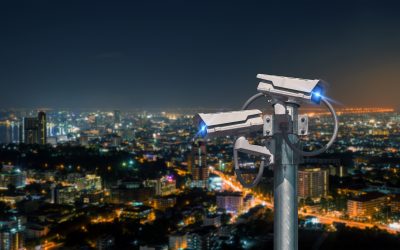
Automatic Number Plate Recognition (ANPR) cameras are revolutionising the way we approach security and traffic management. These advanced systems offer a range of benefits that extend beyond simple vehicle identification. By leveraging sophisticated technology, ANPR cameras enhance security, streamline traffic and parking management, support law enforcement, and contribute to cost efficiency and environmental sustainability. In this article, we will explore the comprehensive benefits of using ANPR cameras, providing practical insights into their real-world applications and addressing potential challenges related to privacy and data security.
What is ANPR?
Automatic Number Plate Recognition (ANPR) is a technology designed to read and interpret vehicle registration plates. ANPR systems use high-speed cameras and advanced image processing software to capture and analyse number plate data in real-time. This information can then be cross-referenced with databases for various purposes, including vehicle tracking, crime prevention, and traffic management.
How ANPR Technology Works
ANPR technology operates through a series of steps:
- Image Capture: High-resolution cameras capture images of vehicle number plates as they pass by.
- Image Processing: Advanced algorithms analyse the captured images to identify and extract the number plate characters.
- Data Matching: The extracted data is then compared against a pre-existing database for various checks, such as identifying stolen vehicles or unpaid fines.
- Real-time Alerts: If a match is found or if certain criteria are met, the system generates real-time alerts for immediate action.
Historical Development of ANPR
The development of ANPR technology dates back to the late 1970s and early 1980s when it was first conceptualised in the UK. Initial systems were rudimentary and faced numerous challenges, particularly in terms of image processing and accuracy. However, with advancements in digital technology and computing power, ANPR systems have become highly reliable and efficient. Modern ANPR cameras boast high accuracy rates and are capable of functioning effectively in various environmental conditions, making them indispensable tools in today’s security and traffic management landscapes.
Key Benefits of ANPR Cameras
Enhanced Security
One of the most significant benefits of using ANPR cameras is the enhancement of security across various settings. By automatically capturing and recognising vehicle number plates, ANPR systems can effectively monitor and control access to secure areas. This technology deters criminal activities by providing real-time alerts when suspicious or unauthorised vehicles are detected. Businesses, residential communities, and public spaces can benefit from improved surveillance and a heightened sense of safety. The presence of ANPR cameras also acts as a strong deterrent against theft, vandalism, and other criminal acts.
Improved Traffic Management
ANPR technology plays a crucial role in managing traffic flow and reducing congestion in urban areas. By monitoring vehicle movement in real-time, ANPR systems provide valuable data that can be used to optimise traffic signals and manage traffic patterns more efficiently. This leads to smoother traffic flow, reduced travel times, and fewer traffic jams. Additionally, ANPR cameras can identify vehicles involved in traffic violations, such as speeding or running red lights, enabling authorities to enforce traffic laws more effectively.
Efficient Parking Management
Parking management is another area where ANPR cameras excel. These systems can automate the process of parking enforcement by detecting vehicles that overstay their allotted time or park in restricted areas. This reduces the need for manual checks and increases the efficiency of parking operations. Businesses and municipalities can benefit from streamlined parking management, leading to better utilisation of parking spaces and reduced instances of unauthorised parking. ANPR technology also simplifies the process of accessing and exiting parking facilities, enhancing the overall customer experience.
Automated Toll Collection
ANPR cameras are integral to modern toll collection systems, providing a seamless and efficient way to manage toll roads. By automatically recognising number plates, ANPR systems eliminate the need for physical toll booths and manual payment collection. This not only speeds up the toll collection process but also reduces operational costs. Motorists benefit from quicker and more convenient travel, while toll authorities enjoy improved revenue collection and reduced traffic congestion at toll points.
Law Enforcement Applications
Law enforcement agencies rely on ANPR technology to enhance their capabilities in tracking and identifying vehicles involved in criminal activities or traffic violations. ANPR cameras can quickly and accurately read number plates, enabling authorities to locate stolen vehicles, apprehend suspects, and gather critical evidence for investigations. The technology supports proactive policing efforts by providing real-time data and alerts, which can be crucial in preventing crimes and ensuring public safety.
Cost Efficiency
Implementing ANPR systems can lead to significant cost savings for businesses and government agencies. By automating tasks that would otherwise require extensive manual labour, such as traffic monitoring and parking enforcement, ANPR cameras reduce operational costs. The scalability of ANPR technology allows for easy expansion as needs grow, making it a cost-effective solution for long-term use. Additionally, the increased efficiency and accuracy provided by ANPR systems result in better resource utilisation and lower overall expenses.
How ANPR Improves Security
Real-time Vehicle Tracking
ANPR cameras offer the capability of real-time vehicle tracking, which significantly enhances security. By continuously monitoring and recording vehicle movements, these systems provide up-to-the-minute data on the whereabouts of specific vehicles. This is particularly beneficial in high-security areas, such as airports, government buildings, and private estates, where it is essential to keep a close watch on vehicular activity. Real-time tracking enables security personnel to quickly respond to any suspicious behaviour or potential threats, thereby improving the overall security posture of the premises.
Crime Prevention and Deterrence
The presence of ANPR cameras acts as a powerful deterrent to criminal activities. Knowing that their vehicles are being monitored and that their number plates can be easily traced, potential criminals are less likely to engage in unlawful activities. In addition to deterrence, ANPR systems play a crucial role in crime prevention. By rapidly identifying stolen vehicles or those associated with criminal activities, ANPR cameras help law enforcement agencies to intervene promptly and prevent crimes from occurring. The ability to quickly share vehicle information across different security networks further enhances the effectiveness of ANPR in preventing and solving crimes.
Integration with Other Security Systems
ANPR technology can be seamlessly integrated with other security systems to create a comprehensive security solution. When combined with CCTV cameras, access control systems, and alarm systems, ANPR provides a multi-layered security approach that enhances situational awareness and response capabilities. For example, if an ANPR system detects a vehicle of interest, it can trigger CCTV cameras to focus on the vehicle and alert security personnel or automatically deny access to a secured area. This integration ensures a coordinated and efficient security response, maximising the effectiveness of the overall security infrastructure.
ANPR in Traffic Management
Reducing Traffic Congestion
ANPR cameras are instrumental in reducing traffic congestion in urban areas. By providing real-time data on vehicle movements, these systems allow traffic management authorities to make informed decisions about traffic flow. ANPR technology helps in identifying congestion hotspots and can trigger dynamic traffic control measures, such as adjusting traffic signal timings or redirecting traffic to less congested routes. This proactive approach not only alleviates traffic jams but also improves overall road efficiency and reduces travel times for commuters.
Monitoring Traffic Flow
Effective traffic flow monitoring is essential for maintaining smooth and efficient transportation networks. ANPR cameras continuously capture and analyse data on vehicle movements, providing a comprehensive overview of traffic patterns. This information helps authorities to monitor and manage traffic in real-time, ensuring that vehicles move smoothly through busy intersections and highways. The ability to track vehicle speeds and identify potential bottlenecks allows for timely interventions, such as deploying traffic enforcement officers or adjusting traffic signals, to maintain optimal traffic flow.
Journey Time Analysis
Journey time analysis is another significant benefit of ANPR technology in traffic management. By tracking the time it takes for vehicles to travel between various points, ANPR systems provide valuable insights into travel times and road performance. This data can be used to evaluate the effectiveness of traffic management strategies and to identify areas that require improvements. For example, if certain routes consistently show longer journey times, authorities can investigate and implement measures to enhance traffic flow on those routes. Additionally, journey time analysis helps in planning and implementing infrastructure projects, such as new road constructions or expansions, by providing evidence-based assessments of current traffic conditions and future needs.
Parking Management Solutions
Automated Parking Enforcement
ANPR cameras significantly enhance automated parking enforcement, making it more efficient and effective. These systems can automatically detect vehicles that overstay their allocated parking time or park in restricted areas. By capturing the number plates of offending vehicles, ANPR technology eliminates the need for manual checks and reduces the workload on parking enforcement officers. This leads to quicker resolution of parking violations and ensures that parking regulations are consistently enforced, thereby improving the overall management of parking facilities.
Managing Parking Spaces
Efficient management of parking spaces is crucial for businesses, municipalities, and residential areas. ANPR systems provide real-time data on parking occupancy, helping managers to monitor and optimise the use of available spaces. By tracking which spaces are occupied and for how long, ANPR technology allows for better allocation of parking resources and ensures that spaces are used effectively. This real-time information can be integrated with parking guidance systems to direct drivers to available spaces, reducing the time spent searching for parking and enhancing the overall user experience.
Reducing Unauthorised Parking
Unauthorised parking is a common challenge that can disrupt the smooth operation of parking facilities and lead to dissatisfaction among legitimate users. ANPR cameras help in reducing unauthorised parking by automatically identifying vehicles that do not have the necessary permissions to park in certain areas. By cross-referencing vehicle data with authorised lists, ANPR systems can quickly flag unauthorised vehicles and alert enforcement personnel. This not only ensures that parking spaces are reserved for legitimate users but also acts as a deterrent against unauthorised parking, thereby maintaining order and efficiency in parking facilities.
ANPR in Law Enforcement
Identifying Stolen Vehicles
ANPR technology is a powerful tool for law enforcement agencies in identifying stolen vehicles. By scanning vehicle number plates and cross-referencing them with databases of stolen cars, ANPR systems can instantly alert authorities when a match is found. This real-time identification enables law enforcement to act quickly, increasing the chances of recovering stolen vehicles and apprehending suspects. The efficiency and accuracy of ANPR technology make it an invaluable asset in combating vehicle theft and enhancing public safety.
Monitoring Traffic Violations
Monitoring traffic violations is another critical application of ANPR technology in law enforcement. ANPR cameras can detect and record instances of speeding, running red lights, and other traffic infractions. The captured data provides irrefutable evidence of violations, which can be used to issue fines or take further legal action. This automated approach not only improves compliance with traffic laws but also frees up law enforcement personnel to focus on other critical tasks. By ensuring that traffic rules are consistently enforced, ANPR contributes to safer roads and reduces the incidence of traffic-related accidents.
Supporting Investigations
ANPR technology plays a crucial role in supporting criminal investigations. By providing detailed records of vehicle movements, ANPR systems help law enforcement agencies track suspects and gather critical evidence. The ability to trace the travel history of a vehicle can be instrumental in piecing together the activities of criminals and identifying patterns that may otherwise go unnoticed. Furthermore, ANPR data can be shared across different jurisdictions, facilitating cooperation between various law enforcement agencies and enhancing the overall effectiveness of investigations. The integration of ANPR technology in investigative processes significantly boosts the capabilities of law enforcement, leading to more efficient and successful outcomes.
Cost and Efficiency Benefits
Reducing Operational Costs
ANPR technology offers substantial cost-saving benefits by reducing operational expenses. Traditional methods of vehicle monitoring and enforcement often require significant human resources, which can be costly and inefficient. By automating these processes, ANPR systems reduce the need for manual monitoring, patrolling, and enforcement, leading to lower labour costs. Additionally, the high accuracy and reliability of ANPR cameras minimise errors and the associated costs of rectifying them. Over time, the initial investment in ANPR technology pays off through ongoing operational savings, making it a cost-effective solution for businesses and municipalities alike.
Minimising Human Intervention
One of the standout advantages of ANPR systems is their ability to minimise human intervention. By automating tasks such as traffic monitoring, parking enforcement, and toll collection, ANPR technology significantly reduces the reliance on human operators. This not only cuts down on personnel costs but also enhances efficiency and accuracy. Human error is a common issue in manual processes, leading to mistakes and inconsistencies. ANPR systems, on the other hand, operate with high precision and consistency, ensuring that operations run smoothly and effectively with minimal human oversight.
Scalability and Flexibility
ANPR technology is highly scalable and flexible, making it suitable for a wide range of applications and environments. Whether it’s a small business looking to monitor a single parking lot or a large city implementing comprehensive traffic management solutions, ANPR systems can be easily scaled to meet the specific needs. The flexibility of ANPR technology allows for seamless integration with existing infrastructure and other security systems, providing a tailored solution that can grow with the organisation. This adaptability ensures that as requirements evolve, ANPR systems can be expanded and upgraded without significant additional costs, offering long-term value and sustainability.
Environmental Impact
Reducing Emissions by Decreasing Congestion
ANPR technology plays a vital role in reducing vehicle emissions by decreasing traffic congestion. Congested roads often result in vehicles idling and moving slowly, which significantly increases fuel consumption and emissions. By optimising traffic flow and reducing congestion, ANPR systems help to lower the amount of time vehicles spend on the road. This leads to a decrease in carbon dioxide and other harmful emissions, contributing to a cleaner and healthier environment. Effective traffic management enabled by ANPR technology ensures smoother, faster journeys, which directly impacts the reduction of vehicle emissions.
Promoting Efficient Use of Roadways
Promoting the efficient use of roadways is another significant environmental benefit of ANPR systems. By monitoring and analysing traffic patterns, ANPR technology provides valuable data that can be used to improve the overall efficiency of road networks. This data helps in identifying underutilised routes and times of day when traffic is lighter, allowing for better distribution of vehicle flow. By encouraging the use of these less congested routes, ANPR systems help to reduce overall traffic density and improve the utilisation of road infrastructure. This efficient use of roadways not only enhances travel efficiency but also supports sustainable urban development by reducing the environmental footprint of transportation networks.
Applications in Smart Cities
Integrating ANPR with IoT
In the context of smart cities, the integration of ANPR with the Internet of Things (IoT) is transformative. By connecting ANPR systems with IoT devices, cities can create a seamless and interconnected network for traffic and security management. IoT-enabled ANPR cameras can communicate with other smart devices, such as traffic lights, parking sensors, and public transport systems, to provide real-time data and analytics. This integration enhances the ability to manage traffic flows dynamically, respond to incidents promptly, and optimise urban mobility. For example, ANPR data can trigger adaptive traffic signal controls that adjust in real-time to changing traffic conditions, thereby improving efficiency and reducing congestion.
Enhancing Urban Mobility
ANPR technology is a key component in enhancing urban mobility within smart cities. By providing detailed insights into traffic patterns and vehicle movements, ANPR systems enable city planners and traffic managers to design more efficient transportation networks. Real-time monitoring and data analysis help in identifying congestion points and implementing solutions to alleviate traffic jams. Additionally, ANPR can support the integration of different modes of transport, such as buses, trams, and bicycles, by ensuring that all elements of the urban transport system work harmoniously together. This holistic approach to mobility improves the overall travel experience for residents and visitors, making urban environments more liveable and sustainable.
Future Developments
The future of ANPR technology in smart cities looks promising with continuous advancements and innovations. Emerging technologies, such as artificial intelligence (AI) and machine learning, are expected to further enhance the capabilities of ANPR systems. AI-driven ANPR cameras will offer even greater accuracy and efficiency in vehicle recognition and data processing. Additionally, the integration of ANPR with autonomous vehicles and smart infrastructure will open up new possibilities for managing urban mobility and security. Future developments may also focus on improving the privacy and data security aspects of ANPR technology, addressing public concerns and ensuring compliance with regulations. As cities continue to evolve into smarter, more connected environments, ANPR systems will play an increasingly critical role in shaping the future of urban living.
ANPR Technology in Business
Access Control for Businesses
ANPR technology is highly effective in managing access control for businesses. By using ANPR cameras to automatically recognise and log vehicle number plates, businesses can control and monitor which vehicles are allowed entry into their premises. This automated access control enhances security by ensuring that only authorised vehicles gain entry, reducing the risk of unauthorised access and potential security breaches. Additionally, ANPR systems can be integrated with existing security infrastructure, such as gates and barriers, to streamline the entry and exit process, thereby improving operational efficiency and enhancing overall security.
Monitoring and Event Tracking
ANPR cameras provide businesses with robust monitoring and event tracking capabilities. These systems can keep a detailed log of all vehicle movements within business premises, which is invaluable for tracking deliveries, managing logistics, and maintaining accurate records. In the event of a security incident, such as theft or vandalism, ANPR data can be crucial in identifying suspects and supporting investigations. By having a comprehensive record of vehicle activity, businesses can respond more effectively to incidents and ensure that their premises are well-monitored at all times.
Enhancing Customer Experience
Beyond security and operational benefits, ANPR technology can significantly enhance the customer experience. For businesses with customer parking facilities, ANPR systems can streamline the parking process by automatically recognising returning customers and granting them swift access. This reduces wait times and provides a seamless entry experience. Moreover, ANPR technology can be used to implement loyalty programs where frequent visitors are recognised and rewarded based on their vehicle registrations. Such personalised experiences foster customer loyalty and satisfaction. In retail environments, ANPR systems can also help manage parking spaces more efficiently, ensuring that customers always have access to convenient parking options.
Potential Challenges and Considerations
Privacy Concerns
While ANPR technology offers numerous benefits, it also raises significant privacy concerns. The ability of ANPR cameras to continuously monitor and record vehicle movements can be perceived as intrusive by the public. There is a risk that the collected data could be used inappropriately or for purposes beyond its original intent. To address these concerns, it is crucial for businesses and authorities to implement robust privacy policies and ensure transparency in how ANPR data is collected, stored, and used. Engaging with the public and providing clear information about the benefits and safeguards associated with ANPR technology can help alleviate privacy concerns and build trust.
Data Security
Data security is another critical consideration when implementing ANPR systems. The vast amount of sensitive data collected by ANPR cameras, including vehicle number plates and movement patterns, must be protected from cyber threats and unauthorised access. Implementing strong encryption methods, secure data storage solutions, and regular security audits are essential practices to safeguard ANPR data. Additionally, organisations should establish strict access controls and ensure that only authorised personnel can access the data. By prioritising data security, businesses and authorities can prevent data breaches and maintain the integrity and confidentiality of the information collected by ANPR systems.
Implementation Costs
The implementation of ANPR technology involves considerable costs, which can be a barrier for some businesses and municipalities. Initial expenses include purchasing and installing high-quality ANPR cameras, integrating the system with existing infrastructure, and setting up data storage and processing facilities. Additionally, ongoing costs such as maintenance, software updates, and personnel training must be accounted for. However, the long-term benefits of ANPR technology, including improved efficiency, enhanced security, and operational cost savings, often justify the initial investment. To mitigate the financial burden, organisations can explore funding options, grants, or partnerships with technology providers. Planning and budgeting carefully for the implementation and operational phases can help manage costs effectively and ensure the successful adoption of ANPR systems.
Potential Challenges and Considerations
Privacy Concerns
While ANPR technology offers numerous benefits, it also raises significant privacy concerns. The ability of ANPR cameras to continuously monitor and record vehicle movements can be perceived as intrusive by the public. There is a risk that the collected data could be used inappropriately or for purposes beyond its original intent. To address these concerns, it is crucial for businesses and authorities to implement robust privacy policies and ensure transparency in how ANPR data is collected, stored, and used. Engaging with the public and providing clear information about the benefits and safeguards associated with ANPR technology can help alleviate privacy concerns and build trust.
Data Security
Data security is another critical consideration when implementing ANPR systems. The vast amount of sensitive data collected by ANPR cameras, including vehicle number plates and movement patterns, must be protected from cyber threats and unauthorised access. Implementing strong encryption methods, secure data storage solutions, and regular security audits are essential practices to safeguard ANPR data. Additionally, organisations should establish strict access controls and ensure that only authorised personnel can access the data. By prioritising data security, businesses and authorities can prevent data breaches and maintain the integrity and confidentiality of the information collected by ANPR systems.
Implementation Costs
The implementation of ANPR technology involves considerable costs, which can be a barrier for some businesses and municipalities. Initial expenses include purchasing and installing high-quality ANPR cameras, integrating the system with existing infrastructure, and setting up data storage and processing facilities. Additionally, ongoing costs such as maintenance, software updates, and personnel training must be accounted for. However, the long-term benefits of ANPR technology, including improved efficiency, enhanced security, and operational cost savings, often justify the initial investment. To mitigate the financial burden, organisations can explore funding options, grants, or partnerships with technology providers. Planning and budgeting carefully for the implementation and operational phases can help manage costs effectively and ensure the successful adoption of ANPR systems.
Key Takeaways
Summary of Benefits
- Enhanced Security: ANPR cameras improve surveillance, monitor vehicle movements, and deter criminal activities.
- Improved Traffic Management: Real-time data from ANPR systems optimises traffic flow, reduces congestion, and enhances road safety.
- Efficient Parking Management: Automates parking enforcement, optimises space usage, and reduces unauthorised parking.
- Automated Toll Collection: Streamlines toll collection, reduces operational costs, and enhances travel convenience.
- Law Enforcement Applications: Identifies stolen vehicles, monitors traffic violations, and supports criminal investigations.
- Cost Efficiency: Lowers operational costs by minimising manual intervention and offers scalability for future needs.
- Environmental Impact: Reduces emissions by decreasing congestion and promotes efficient roadway use.
- Smart Cities Integration: Enhances urban mobility, integrates with IoT for real-time data, and supports sustainable city development.
- Business Applications: Provides access control, monitors events, and enhances customer experience.
Future Outlook for ANPR Technology
- Advancements in AI and Machine Learning: Future ANPR systems will incorporate AI for greater accuracy and efficiency.
- Integration with Autonomous Vehicles: ANPR technology will play a crucial role in the management and regulation of autonomous vehicles.
- Enhanced Privacy Measures: Ongoing developments will focus on improving data privacy and security to address public concerns.
- Expansion in Smart City Projects: ANPR technology will continue to be a key component in the development of smart and sustainable urban environments.
- Broader Adoption Across Industries: Increased recognition of ANPR benefits will lead to wider adoption in various sectors, including retail, logistics, and public safety.
FAQs
1. What are ANPR cameras?
ANPR (Automatic Number Plate Recognition) cameras are advanced surveillance devices designed to capture and interpret vehicle number plates. They use high-speed cameras and image processing software to read and analyze number plate data in real-time.
2. How do ANPR cameras work?
ANPR cameras operate through several steps:
- Image Capture: High-resolution cameras capture images of vehicle number plates.
- Image Processing: Algorithms analyze the images to identify and extract the number plate characters.
- Data Matching: The extracted data is compared against a database for various checks.
- Real-time Alerts: The system generates alerts if a match is found or certain criteria are met.
3. What are the benefits of using ANPR cameras?
ANPR cameras offer numerous benefits, including:
- Enhanced security through real-time vehicle tracking and monitoring.
- Improved traffic management by optimizing traffic flow and reducing congestion.
- Efficient parking management by automating enforcement and space utilization.
- Streamlined toll collection processes.
- Support for law enforcement in identifying stolen vehicles and monitoring traffic violations.
- Cost savings and operational efficiency.
4. How do ANPR cameras enhance security?
ANPR cameras enhance security by:
- Providing real-time tracking of vehicle movements.
- Deterring criminal activities through continuous monitoring.
- Supporting rapid response to suspicious behavior or potential threats.
- Integrating with other security systems for a comprehensive approach.
5. Can ANPR cameras help in traffic management?
Yes, ANPR cameras play a crucial role in traffic management by:
- Providing real-time data on vehicle movements to optimize traffic signals.
- Reducing congestion and improving road efficiency.
- Monitoring traffic flow and identifying bottlenecks.
- Analyzing journey times to inform infrastructure planning and improvements.
6. How do ANPR cameras contribute to efficient parking management?
ANPR cameras contribute to efficient parking management by:
- Automating the detection of parking violations.
- Monitoring parking occupancy in real-time.
- Reducing unauthorized parking through vehicle identification.
- Enhancing the overall parking experience for users.
7. Are there any privacy concerns with ANPR cameras?
Yes, privacy concerns can arise with the use of ANPR cameras due to their ability to continuously monitor and record vehicle movements. It is important for businesses and authorities to implement robust privacy policies and ensure transparency in data collection and usage.
8. How is the data from ANPR cameras secured?
To secure data from ANPR cameras, organizations should:
- Use strong encryption methods.
- Implement secure data storage solutions.
- Conduct regular security audits.
- Establish strict access controls to ensure only authorized personnel can access the data.
9. What are the implementation costs for ANPR systems?
Implementation costs for ANPR systems include:
- Purchasing and installing high-quality cameras.
- Integrating the system with existing infrastructure.
- Setting up data storage and processing facilities.
- Ongoing maintenance, software updates, and personnel training. Despite the initial investment, ANPR technology offers long-term cost savings and efficiency benefits.
10. How do ANPR cameras support law enforcement?
ANPR cameras support law enforcement by:
- Identifying and locating stolen vehicles.
- Monitoring and recording traffic violations.
- Providing detailed records of vehicle movements for investigations.
- Enhancing cooperation between different law enforcement agencies through data sharing.
11. Can ANPR cameras be integrated with other systems?
Yes, ANPR cameras can be integrated with other security and traffic management systems, such as CCTV cameras, access control systems, and alarm systems, to provide a comprehensive security solution.
12. What future developments can be expected in ANPR technology?
Future developments in ANPR technology include:
- Enhanced accuracy and efficiency through AI and machine learning.
- Integration with autonomous vehicles and smart infrastructure.
- Improved privacy and data security measures.
- Expanded applications in smart city projects and across various industries.
13. How do ANPR cameras contribute to environmental sustainability?
ANPR cameras contribute to environmental sustainability by:
- Reducing vehicle emissions through decreased traffic congestion.
- Promoting efficient use of roadways and transportation networks.
- Supporting sustainable urban development with smart city integration.
14. How can businesses benefit from ANPR technology?
Businesses can benefit from ANPR technology through:
- Enhanced access control and security.
- Detailed monitoring and event tracking.
- Improved customer experience with streamlined parking and loyalty programs.
15. What challenges should be considered when implementing ANPR systems?
Challenges in implementing ANPR systems include:
- Addressing privacy concerns.
- Ensuring robust data security.
- Managing implementation costs and ongoing maintenance.
- Engaging with the public and building trust through transparency.
Conclusion
Automatic Number Plate Recognition (ANPR) technology stands at the forefront of modern security and traffic management solutions. Its ability to provide real-time vehicle tracking, enhance crime prevention, and integrate seamlessly with other security systems makes it a valuable asset for businesses, law enforcement, and smart cities. The comprehensive benefits of ANPR extend beyond security, offering significant improvements in traffic and parking management, operational efficiency, and environmental sustainability.
However, it is essential to address potential challenges such as privacy concerns, data security, and implementation costs. By adopting robust privacy policies, securing data effectively, and planning for costs, organisations can maximise the advantages of ANPR technology while mitigating risks.
As we look to the future, the continuous advancements in ANPR technology promise even greater integration with IoT and AI, paving the way for smarter and more connected urban environments. The adoption of ANPR systems is set to expand, driven by their proven effectiveness and the growing need for efficient, scalable solutions in an increasingly complex world.
By embracing ANPR technology, businesses, municipalities, and law enforcement agencies can enhance their operations, contribute to safer communities, and support sustainable development, solidifying their positions as forward-thinking leaders in their respective fields.