Introduction to Security Surveillance Cameras
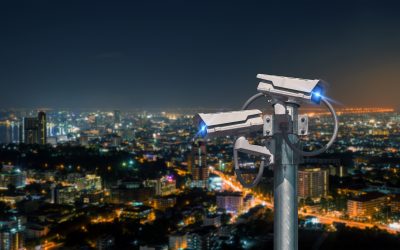
Imagine standing sentinel over what you treasure most, vigilant yet unobtrusive. This is the promise that security surveillance cameras present to both home and business owners throughout Brisbane, offering peace of mind with a technological edge. As the city continues to flourish as a bustling hub of activity and growth, so too does the imperative of safeguarding our spaces. Security cameras have evolved beyond mere tools of observation. They have become integral components of proactive security strategies, woven seamlessly into the digital fabric of our daily lives.
From discreetly monitoring the quiet corners of a suburban neighbourhood to robustly safeguarding expansive commercial complexes, these surveillance systems play a critical role in Brisbane’s urban landscape. They transcend mere imagery, capturing vital moments in vivid detail, making them indispensable allies in our quest for security. As we delve into the intricacies of security surveillance cameras, we will uncover their fascinating evolution and explore their multifaceted purposes.
The Evolution of Surveillance Technology
From grainy black-and-white feeds to high-definition, colour-rich imagery—surveillance technology has leapt forward significantly since its inception. The journey began in the 1940s with rudimentary closed-circuit television (CCTV) systems that offered limited real-time monitoring. These early pioneers laid the groundwork for what would become a cornerstone of the industry. As we progressed through the decades, the technology matured, yielding more efficient, robust, and user-friendly systems.
Today’s smart surveillance systems are marvels of innovation, integrating cutting-edge features such as motion detection, night vision, and facial recognition. These advancements are not just technological feats; they fundamentally transform how we perceive and utilise security cameras. Imagine being able to adjust a camera’s field of view remotely or filter alerts based on specific activity; these capabilities empower users with unparalleled control. A vital step forward in recent years has been the integration with cloud-based platforms, enabling real-time access to footage from virtually anywhere—a feature highly regarded by business owners seeking agility and responsiveness in their security operations.
Moreover, modern security solutions harness artificial intelligence to offer predictive analytics. This leap enables not only passive monitoring but also active management, as AI can identify potential threats based on observed patterns before they materialise. As a result, businesses and homeowners alike benefit from a more pre-emptive approach to security, ensuring that the heightened complexity of today’s risks is met with equally sophisticated solutions.
Understanding the Purpose of Security Cameras
Security cameras function as the vigilant eyes of a property, positioned strategically to thwart threats before they gain momentum. At their heart lies the fundamental purpose of deterrence. In Brisbane, a city known for its vibrant communities and dynamic commercial activities, the visible presence of security cameras acts as a formidable deterrent against unauthorised intrusion and malicious acts. While serving their deterrent role, cameras also provide crucial forensic evidence in the event of any incident—greatly aiding in investigations and legal proceedings.
On a more granular level, businesses utilise security cameras to optimise operations and improve customer experiences. Consider a bustling retail environment: strategically placed cameras not only help prevent shoplifting but also provide insights into traffic flow and customer behaviours, enabling store layouts to be refined for maximised sales and satisfaction. For homeowners, the primary purpose is often the protection of family and property, but considerations such as parcel delivery monitoring or pet supervision also come into play.
Furthermore, the overarching purpose of security cameras extends to fostering a sense of community safety. By nurturing an environment where surveillance systems are commonplace, neighbourhoods can collectively enhance their vigilance, reducing crime rates and promoting tranquillity. This collective approach to safety highlights the pivotal role of security cameras, not just as guardians of individual properties, but also as contributors to broader societal safety.
Ultimately, as we continue to seek improved ways to protect our assets and loved ones, security surveillance cameras stand as steadfast allies in our pursuit of serenity. With their advanced capabilities and ever-evolving technology, they signify both an immediate solution and a long-term investment in peace of mind and community well-being.
Types of Security Cameras
Selecting the right security cameras is pivotal to safeguarding your property, whether it’s a bustling commercial space or a serene suburban home. With the rapid evolution of technology, various camera types offer distinct features tailored to different environments and needs. Understanding these differences enables informed decisions, ensuring that each camera performs optimally in its intended environment.
Wired vs. Wireless Cameras
The choice between wired and wireless cameras is often a matter of preference and practicality. Each type comes with its own set of advantages, making them suitable for distinct environments and needs.
Advantages of Wired Cameras
Wired cameras are known for their reliability and consistent performance. They provide uninterrupted feeds, crucial for high-security areas where signal interference is not an option. Think of them as a reliable workhorse, steadfastly transmitting footage through a physical connection, making them less susceptible to hacking. Wired systems are usually preferred in larger commercial installations, where a robust security infrastructure is paramount. They integrate seamlessly with existing wired networks, forming part of a comprehensive surveillance system. Installation may be more complex and require professional assistance. Still, the upside is a stable, high-resolution video, particularly in areas with high traffic, such as extensive warehouses or sprawling office complexes in Brisbane’s CBD.
Benefits of Wireless Cameras
On the other hand, wireless cameras offer a modern take on security with flexibility and ease of installation at the forefront. They are perfect for locations where accessing wiring is difficult or aesthetically undesirable, such as heritage homes or modern apartments. Wireless systems excel in scenarios that require quick setup or temporary surveillance, such as during property renovations. However, it’s essential to maintain a stable Wi-Fi connection to prevent disruptions. Their ability to connect with mobile devices means real-time monitoring is accessible from anywhere, an invaluable feature for homeowners and small business owners seeking convenience and assurance while away. Imagine being at a Brisbane cafe and checking your property with a few taps on your smartphone, knowing your peace of mind is unbroken.
Indoor vs. Outdoor Cameras
When choosing between indoor and outdoor cameras, focus on environmental considerations and specific surveillance objectives. Each type is engineered with distinct features to meet its environment-specific challenges.
Features of Indoor Cameras
Indoor cameras, usually more compact and aesthetically pleasing, focus on internal security needs. They excel in environments that require subtle surveillance, such as offices or retail spaces, where monitoring employee performance or customer movements is crucial. These cameras often come with advanced features, such as two-way audio, allowing for interaction—imagine speaking to your team after hours or addressing a delivery person directly from your smartphone. Their simplified design will enable them to integrate effortlessly into home interiors, maintaining a discreet watch over vital areas without drawing attention.
Essentials of Outdoor Cameras
Outdoor cameras must endure Brisbane’s weather swings—from summer storms to sunny winters. Built with weather-resistant housings, they are the sentinels of property perimeters, safeguarding against external threats. Equipped with features such as night vision and motion detection, they vigilantly monitor sprawling grounds or isolated areas, such as car parks. A key feature of these cameras is their rugged design, built to withstand high winds and driving rain, ensuring consistent performance around the clock. They also significantly benefit from wide-angle lenses, which capture broad landscapes typical of suburban properties or monitor industrial site boundaries.
PTZ (Pan-Tilt-Zoom) Cameras
PTZ cameras represent the apex of flexibility and functionality. These marvels of engineering create a dynamic surveillance solution through their ability to physically move and zoom, controlled remotely to focus on specific areas of interest.
When to Use PTZ Cameras
PTZ cameras are most beneficial in scenarios demanding comprehensive coverage with minimal devices, such as event monitoring in large venues, airports, or shopping centres, where expansive and dynamic views are required. Imagine a bustling Brisbane conference centre, where a PTZ camera diligently tracks movement across vast spaces, zooming in on detailed action as necessary. These cameras excel in environments that require an active and adaptable security approach, minimising blind spots while providing detailed examination when needed.
Dome Cameras vs. Bullet Cameras
Dome and bullet cameras offer distinctive forms and functions, suited for various security strategies and aesthetic preferences.
Characteristics of Dome Cameras
Dome cameras, often visually discreet, are appealing for indoor use due to their unobtrusive design and ability to blend seamlessly into the surroundings. They offer 360-degree coverage by design, reducing potential blind spots and making them ideal for areas that require discreet and comprehensive observation, such as lobbies or meeting rooms. Their shape prevents perception of which direction they’re facing, adding a psychological element of deterrence against potential wrongdoers who might hesitate, unsure they’re being monitored.
Benefits of Bullet Cameras
In contrast, bullet cameras excel in situations that necessitate direct, long-range focus, typically found in outdoor settings. Their distinctive cylindrical shape is often a visual deterrent, signalling robust security measures to onlookers. These cameras are designed for precision and distance, capable of covering entry points or thoroughfares with pinpoint clarity. Their housing is built for the elements, making them an ideal choice for external arrangements along fences or observing vast parking areas, ensuring clear and targeted visibility.
Hidden Cameras: When and Why to Use Them
Hidden cameras play a niche yet vital role in the security landscape, catering to situations where overt monitoring could alter behaviour or where subtlety is paramount. These cameras are often used in corporate settings to discreetly verify employee conduct or prevent theft without disrupting the workplace environment. They provide an additional layer of oversight in retail settings where supervisory presence is limited, ensuring inventory integrity. It’s crucial, however, to align their use with Australian privacy laws, ensuring transparency and compliance to build trust rather than suspicion among employees and clients.
IP Cameras vs. Analog Cameras
Innovation in security solutions often steers the conversation towards IP cameras; yet, analog cameras still hold a relevant place, offering unique perspectives based on technological needs and operational environments.
How IP Cameras Work
IP cameras, operating on internet protocol networks, are at the heart of modern surveillance systems, utilising digital signals for superior image quality and connectivity through your existing network infrastructure. They offer advanced features, including remote access, ensuring quick and real-time footage accessibility from any device. Imagine assessing your Brisbane office’s status from the Gold Coast; IP cameras make distance a variable of the past. They integrate seamlessly with smart systems, enhancing security layers through AI-driven analytics, such as facial recognition or automatic alert notifications, making them indispensable in data-driven environments that prioritise proactive security measures.
Understanding Analog Cameras
Although analog cameras may seem overshadowed by their digital counterparts, they offer simplicity and cost-effectiveness that appeal to budget-conscious applications where basic surveillance is the primary objective. They interface directly through wired connections to DVR systems, which are historically preferred in small-scale operations that require reliable and clear visual documentation without the complexities of network dependency. Their simple interface ensures ease of use, making them appealing for straightforward monitoring without technological frills. Furthermore, some businesses opt to maintain analog systems due to their robustness and low maintenance, providing a reliable foundation upon which to build additional security measures as needed.
Key Features of Modern Security Cameras
In the fast-paced and continually evolving urban environment of Brisbane, the demand for sophisticated security systems is on the rise. Modern security cameras have become essential tools for safeguarding both residential and commercial properties, offering a myriad of features designed to address the comprehensive security needs of our clients. Here, I will delve into the key features that make these devices indispensable in today’s security apparatus.
Resolution: Why It Matters
Resolution is the cornerstone of effective surveillance. Modern security cameras often boast high-definition and even ultra-high-definition resolutions, enabling detailed captures even from afar. For Brisbane homeowners and businesses, this means being able to clearly identify faces, distinguish vehicle registration plates, or spot an intruder’s apparel. A camera that delivers clear and crisp visuals can be a game-changer during investigations, providing law enforcement with critical, actionable evidence.
Consider a local cafe owner in Paddington who used footage from an ultra-HD camera to provide police with detailed images of a break-in. Would the quality of a low resolution camera have the evidential quality needed for a swift apprehension and prosecution of the suspect? This highlights the camera’s essential role in security and why an appropriate resolution is paramount to it achieving it’s intended purposed.
Field of View: Choosing the Right Angle
The field of view determines how much of the scene the camera can capture, directly impacting the coverage area of your surveillance. Cameras with wide-angle lenses can cover large areas, reducing the number of cameras needed for comprehensive surveillance. This is particularly beneficial for expansive properties, such as a sprawling Queenslander home in Brisbane or a large warehouse in the Port of Brisbane precinct. A strategic assessment of your site’s geography and layout, combined with the appropriate camera placement, ensures no angle is left unmonitored—enhancing the overall security coverage. For example, a Brisbane logistics company minimised blind spots and optimised coverage by selecting cameras with a 180-degree field of view for their operations.
Night Vision: Ensuring 24/7 Protection
Crime does not adhere to a 9-to-5 schedule, making night vision a crucial component of a security system. Modern cameras are equipped with infrared LEDs or advanced low-light imaging sensors, enabling clear, detailed footage even in complete darkness. For Brisbane residents, who often face nighttime activities or late-night security concerns, this feature provides continuous protection around the clock. Imagine a pharmacy in Brisbane’s West End relying on infrared capabilities to monitor activity after closing hours, deterring potential burglaries and securing the premises efficiently.
Motion Detection: How It Enhances Security
Intelligent motion detection technology empowers security systems to distinguish between harmless movement and suspicious activity. By effectively reducing false alarms caused by environmental factors such as rain or tree branches swaying in the wind, motion detection can significantly streamline security operations. This feature allows alarms to trigger only when truly needed, making it an invaluable tool for a remote construction site in South Brisbane or a suburban home that needs undisturbed nighttime peace. A retail store in Chermside saved resources and improved efficiency by integrating intelligent motion sensors to alert staff to after-hours intrusions promptly.
Two-Way Audio: Communication Through Cameras
Two-way audio transforms security cameras from passive recording devices into active communication tools. This feature allows users to speak directly through the camera, providing both deterrence and interaction. Imagine a property manager in Fortitude Valley addressing a delivery person at the entrance gate without having to leave the office. In addition, it serves as a deterrent, where the simple act of addressing an intruder can prevent an offence from escalating, all while reinforcing a secure environment. This capability extends a personable touch to security, enhancing both trust and deterrence.
Remote Access and Monitoring
In an increasingly interconnected world, the ability to access and monitor your security systems from anywhere is invaluable. Remote access, facilitated through cloud-based platforms and apps, provides users with the flexibility to view live feeds and receive real-time notifications from anywhere. For a bustling Brisbane restaurant owner or a frequently travelling resident in New Farm, remote access means peace of mind is just a tap away. This convenience allows homeowners and business managers to detect any anomalies or potential threats promptly, facilitating swift action and enhancing overall security measures. Embrace the confidence that comes with knowing your property is safeguarded, wherever you are.
These features are more than just technological advancements—they represent the frontier of modern security practices. By equipping ourselves with knowledge about these features, we empower the Brisbane community to make informed decisions that lead to safer, more secure environments. This is the essence of embracing innovative security solutions tailored to our city’s unique demands.
Choosing the Right Surveillance Camera for Your Needs
Choosing the right surveillance camera can be a daunting task, with numerous options available that promise different features and benefits. However, understanding your unique requirements and environment can make the process far more straightforward and effective.
Assessing Your Security Requirements
Start by precisely defining what you need from a security camera. Imagine your property as a puzzle; each piece represents an area that contributes to the overall safety you aspire to achieve. Are you focusing on deterring intruders, safeguarding entry points, or monitoring internal operations? In Brisbane, with its diverse suburbs, the type of security issue often varies. For instance, a bustling commercial spot like Fortitude Valley might demand robust outdoor cameras with night vision and wide-area coverage. Meanwhile, a suburban home in Kenmore could benefit more from discreet indoor solutions that monitor entrances and family living spaces.
Historically, businesses with thoroughly drafted security plans have faced fewer incidents, as they could address specific vulnerabilities rather than applying generic solutions. Delve into the specifics: what time of day do you need coverage most? Do you require real-time monitoring or simply a record for future reference? By comprehensively evaluating these needs, you not only ensure effective threat deterrence but also optimise resources efficiently.
Considering Environmental Factors
Environmental conditions play a significant role in determining the effectiveness of your surveillance system. The unique subtropical climate of Brisbane demands attention. Picture a scenario: a standard camera placed in a high-humidity environment, such as Forest Lake, might frequently malfunction without the proper weatherproof housing. Conversely, cameras in the urban heart, surrounded by high-rise structures, need to adapt to fluctuating light conditions.
Technology enables us to overcome many of these challenges, with features such as infrared illuminators for low-light scenarios and IP66-rated cameras that withstand dust and water exposure. Another crucial consideration is understanding your neighbourhood’s unique traits. Are there frequent power outages that might demand cameras with extended battery life or solar backups? Aligning your camera choice to these factors ensures reliability and resilience, positioning your surveillance system as a formidable shield against unwanted scenarios.
Balancing Budget and Features
Securing your property doesn’t have to break the bank. It’s essential to balance spending with your security goals. Consider surveillance investments akin to purchasing a bespoke suit: it needs to fit perfectly for both function and form. Budget constraints are real, but they shouldn’t compromise essential security features that Brisbane’s dynamic landscape might require.
Start by prioritising core features that align with your immediate security demands. A family home in Manly might prioritise outdoor cameras with motion detectors and two-way audio, whereas an Ascot business could emphasise high-resolution indoor cameras for merchandise monitoring. Cost-effective yet advanced options, such as Wi-Fi-enabled systems, provide flexibility and scalability, which are essential for both expanding families and growing businesses. Interestingly, a well-configured security system often proves to be more cost-effective over time by reducing theft-related losses and lowering insurance premiums.
The Importance of Brand and Reliability
In the security domain, brand reliability is paramount. Think of it as choosing a trusted confidant; you wouldn’t place sensitive matters in just anyone’s hands. Many Australians have experienced the frustration of subpar security products that falter at crucial moments. Therefore, investing in established brands known for their reliability is a wise decision.
Brisbane’s diverse architecture and vibrant growth mean your surveillance cameras need to integrate seamlessly with future technological advancements while maintaining durability. Leading brands often offer more extended warranty periods and have robust customer support, guaranteeing peace of mind. Furthermore, consistent software updates and integration capabilities with other smart devices position these products as essential components of your security puzzle. The endorsement from an established brand reinforces reliability and ensures you’re leveraging the best in innovative security solutions for your property.
Installation and Maintenance of Security Cameras
Selecting and placing security cameras with precision is crucial, but the effectiveness of your surveillance system is heavily impacted by installation and ongoing maintenance. It’s not just about mounting a camera; it’s about strategically positioning it to capture pivotal insights into the happenings around your Brisbane home or business premises, fitting seamlessly with your security objectives.
DIY Installation vs. Professional Installation
For many, the decision between DIY and professional camera installation hinges on a blend of cost, convenience, and capability. Opting for a DIY approach may seem cost-effective, especially for tech-savvy individuals who are comfortable handling tools and software. With an array of user-friendly models available, some featuring plug-and-play setups, it’s easy to be tempted by the DIY route. However, it’s vital to consider more than just cost savings. Incorrect installation can lead to reduced coverage, blind spots, or compromised camera functions. For instance, overlooking aspects like angle positioning or lighting can diminish image quality.
On the other hand, professional installation is a rewarding investment, particularly in bustling Brisbane, where unique architectural characteristics and varied urban landscapes significantly impact security dynamics. An expert installer provides insights into optimal camera placement, ensuring each device captures critical footage while blending into your property’s aesthetic. More so, they navigate the complexities surrounding local Brisbane regulations, ensuring compliance with all relevant guidelines.
Moreover, professionals bring expertise in integrating cameras with existing security systems, ensuring compatibility and streamlining operations. This approach often yields more effective and longer-lasting solutions, with experts providing guidance on energy-efficient setups, thereby reducing overall operating costs. In essence, while the upfront investment in professional installation may be higher, the return through enhanced reliability and security is substantial.
Regular Maintenance Tips
Once your cameras are installed, maintaining them becomes a priority. Regular upkeep ensures your system functions optimally, protecting your Brisbane property with seasoned reliability. First, focus on cleanliness. Clean camera lenses, as dust or water spots can impair image clarity. Use a microfiber cloth regularly to wipe down lenses, particularly in outdoor areas exposed to fluctuating elements.
The next step involves software updates. Manufacturers frequently release firmware updates that enhance functionality and introduce new security features. Consistent updates prevent vulnerabilities and improve system performance. Fortunately, many modern security setups allow for automatic updates, a feature that offers added peace of mind.
Additionally, verify camera positioning and angling to adapt to seasonal changes or shifting light patterns. In Brisbane’s unique lighting environment, minor adjustments can significantly enhance image capture throughout the year. Always verify the power supply and connectivity, including both wired and wireless connections. A stable power connection and reliable internet strength are crucial for streaming and storing footage without interruptions.
Finally, periodically test the entire security system. This process involves checking feeds, ensuring continuous recording, and testing alerts. This proactive approach guarantees you remain aware and responsive to any unforeseen issues, providing peace of mind and robust protection.
Troubleshooting Common Issues
Even with regular maintenance, you might occasionally encounter issues with your security cameras, but fear not; troubleshooting is often straightforward. One frequent problem is connectivity issues. If a camera drops its connection, first confirm that your Wi-Fi network is operational and within range. For wired systems, ensure all cables are securely connected and undamaged. If the problem persists, resetting the camera or router often resolves connectivity glitches.
Another common snag involves poor image quality. Often this can be traced back to lighting conditions, dirty lenses, or improper camera settings. Start by cleaning the lens. Then, adjust the camera settings via its app or interface, focusing on resolution adjustments or toggling night vision settings where applicable.
In Brisbane, harsh weather can sometimes cause power issues, particularly for outdoor cameras. Verify that your system has adequate surge protection and inspect power sources after severe weather conditions. If a camera isn’t turning on, inspect the power cables and connections for faults.
Regular monitoring of these aspects prevents potential issues from escalating, ensuring your security system delivers continuous protection. By understanding and addressing these common challenges, you provide a robust security presence that maintains vigilance over your assets and loved ones, without interruption.
Optimising the installation and maintenance of your security cameras fortifies your premises and provides an enduring peace of mind that aligns with Brisbane’s vibrant yet demanding environment.
Integrating Surveillance Cameras with Other Security Systems
To transform your property into a fortress of security, integrating surveillance cameras with other security systems is essential. This isn’t merely about capturing footage; it’s about enhancing protection and streamlining security operations. When cameras are woven together with access control systems, intercom systems, security patrols, and monitoring, the outcome is a comprehensive, multi-layered defence mechanism adept at adapting to various threats. As businesses and homeowners in Brisbane, you need solutions that don’t just add layers but interconnect them intelligently, offering a fortified shield that stands resilient against intrusions.
Access Control Systems
Integrating surveillance cameras with access control systems adds an extra layer of visibility to who enters and exits your property. Imagine a situation where cameras strategically placed at entry points not only observe but also log activities synchronised with your access control system. This integration enables a real-time cross-verification of individuals entering, effectively preventing unauthorised access and enhancing safety.
In a Brisbane office environment, when an employee uses their access card, security cameras automatically capture footage, linking their identity to their card details. This setup helps resolve any discrepancies instantly. Furthermore, data integration ensures an audit trail that serves as pivotal during investigations. A well-orchestrated system doesn’t just react; it anticipates, offering predictive analytics to identify unusual access patterns and take preemptive actions.
Businesses that harness this integration can manage their premises with precision, ensuring that every access point is a checkpoint of fortitude. By merging access control with surveillance, firms can streamline visitor management, reduce the risk of internal theft, and ensure compliance with regulations relevant to Brisbane’s urban laws and norms.
Intercom Systems
Integrating surveillance cameras with intercom systems crafts a multi-faceted approach to communication and security. Picture arriving at a residential complex in Brisbane and buzzing the intercom at the entrance. At that moment, surveillance cameras capture your presence, transmitting a live feed to the resident or property manager’s device. This visual confirmation ensures that access decisions aren’t solely reliant on voice recognition but are supported by video validation.
For properties, especially multi-tenancy buildings, this integration minimises the chances of impersonation or unauthorised entry. In real-world applications, we’ve seen enhancements that allow residents to interact with visitors, delivery personnel, or maintenance staff through both voice and video, making decisions swiftly and backed by direct evidence.
This augmented communication not only fortifies the physical barrier but also delivers a peace of mind that abstract technologies can’t replicate on their own. For Brisbane homeowners and complexes, embracing this fusion means aligning with a contemporary standard that is fast becoming essential, offering convenience coupled with unyielding security.
Security Patrols and Cameras
Imagine augmenting the capabilities of security patrols in Brisbane with intelligently positioned surveillance cameras. This fusion doesn’t replace the human element but rather enhances it, creating a vigilant network that operates continuously. Cameras placed at crucial points can alert patrols to potential threats, guiding them to respond proactively rather than reactively.
Through real-world scenarios, we see how this integration serves commercial spaces such as sprawling retail complexes. Here, cameras not only record but also predict, identifying suspicious behaviour patterns. When coupled with patrolling teams equipped with mobile devices displaying live feeds, response times to incidents such as shoplifting or vandalism improve significantly.
Moreover, in areas such as industrial facilities, this combination facilitates greater accountability. Patrol personnel can verify and document security rounds through camera footage, ensuring compliance with safety protocols. Ultimately, connecting cameras with patrols cultivates a comprehensive security framework, allowing for efficient use of human resources while maintaining an unfaltering vigilance over your assets.
Enhancing Security Monitoring with Cameras
Security monitoring transcends its traditional boundaries when surveillance cameras are central to its operations. In an era where real-time data is pivotal, integrating modern cameras with monitoring systems can redefine safety strategies across residential and commercial domains in Brisbane. By embedding cameras into monitoring frameworks, it’s possible to move beyond just overseeing and venture into analytics-driven observations that foresee potential risks.
Consider residential areas where cameras provide constant visual data to monitoring centres. Here, sophisticated algorithms process feeds to detect anomalies such as unauthorised movements, fire hazards, or water leaks. Furthermore, combining real-time footage with monitoring enables immediate verification and dispatch of emergency services when needed, thereby narrowing the window of potential loss or harm.
On the commercial front, particularly in retail and hospitality, the integration of surveillance cameras and monitoring systems enhances loss prevention, customer service, and operational efficiency. By examining camera feeds, managers can enforce standards, optimise foot traffic flow, and ensure compliance with safety regulations, all harmonised through a monitoring system that adapts to needs.
The true prowess of camera integration lies in its ability to create an intelligent security ecosystem, one that’s not siloed but connected, responsive, and predictive. In Brisbane’s dynamic and ever-evolving environment, embracing such comprehensive security measures ensures that properties are not just watched but safeguarded with foresight and precision.
Legal and Ethical Considerations
When it comes to deploying security surveillance cameras, understanding the legal and ethical landscape is paramount to ensure compliance and build trust. Australia has a dynamic set of regulations that govern the use of surveillance systems to safeguard individual privacy rights. As we navigate these waters, we not only need to abide by the law but also ensure that our practices foster trust and respect within the community.
Understanding Privacy Laws in Australia
Australia’s privacy laws are comprehensive, aiming to strike a balance between the need for security and individual rights. The primary piece of legislation is the Privacy Act 1988, which outlines the rules for collecting, using, and managing personal information. The installation of surveillance cameras must comply with these laws, particularly when it concerns recording footage on private property that also impacts public spaces.
It is essential to understand that while homeowners and businesses in Brisbane may install cameras on their premises, they must ensure that these cameras do not unintentionally infringe on neighbouring properties or capture more public space than necessary. The Australian Information Commissioner provides guidelines on this exposure, recommending that camera placement and angles are carefully planned to respect public privacy.
Moreover, the Surveillance Devices Act 2004 is another significant piece of legislation. It specifically addresses the use of listening devices, optical surveillance devices, and data surveillance. For businesses and residents across Brisbane, this means employing cameras for their intended purpose: enhancing security, not infringing on personal privacy. Violations can result in hefty fines, but more importantly, they damage public trust—an invaluable asset in the security industry.
Authorisation protocols must be followed rigorously. In commercial settings, this may involve consulting with legal experts to determine the permissibility and extent of camera usage. Many forward-thinking businesses make it a practice to notify potential entrants of their premises about surveillance through clear signage. This small step can make significant strides in maintaining transparency and ensuring legal compliance.
Best Practices for Ethical Surveillance
Incorporating ethics into surveillance practices extends beyond adhering to laws—it’s about fostering community trust. Ethical surveillance means placing the scale of security on one side and privacy on the other, ensuring that neither is disproportionately compromised.
A best practice is to limit data collection to what’s necessary. Cameras should only record essential areas, avoiding intrusive close-ups and continuous feeds without purpose. Adopt a ‘data minimisation’ stance, logging just what is required to accomplish the security goal.
Transparency is another cornerstone of ethical surveillance. Inform stakeholders and the broader community about the locations and purposes of camera installations. Use strategically placed signage to communicate their presence. This openness not only builds trust but fortifies the bond between businesses or homeowners and their community.
Regular audits and impact assessments can further an ethical agenda. By periodically reviewing camera placements and footage access, residents and business owners in Brisbane can ensure their systems remain aligned with both ethical standards and legal obligations. Exploring innovative solutions, such as privacy masks that use camera software to blur non-essential elements, reflects a commitment to ethical principles.
Lastly, engage with a diverse range of opinions and adapt practices when necessary. Including input from community members or employee representatives when designing surveillance policies ensures broader perspectives, identifying potential blind spots that might otherwise go unnoticed.
By embracing these practices, solutions not only integrate effectively into Brisbane’s security landscape but redefine it—securing what’s important while respecting the personal autonomy every individual values. As we implement such systems, remember: it’s not just about watching over what matters, but also how we watch over it.
Future Trends in Security Surveillance Technology
The world of security surveillance is seeing rapid changes that promise to reshape the landscape for businesses and residents across Brisbane. As our city continues to grow and evolve, so too does the technology designed to protect us. The advancements on the horizon are set to modernise how we secure our properties, offering new levels of efficiency, flexibility, and safety. With innovations such as AI-driven analytics, enhanced camera sensor technology, and cloud-based solutions, the future of surveillance offers dynamic, responsive security capabilities that are more closely aligned with the needs and challenges of an urban environment.
Artificial Intelligence and Machine Learning
Incorporating artificial intelligence (AI) and machine learning into surveillance systems opens a new chapter in predictive security measures. These technologies stand to revolutionise how we interpret and respond to data captured by surveillance cameras. Imagine systems that not only record events but actively learn from patterns of behaviour. For instance, through machine learning, cameras are now programmed to identify irregular activity, such as a stranger loitering too long near a business premises after hours. By alerting authorities in real-time, these systems enhance the proactive nature of security.
AI also excels at reducing false alarms, a common issue in traditional systems. The ability to distinguish between benign activities, such as wildlife movement, and genuine threats reduces unnecessary security responses, saving time and resources. While it may raise some privacy considerations for some, one compelling instance of AI in action is the facial recognition capability deployed in some Australian public spaces, which adds a layer of identification, further entrenching trust in the effectiveness of one’s security setup.
Further, AI can integrate with customer management systems to offer personalised security profiles, enhancing customer experiences in retail or hospitality settings. These profiles tailor alerts and access permissions based on individual visitor patterns, promoting both security and guest convenience in innovative ways.
Advancements in Camera Sensors and Optics
The leap forward in camera sensor technology and optics stands to redefine the clarity and reliability of surveillance footage. Modern sensor advancements focus on increasing resolution and enhancing low-light performance, which is crucial for determining fine details, such as facial features or vehicle plates, in various lighting conditions. For Brisbane’s nightlife districts, where lighting can vary significantly, high dynamic range imaging has become a boon, capturing detail with precision even in mixed-light conditions.
Additionally, the development of multi-spectral imaging combines visible, infrared, and additional spectrums to create a more comprehensive image, covering scenarios where traditional cameras might fail. For example, in factories, these cameras can alert operators to changes in machinery heat signatures, possibly pre-empting costly breakdowns or hazards.
New-generation lens technology also supports wider fields of view without sacrificing detail, allowing a single camera to monitor a larger area. For commercial premises, this reduces the number of cameras required, making installations more cost-effective and less intrusive. Businesses leveraging such technology can optimise their surveillance setups to ensure comprehensive coverage without overwhelming complexity or cost.
The Rise of Cloud-Based Surveillance
The emergence of cloud-based surveillance models represents a significant shift in how security data is stored and managed. This approach enables real-time access and management of footage from anywhere, making it ideal for Brisbane’s increasingly mobile and connected business owners. Cloud solutions eliminate the need for on-site storage hardware, thereby reducing the risk of data loss in the event of theft or damage.
For residents and small business owners, cloud storage offers scalability without the hardware costs associated with traditional setups. Imagine having the flexibility to scale your storage needs as your business grows without the burden of upgrading physical servers. Real-world applications in retail environments showcase the cloud’s potential, providing merchants with instant playback of incidents, facilitating swift resolution of disputes or thefts.
Cloud integration also complements AI capabilities through powerful analytics platforms, harnessing massive amounts of data to offer insights on security trends and operational efficiencies. Utilising the latest encryption and security protocols, these systems ensure data integrity and privacy, which are critical in our era of heightened information sensitivity.
By adopting cloud-based systems, Brisbane property managers and owners can develop more effective and adaptable security strategies that evolve in response to societal changes and technological advancements. This approach not only fortifies security but enhances the management and administrative aspects associated with surveillance systems, paving the way for a future where security is both advanced and accessible.
FAQs
1. What are security surveillance cameras used for?
Security surveillance cameras are designed to deter intruders, monitor activity, and provide evidence in case of incidents. They are commonly used in homes, businesses, and public spaces to enhance safety and peace of mind.
2. How do security surveillance cameras prevent theft?
Security surveillance cameras act as a strong visual deterrent against theft. When placed strategically, they discourage criminals and provide clear video evidence that can assist in investigations and recovery.
3. What are the best security surveillance cameras for businesses?
The best security surveillance cameras for businesses typically include high-resolution IP cameras with night vision, wide field of view, and remote access. Many businesses also choose systems with motion detection and cloud storage for reliable, around-the-clock protection.
4. Which security surveillance cameras are best for home use?
For homes, wireless security surveillance cameras with mobile app access are popular for their ease of installation and convenience. Features like two-way audio, motion alerts, and weather resistance make them ideal for monitoring both indoor and outdoor areas.
5. What is the difference between wired and wireless security surveillance cameras?
Wired cameras provide stable, uninterrupted footage but require professional installation. Wireless security surveillance cameras are easier to install and more flexible but depend on a strong Wi-Fi connection for reliable performance.
6. Are outdoor security surveillance cameras weatherproof?
Yes, most outdoor security surveillance cameras are built with weather-resistant housing to withstand rain, heat, and wind. Look for cameras rated IP65 or higher to ensure durability in harsh weather conditions.
7. Do security surveillance cameras work at night?
Modern security surveillance cameras often come with infrared night vision or low-light sensors. These features allow clear recording in complete darkness, ensuring 24/7 coverage of your property.
8. Is it legal to install security surveillance cameras in Australia?
Yes, security surveillance cameras are legal in Australia, but they must comply with privacy laws. Cameras should not capture footage from neighbouring properties or private spaces beyond your own premises without consent.
9. Can I view my security surveillance cameras remotely?
Most modern security surveillance cameras offer remote viewing via smartphone apps or cloud platforms. This feature allows homeowners and business managers to monitor their property from anywhere in real time.
10. How much do security surveillance cameras cost?
The cost of security surveillance cameras varies widely depending on features, brand, and installation requirements. Basic home cameras start from under $100, while advanced business systems with multiple units and AI features can cost several thousand dollars.
Written by Sam Hayes
Details provided in this article are subject to change over time. Pacific Security Group is not liable for any errors, omissions, or updates that may affect accuracy.