What Is a Smart Home Security System?
Understanding how to design a smart home security system begins by comprehending the intricacies and functionalities of this innovative solution. Smart home security systems embody the pinnacle of technological advancement, catering to the evolving needs of modern homeowners and property managers.
Definition of a Smart Home Security System
A smart home security system is an integrated network of electronic devices designed to safeguard residential properties through remote monitoring, control, and automation. At its core, it blends traditional security measures, such as alarms and cameras, with advanced technology, including IoT (Internet of Things) connectivity and AI-driven analytics.
Imagine a security system as the conductor of an orchestra—each component, whether it’s a smart sensor, video doorbell, or motion detector, plays its role in creating harmony. These elements communicate through wireless connections, enabling real-time data sharing and enhanced situational awareness. Siri and Alexa can become active participants in this symphony, effortlessly syncing with security components to manage settings through voice commands.
Beyond the flashy gadgets, the true essence of a smart home security system lies in its ability to adapt to its local environment. For example, Brisbane’s unique climate conditions can impact device performance. Smart systems can detect and adjust to such variables, ensuring consistent coverage. Moreover, these systems are designed to conform to Australian regulations, providing a comprehensive yet compliant solution for property protection.
Benefits of Smart Home Security Systems
Smart home security systems offer a myriad of benefits that extend beyond mere protection. The most immediate advantage is their ability to deter potential intruders through visible and often audible deterrents.
Brisbane homeowners prioritise convenience, and smart systems deliver precisely that, boasting features such as remote monitoring and real-time alerts. Forgot to lock the door? No worries—your smartphone can secure it from 20 kilometres away while you’re enjoying a day at South Bank.
These systems also excel in creating a safer and more efficient home environment through automated routines. Digital locks and smart lighting systems sync with sundown, creating the illusion of occupancy and deterring trespassers.
Energy efficiency, often overlooked, is another tangible benefit. By intelligently managing heating, cooling, and lighting, smart systems contribute to sustainability efforts, aligning with Brisbane’s eco-conscious ethos.
Insurance providers may recognise homes with robust security systems by offering reduced premiums. This potential financial incentive, combined with the peace of mind that comes from a secure home, can make smart security systems an investment rather than an expense.
The Evolution of Security Systems into Smart Technology
The transformation from rudimentary security measures to sophisticated smart systems is a testament to the relentless pursuit of innovation in ensuring safety. In the past, security systems were often standalone, reliant upon physical presence and simple alarm mechanisms to thwart unauthorised access.
The digital revolution heralded a wave of change, integrating internet connectivity and mobile technology into security frameworks. This evolution unlocked new capabilities, such as remote surveillance and immediate alert notifications, enhancing efficacy while reducing response times.
Consider the analogy of upgrading from a vintage automobile to a modern electric vehicle. While both serve the purpose of transportation, the latter offers enhanced efficiency, sustainability, and a suite of intelligent features. Similarly, today’s smart security systems are far more adaptable and intuitive than their predecessors.
Businesses, especially within Brisbane’s thriving commercial landscape, appreciate the scalability that modern smart systems offer. Just as a cafe owner in Fortitude Valley can effortlessly upscale security for expanding premises, so can homeowners tailor their systems to accommodate growing families or property renovations.
Australian standards shape this technological metamorphosis, ensuring reliability and quality across smart solutions. Compliance with these standards is crucial, as it safeguards users against potential vulnerabilities and ensures robust system performance.
The evolution of security systems into smart technology represents a significant leap towards creating safer, more connected environments. As Brisbane continues to grow, the demand for innovative security solutions will only intensify, making investing in smart home security systems a savvy choice for those who prioritise long-term safety and peace of mind.
Essential Components of a Smart Home Security System
When designing a smart home security system in Brisbane, understanding the critical components is paramount. The right combination of these elements not only protects your property but also fits seamlessly into your lifestyle. Here, we’ll unravel these indispensable pieces that form the backbone of a secure home.
Smart Surveillance Cameras
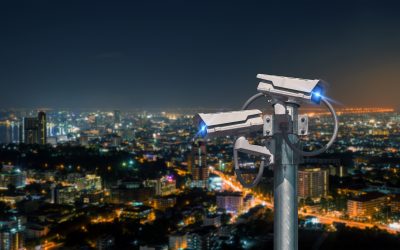
Smart surveillance cameras are the eyes of your security system. They offer continuous vigilance, ensuring peace of mind by capturing real-time video and recognising potential threats before they escalate.
Types of Smart Cameras
When selecting the ideal camera, it is essential to consider the specific security needs of your property. Dome cameras, notable for their wide-angle views and tamper-resistant designs, are suitable for indoor use. They discreetly monitor large areas such as living rooms or offices. Bullet cameras, with their distinctive long shape, excel outdoors due to their powerful zoom lenses and weatherproof structures. They’re perfect for pathways and garage entries. For the tech-savvy homeowner, pan-tilt-zoom cameras offer dynamic, flexible monitoring with capabilities that allow for tilting and zooming, capturing details that are often overlooked. These are frequently used in larger properties or multi-level buildings.
Location and Placement Tips
Strategic placement of cameras maximises their effectiveness. For instance, installing cameras at the home’s entry points, such as front and back doors, helps monitor those high-traffic zones. Positioning them at a higher elevation reduces the risk of tampering. Angles should ensure coverage of all blind spots, eliminating vulnerable gaps. Incorporating cameras in discreet spots can deter offenders before they even consider a break-in. Understanding Brisbane’s layout, including local crime patterns and adjacent alleys, helps tailor these placements to each home’s unique risks.
Motion Detectors and Sensors
Motion sensors are the keystone in early threat detection. They elevate a home’s security measures by identifying movement and triggering alerts, all while ensuring operational ease.
Features of Advanced Motion Sensors
Today’s motion sensors are sophisticated devices. Passive Infrared Sensors (PIR) detect body heat and are less susceptible to false alarms from non-living objects. Microwave sensors emit waves and can cover areas that PIR sensors might miss. Dual-technology sensors combine PIR and microwave elements to strike a balance between reducing false alarms and enhancing security. Additionally, modern sensors might provide pet immunity to avoid alerts from smaller animals while reliably catching human movement.
Strategic Sensor Placement
Location and placement are crucial. Positioning sensors within hallways or entry points increases the chances of detecting intruders as they navigate these inevitable pathways. Placing them around ground-level windows and doors is advisable, as these are common points of entry. Mount sensors at a height of approximately 2 to 3 metres for optimal coverage, ensuring they’re not obstructed by furniture or other household items.
Smart Locks and Access Control Systems
Gone are the days of fumbling for keys. Smart locks revolutionise how we perceive entryway security, offering zero-fuss solutions for today’s tech-driven world.
Electronic Door Locks
Electronic door locks provide a digital upgrade to traditional locking mechanisms. Keypad locks, favoured for their reliability, allow code-based entry, eliminating the risk of lost keys. Bluetooth-enabled locks offer proximity-based convenience, automatically unlocking as you approach. Further advancement comes with Wi-Fi-enabled locks, which facilitate remote control over locks, perfect for granting access to family or trusted guests even when you’re not home.
Access Control Options
Access control goes beyond basic locking mechanisms. Biometric systems, employing fingerprint or facial recognition, offer the highest security pros, being almost impossible to duplicate. RFID systems use cards or fobs, making them ideal for managing multiple users without compromising security. Customisable access logs offer detailed insights into who accesses your home and when—an invaluable tool in today’s security landscape.
Smart Alarms and Siren Systems
Smart alarm systems are the sentinels of your security framework. They work tirelessly to notify you and deter malefactors when danger arises.
Integration with Other Smart Devices
Interconnectivity is key to modern security planning. An integrated system enables alarms to work in harmony with cameras, lighting, and even your smartphone. When an alarm triggers, it can initiate cameras to record or lights to flash in strategic areas, boosting both visibility and deterrence.
Features to Consider
A well-chosen alarm system should include options for silent or audible alerts, catering to situations where discretion is preferred. Battery backup remains crucial for enduring power outages. Smartphone connectivity provides real-time updates, regardless of location, a vital feature for frequent travellers.
Intercom System Integration
An intercom system serves as your primary communication link, providing critical face-to-face contact while minimising physical exposure.
Benefits of a Smart Intercom System
Smart intercoms provide seamless communication with visitors, allowing for greater control over property access. Features like video calls or voice commands enhance convenience and security alike. For homeowners who wish to screen guests before authentication, these systems provide peace of mind.
Choosing the Right Intercom System
Consider the desired features: Video-enabled intercoms afford visual confirmation of visitors, while wireless systems provide installation flexibility without the need for extensive wiring. Smart integrations with home assistants allow voice control, merging intercom use into broader home management systems. Always ensure the chosen system withstands Brisbane’s unique climate, offering reliable security and seamless service.
A smart home security system isn’t just a collection of gadgets—it’s an investment in peace of mind. By understanding these components and tailoring them to Brisbane’s distinctive needs, we’re creating safe, smarter homes. Let’s redefine home security with technology that’s as intuitive as it is reliable.
Designing a Smart Home Security System
Creating a well-rounded smart home security system goes beyond simply purchasing the latest gadgets. It requires a carefully crafted strategy, focused on your specific needs, the layout of your home, and an understanding of the technology that will keep you secure. Whether you’re protecting a charming Queenslander or a modern inner-city apartment, a tailored approach ensures comprehensive safety.
Assessing Your Security Needs
In the bustling milieu of Brisbane, understanding your unique security requirements forms the cornerstone of an effective smart home security system. This involves an insightful analysis of your environment, lifestyle, and potential vulnerabilities. Not every home faces the same risks, and recognising this will guide you in making informed choices.
Conducting a Security Audit
A security audit is your first step towards understanding the strengths and weaknesses of your current setup. Imagine your home as a fortress; you need to ascertain where its defences are stout and where they might falter. Walk through your home, noting access points like doors and windows, and think like an intruder. Would a side window provide an easy entry, or is there inadequate lighting around the back porch?
Data-driven insights can enhance this process. For instance, crime statistics from local police stations in Brisbane can reveal common break-in methods in your area. Engaging with neighbours to learn about their experiences provides further valuable insights. This collective intelligence helps identify potential blind spots in your security.
Identifying High-Risk Areas in Your Home
Not all parts of a home require the same level of scrutiny. High-risk areas often include entry points, garage doors, and spaces containing expensive valuables, such as living rooms or home offices. For example, if you have an open-plan living area visible from the street, it could be an attractive target.
Integrating smart technology becomes crucial here. A positioning strategy could involve deploying motion sensors in dimly lit corridors or installing smart locks at main entrances. In essence, you want to amplify protection in these vulnerable zones without compromising on aesthetics or convenience.
Creating a Security Layout Plan
A meticulously drawn security layout acts as a blueprint for your smart home security endeavour. It’s about visualising where enhancements are needed and how devices will harmoniously interact to cover every inch of your home.
Mapping Device Placement
Effective device placement can mean the difference between a secure home and underestimated risks. Picture each device as a cog in a well-oiled machine. Cameras should offer a clear line of sight over approaches and blind spots. For example, a strategically angled camera at the front door can double as a doorbell intercom.
Layers are pivotal; think of sensors stationed on doors and windows, alongside cameras monitoring staircases or driveways. Consider height and angles to avoid blind spots and ensure complete visibility and operational efficiency.
Optimising Coverage and Connectivity
A state-of-the-art security layout also relies heavily on optimising coverage and connectivity. In an urban setting like Brisbane, Wi-Fi disruptions can occur from signal interference in densely populated areas. Hence, applying mesh networking systems ensures your security devices are consistently online.
Coverage ensures that no area is left unmonitored. Evaluate the range of your Wi-Fi network and consider extenders if necessary. Your cameras and sensors must maintain a robust signal to communicate effectively with each other and with your device interfaces.
Choosing Compatible Smart Devices
Selecting the right smart devices is akin to curating a finely tuned orchestra. Each component should not only perform excellently but also complement others in the ensemble, delivering a harmonious security solution.
Considering System Integration
System integration is about seeing the bigger picture. Devices need to communicate seamlessly to create a cohesive security environment. An integrated system might involve pairing outdoor cameras with smart lighting that activates upon detecting motion, creating a deterrent for potential intruders.
Assess whether your chosen products can integrate with existing systems or platforms. Many Brisbane homes already employ smart appliances or energy management solutions, so selecting devices that integrate effortlessly ensures a streamlined setup and operation.
Evaluating Device Compatibility
Compatibility is non-negotiable in a smart ecosystem. Devices must not only be compatible with each other but also with future technologies. As tech evolves, so should your security system—as effortlessly as possible.
Look for devices that align with national standards, ensuring compliance and guaranteeing reliable performance. Advanced communication protocols, such as Z-Wave or Zigbee, are good indicators of a device’s adaptability, ensuring better longevity and fewer headaches as new technologies emerge.
Installation and Configuration
Installation and configuration are the final steps in actualising your smart security aspirations into reality. This phase requires precision and expertise to ensure a seamless deployment.
DIY vs. Professional Installation
Deciding between a DIY installation and hiring professionals is crucial. DIY can be cost-effective and offers personal satisfaction, but requires a deep understanding of technology and configurations. Conversely, professionals bring expertise and equipment to ensure all components are installed optimally, often under warranty.
Brisbane’s humid climate can impact specific installations, so professional guidance may be necessary to select the optimal outdoor placements, which a DIY approach may overlook due to inexperience.
Configuring Security Settings
Once installed, configuration settings customise your system’s response to potential threats. This includes setting up alerts, integrating with mobile devices for real-time notifications, and ensuring software updates are applied promptly.
User-friendly interfaces allow homeowners to easily calibrate devices, setting desired thresholds for alarms or motion detection sensitivity. Importantly, include emergency contact protocols tailored to your specific needs and ensure that all household members are familiar with these protocols for maximum peace of mind.
Designing a smart home security system in a vibrant city like Brisbane means acknowledging local nuances, leveraging the possibilities of technology, and focusing on safeguarding what matters most. Through expert guidance and strategic planning, your home transforms into a sanctuary of smart protection.
Enhancing Security System Effectiveness
When it comes to securing your Brisbane home, it’s vital not just to install a security system but also to ensure it’s operating at its peak performance. Enhancing the effectiveness of your security system requires a multifaceted approach. By implementing regular maintenance, leveraging remote monitoring, and utilising security patrols, you can ensure a robust defensive perimeter around your property.
Regular Maintenance and Updates
Consistent upkeep and timely updates can transform a static security setup into a dynamic protective force. Let’s explore some key aspects of maintenance that can significantly enhance the effectiveness of your security system.
Importance of Firmware Updates
Imagine your security system as a sentry at your gate. Firmware updates are like the training sessions that keep this sentry vigilant and responsive to new threats. Installing the latest firmware ensures your security devices stay compatible with the latest technologies and protocols. For example, updates can patch vulnerabilities that intruders might exploit, much like closing an open window. Industry research suggests that systems lacking recent updates are more likely to experience breaches. In Brisbane, where security needs are unique due to the city’s burgeoning urban environment, staying ahead with firmware updates is crucial for robust protection.
Routine System Checks
Regular system audits are the unsung heroes in ensuring that everything is working smoothly. Think of these checks as routine health visits for your security network. These checks verify that all components, from cameras to sensors, are operational and correctly aligned. Routine system checks help identify minor issues before they escalate into significant security lapses. For example, a slightly misaligned camera may miss crucial footage. By conducting bi-annual system checks, homeowners can ensure that their systems function seamlessly, enhancing security capabilities and offering peace of mind.
Remote Monitoring and Alerts
A security system that lacks remote monitoring is like a car without mirrors—blind to what’s happening around it. The integration of remote monitoring not only empowers homeowners with control at their fingertips but also leverages technology in ways that drive efficiency and responsiveness.
Smartphone Integration
Imagine you’re at the Gold Coast while keeping an eye on your Brisbane home. With smartphone integration, your home security system becomes accessible and controllable from anywhere in the world. Your device alerts you of any suspicious activities in real-time, sending push notifications directly to your phone. This level of control provides a sense of omnipresence, allowing you to respond to alerts instantly and even remotely activate or deactivate alarms. Such agility can make a decisive difference, enabling quick responses or preventing potential break-ins altogether.
Emergency Response Protocols
A security system’s real-world value is judged by its performance in emergencies. Building comprehensive response protocols into the system ensures immediate actions are taken during critical situations. When an alarm is triggered, a well-structured protocol quickly relays this alert to emergency services—like having a direct hotline to first responders. Many Brisbane households have suffered minimal damage as a result of the rapid response facilitated by streamlined protocols. The efficiency of this setup can effectively mitigate damage, with emergency services accelerating their response by potentially minutes—time that can make all the difference.
Utilising Security Patrols
While technology plays a crucial role, the human touch of security patrols offers an unparalleled layer of protection. Security patrols complement high-tech systems by providing a vigilant human presence, a critical addition that enhances the effectiveness of smart home systems.
Benefits of Security Patrols
Security patrols serve as both deterrents and first responders. Think of them as the eyes and ears on the ground, with the ability to make real-time assessments and interventions. Their presence alone can significantly reduce the likelihood of attempted invasions, as they serve as a tangible deterrent against crime. Regular patrols can serve as a strong deterrent, helping reduce the likelihood of neighbourhood crime in Brisbane suburbs. The physical presence can instil a sense of security amongst residents, providing peace of mind in daily life.
Integrating with Home Security Systems
The synergy between patrols and home security systems can elevate your security framework. Technology can inform patrols of potential threats via real-time alerts, directing them precisely to the areas requiring immediate attention. In return, patrolling personnel can verify alarms on-site, reduce false alarm incidents, and liaise with law enforcement as necessary. This collaborative relationship enhances the overall effectiveness and reliability of the security architecture, making your Brisbane home a formidable fortress against intrusions.
Optimising the effectiveness of your security system in Brisbane requires a balanced amalgamation of technology and human oversight. Regular maintenance, innovative remote monitoring, and strategic patrolling make for an adaptable, responsive, and dynamic home security system that stands the test of time and evolving threats.
Future Trends in Smart Home Security
As we advance further into the digital age, smart home security is undergoing a transformative evolution. This revolution isn’t just about enhancing the technology we use; it’s about redefining how we interact with our homes. Future trends highlight a seamless integration of advanced technologies that offer convenience and heightened security, tailored for bustling urban environments like Brisbane.
AI and Machine Learning in Security
Artificial intelligence (AI) and machine learning (ML) are becoming the backbone of modern security systems. Gone are the days when systems relied solely on historical data; now, adaptive algorithms anticipate potential threats. For instance, consider AI’s capacity to analyse patterns and identify anomalies in real time. Imagine a security camera that learns typical movement patterns within a household. Over time, this camera can predict and alert homeowners to unusual activities, such as movement when everyone is usually away.
In a city like Brisbane, AI-enabled systems are invaluable. They intelligently distinguish between a potential intruder and everyday environmental factors, such as a passing car or a wandering pet. AI’s predictive analytics significantly improve response times, aligning with local safety regulations by ensuring timely interventions. Additionally, AI-driven insights allow homeowners to receive predictive maintenance alerts, avoiding unexpected system failures.
Machine learning, a subset of AI, ensures systems become smarter over time. By continuously learning from data feeds, they offer increasingly accurate assessments and proactive measures. ML’s capacity to process large data sets in seconds makes security monitoring more robust, providing peace of mind for Brisbane families and businesses.
Integration with Smart Home Ecosystems
In Brisbane’s tech-savvy environment, smart homes are transitioning into fully integrated ecosystems. The merging of home automation and security is a testament to this trend. Imagine adjusting your lighting or thermostat through voice commands—all seamlessly networked to your security system. This integration is not merely about convenience but also strategic security enhancements.
Take a scenario where a smart door lock communicates with your lighting system. When someone enters after sunset, lights automatically illuminate their path, creating an illusion of occupancy and deterring potential intruders. Moreover, Brisbane’s urban landscape benefits from interconnected devices, ensuring every aspect of home management is responsive and cohesive.
Interconnectivity extends beyond lighting and climate controls. Appliances such as smart fridges and televisions—with their innate connectivity—provide homeowners with comprehensive control from a unified platform. This trend ensures that as new devices enter the market, they harmoniously integrate with existing systems, enhancing security and functionality.
Advancements in Biometric Security
Biometric security is fast becoming a cornerstone of smart home systems. No longer limited to high-security facilities, Brisbane households are adopting fingerprint, facial recognition, and even voice recognition as primary access points. Biometric systems offer strong precision and are difficult to duplicate, reducing risks associated with traditional vulnerabilities, such as lost or stolen keys
Consider a fingerprint scanner embedded within a smart lock. It allows family members and trusted visitors secure access while providing detailed logs of access history. This level of detail isn’t just practical for security—it’s instrumental for ensuring accountability and operational efficiency, especially for Airbnb hosts or property managers in Brisbane’s thriving rental market.
Facial recognition technology is also gaining traction. Imagine a security system that greets recognised individuals with personalised settings, such as adjusting music or temperature to their preferences. While offering a futuristic touch, these biometric advancements have practical applications, ensuring only authorised individuals have access to private spaces.
The Role of 5G in Smart Security Systems
The advent of 5G is a game-changer for smart home security in Brisbane. This next-generation connectivity standard promises ultra-fast data speeds and near-zero latency, empowering security systems to operate with unprecedented efficiency. With 5G, live video feeds are streamed in high definition with no lag, which is crucial for real-time monitoring and decision-making.
Picture a scenario where a potential threat is detected; the system sends an instant alert to the homeowner’s mobile device. With 5G, the homeowner can swiftly assess live footage and decide whether to alert authorities. This rapid response capability could be vital in an urban setting like Brisbane, where swift community safety interventions are paramount.
Moreover, 5G supports the massive connectivity required by the Internet of Things (IoT). As smart homes incorporate more devices, 5G ensures that each component, from cameras to door locks, communicates seamlessly and efficiently. The rollout of 5G infrastructure across Brisbane further cements its role as a foundation, paving the way for more innovative and reliable security solutions.
In conclusion, the future of smart home security in Brisbane is poised for remarkable advancements. Through the integration of AI, seamless ecosystem connectivity, cutting-edge biometric technologies, and the transformative power of 5G, homeowners are better equipped than ever to protect their premises. These trends not only enhance security but redefine what it means to live in a truly smart home, offering both convenience and peace of mind.
FAQs
1. What is a smart home security system?
A smart home security system is a connected network of devices—like cameras, sensors, and alarms—that work together to protect your home. These systems can be monitored and controlled remotely via smartphones, offering real-time alerts and automation for added safety and convenience.
2. How does smart home security work?
Smart home security works by using Wi-Fi-enabled devices to monitor activity inside and around your property. When unusual motion or access is detected, the system sends alerts to your phone or activates deterrents like sirens or lights automatically.
3. What are the main features of smart home security systems?
Key features of smart home security systems include motion sensors, HD cameras, smart locks, real-time alerts, mobile control apps, and integration with voice assistants like Alexa or Google Home. Many also offer automation options and cloud-based video storage.
4. Is smart home security better than traditional systems?
Yes, smart home security offers more flexibility and control than traditional systems. With features like remote access, instant notifications, and smart integrations, homeowners can respond quickly and manage their security from anywhere.
5. What is the best smart home security system for families?
The best smart home security system for families combines ease of use, mobile monitoring, and customisable access for children or guests. Brands like Arlo, Ring, and Eufy are popular for family-friendly features like shared control, pet detection, and parental access settings.
6. Can smart home security systems be installed without a professional?
Yes, many smart home security systems are designed for easy DIY installation with step-by-step app guidance. However, for larger homes or advanced integrations, professional installation may ensure optimal placement and connectivity.
7. How much does a smart home security system cost in Australia?
Smart home security systems in Australia typically cost between $300 and $1,500 upfront, depending on features and the number of devices. Ongoing cloud storage or monitoring fees may range from $5 to $40 per month.
8. Are smart home security systems safe from hackers?
Most smart home security systems are secure when users follow best practices like using strong passwords, enabling two-factor authentication, and keeping firmware up to date. Choosing reputable brands with encrypted data protocols also reduces hacking risks.
9. Do smart home security systems work without internet?
Some smart home security systems offer limited offline functionality, such as local alarm triggers or internal storage. However, most features—including remote access and cloud recording—require an active internet connection.
10. Can smart home security help lower home insurance premiums?
Yes, many insurance providers offer discounts for homes with smart security systems. By reducing the risk of burglary or damage, these systems may help you qualify for reduced premiums—check with your insurer for eligibility.
Written by Sam Hayes
Details provided in this article are subject to change over time. Pacific Security Group is not liable for any errors, omissions, or updates that may affect accuracy.