Use this holiday security checklist to secure entry points, test alarms and cameras, manage access and plan your response before travelling.
Assess your home’s vulnerable areas before you leave
A practical holiday security review starts with every route into the home and any place where keys, tools or access devices are kept. Walk the property using the same paths residents, visitors and tradespeople use, and look for weak points created by wear, changed routines, renovations or landscaping.
Doors, windows and pet access points
Check external doors, frames, locks and hinges for looseness, damage or movement that stops them closing properly. Confirm that sliding doors and windows latch as intended, including those in laundries, bathrooms and rooms that are rarely used. Security screens should fit correctly and lock without excessive force.
Pet doors and other small openings also need attention. If they will not be used while the household is away, secure them in line with the manufacturer’s instructions. Do not make changes that obstruct a required emergency exit or create a hazard for a pet staying at the property.
- Account for every external door and accessible window.
- Remove keys from obvious or externally visible positions.
- Arrange inspection of damaged locks, frames or latches before departure.
Garages, sheds, gates and side access
Garages and sheds often hold vehicles, tools, ladders, keys and remote controls that affect security beyond the outbuilding itself. Check that doors close fully, pedestrian access doors lock correctly and any internal door connecting a garage to the home receives the same attention as other external entries.
Inspect side gates and boundary access for damaged hardware, sagging panels or vegetation that prevents proper closure. Secure portable equipment and avoid leaving ladders or tools outside. Where practical, keep garage remotes and gate controls out of vehicles left at the property.
Outdoor visibility, lighting and landscaping
Good visibility helps a neighbour or trusted contact notice unusual activity and allows cameras and lighting to cover useful areas. Trim foliage that blocks normal views of entrances, paths or the driveway, using safe gardening methods or an appropriate contractor.
Review whether outdoor lights cover the approaches people actually use without producing severe glare or deep shadow. Check whether new plants, stored items, decorations or a changed parking arrangement now obstruct a camera, sensor light or view from the house. These physical changes can reduce otherwise suitable coverage.
Reduce the visible signs that nobody is home
Holiday security includes making the property appear normally occupied. An overflowing letterbox, unattended parcels, bins left out for days and a dark house can all suggest that residents are away. These signs are best managed through simple arrangements made before departure.
Arrange mail, deliveries, bins and garden care
Pause non-essential deliveries where possible and ask a trusted person to collect mail and parcels regularly. Avoid allowing items to accumulate near the front door, where they are visible from the street. If an expected delivery cannot be rescheduled, provide clear instructions for secure collection rather than leaving it unattended.
Arrange for bins to be put out and returned at the usual times. For a longer absence, organise basic garden and lawn care appropriate to the property. The aim is to maintain its normal appearance, not signal that holiday arrangements are in place.
Use lighting routines that reflect normal household activity
Timers or automated controls can switch selected lights on and off at realistic times. Use rooms that would ordinarily be occupied during the evening, rather than leaving one light on continuously. A fixed light running all day and night looks less natural than a varied schedule.
Set and test lighting routines before leaving. Check that programmed times are correct and that lamps, switches and controls operate reliably. Automated lighting supports other security measures, but it does not replace locked entry points, a working alarm or appropriate camera coverage.
Keep travel plans and location updates private
Limit public posts that disclose departure dates, trip length or the fact that the home is empty. Review who can see location-tagged photos, event updates and automatic check-ins. Live holiday posts may reveal more than intended, even when the original audience seems limited.
Share the itinerary only with people who need it, such as a trusted contact responsible for the property. Consider posting photos after returning home. Household members, including children, should understand the same approach so one public update does not undermine the wider plan.
Check your alarm, cameras and outdoor lighting before the trip
Test each part of your home security system early enough to fix faults before you leave. Holiday security depends on alarms, cameras, lighting and communications working together, not on assuming that an armed device is operating correctly.
Test the alarm and confirm every authorised user knows how to operate it
Follow the manufacturer’s user-testing procedure, or arrange a scheduled test through the monitoring provider. Check accessible door and window contacts, motion detectors, keypads, sirens and any visible fault or low-battery warnings. If the alarm is monitored, confirm the control room knows a test is taking place so the agreed response process is followed.
Every authorised household member or trusted contact should know how to arm and disarm the system, recognise a fault and respond to an activation. Confirm that their access codes or credentials work, and remove permissions that are no longer required. Avoid leaving written codes beside the keypad or sharing one code among people who do not need ongoing access.
Check camera views, recording and remote notifications
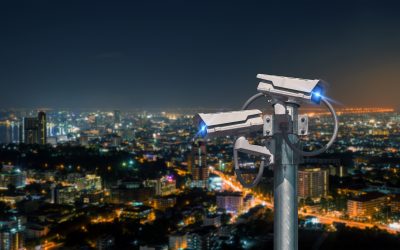
Review live and recorded footage during daylight and after dark. A camera may appear operational while glare, foliage, dust, spider webs or a changed furniture layout obscures the useful view. Check important approaches such as the front door, driveway and side access, without directing cameras unnecessarily into neighbouring private areas.
Confirm that recordings can be retrieved, the displayed time is correct and available storage matches the intended recording period. Run a normal user-level notification test and verify that alerts reach the nominated devices. Remote viewing and notifications may depend on power, internet, mobile coverage or a paid service, so understand what stops working during an interruption.
Confirm sensor lights and communications are working reliably
Test outdoor sensor lights after dark from ground level. Check that they activate on useful approaches and stay on long enough to support visibility, without being repeatedly triggered by vegetation, animals or passing traffic. Do not climb, open powered fittings or attempt electrical repairs.
Check the alarm panel, cameras, router and any communications equipment for fault indicators. Systems relying on a single communications path may stop reporting during an outage. Test any backup power or alternative reporting path according to its instructions. Arrange inspection of recurring faults, damaged equipment or unreliable connections early, rather than postponing them until departure day.
Create a clear access and response plan with someone you trust
Before you leave, arrange for a trusted contact who knows how to enter the property, operate the security system and respond if something looks wrong. Agree on these arrangements in advance and write down the essential steps. A clear plan reduces confusion during an alarm, delivery problem or maintenance issue, without giving more people access than necessary.
Provide secure access without leaving concealed spare keys
Give access directly rather than leaving a key under a mat, in a letterbox or elsewhere around the property. If the home has electronic access control or a smart lock, consider a separate temporary credential that can be limited or removed after the trip. Otherwise, hand over a clearly identified spare key and record who holds it.
Only provide access to the doors and areas the person genuinely needs. Explain how to lock gates, garages and secondary doors after each visit. Keys, remotes and codes should not carry an address or be passed to other people without your approval.
Explain how to handle alarms, deliveries and unexpected visitors
Where possible, set up a separate authorised code for the contact and show them how to arm and disarm the alarm with it. Confirm what common notifications mean and what to do if they trigger the system by mistake. Avoid sharing a master code when a separate user code can be created.
Set clear instructions for parcels, trades and unexpected visitors. Deliveries may be collected or moved out of view, but the contact should not admit an unverified person or confront anyone acting suspiciously. They should observe from a safe position, follow the agreed plan and contact emergency services if there is an immediate threat.
Keep emergency contacts and monitoring details current
If you use an alarm monitoring provider, check that it holds current contact details and the correct order for calling nominated people. Your trusted contact should know whether monitoring, a patrol response or direct homeowner notification applies, along with any agreed identification process.
Provide a concise contact list covering the homeowner, another authorised decision-maker and relevant property contacts. Include practical details such as the dates you are away, expected visitors and planned trades. Store monitoring account details securely rather than leaving them on display. When you return, collect physical keys and remove any temporary codes, credentials or permissions that are no longer needed.
Complete a final security check on departure day
A departure-day check confirms that the measures prepared before the trip are actually in place. Walk through the home and property methodically rather than relying on memory, and allow enough time to correct a missed lock, an inactive device or an unclear access arrangement before leaving.
Lock every entry point and secure keys, remotes and valuables
Check all external doors, accessible windows, garage doors, sheds, gates and pet access points. Include entries that are rarely used, such as a laundry door or side gate. Confirm each one is closed and locked, and note any damaged hardware that no longer secures properly.
Remove keys from visible or predictable locations. Secure spare keys, vehicle keys, garage remotes and gate controls so they are not left within easy reach. Keep valuables and portable items out of sight from windows.
Arm the alarm and confirm cameras and alerts are active
Arm the alarm using the normal departure procedure, then check that the system shows the expected status. A warning about an open zone, low battery or communication fault should be investigated rather than ignored. If the cause cannot be resolved safely, follow the system provider’s support process.
Confirm cameras are powered, recording and showing the intended views. Check that doors, driveways and other priority approaches have not been obscured by vehicles, foliage or moved objects. Where monitoring applies, verify that remote alerts reach the correct authorised users and that monitoring details remain current. Cameras and alarms support security only when an appropriate response plan is also in place.
Check that temporary access arrangements are limited and understood
Confirm who may enter while the household is away, why they need access and when that access should apply. House sitters, cleaners, pet carers or trades should receive only the key, remote, credential or code needed for their task. Avoid sharing one credential among several people where individual access can be assigned.
Make sure each authorised person understands how to lock up, operate the alarm and report a problem. Record who holds temporary access, and arrange for keys, remotes or permissions to be returned, cancelled or removed after the trip. A final message confirming dates, contact details and responsibilities can prevent misunderstandings.
Know what to do if you receive a security alert while away
A security alert requires a calm, planned response. Check the available information, follow the process arranged before you left and avoid sending an unprepared person into a potentially unsafe situation. Holiday security depends not only on detecting activity, but also on deciding who will assess it and what they are authorised to do.
Review the available information before assuming an intrusion
An alarm or camera notification does not confirm that someone has entered the property. Pets, insects, moving foliage, weather, deliveries, authorised visitors and equipment faults can all trigger alerts. Review the alert time, the affected zone, any camera footage and related notifications. Activity across several areas often gives more context than a single motion event.
- Confirm whether a trusted person, cleaner or tradesperson was expected.
- Check live or recorded camera views where available.
- Look for related door, gate, alarm or power notifications.
- Preserve relevant recordings rather than relying on memory or screenshots alone.
A lack of visible movement does not mean the property is clear. Camera coverage may be limited, obstructed or affected by darkness and glare.
Follow your monitoring, trusted-contact or patrol-response plan
If the alarm is monitored, follow the agreed control-room procedure and keep your contact details current. If a trusted contact or patrol service is part of the plan, give them the address, access arrangements and clear limits on what they should do. They should not confront an unknown person or enter where there are signs of forced entry. Contact emergency services when circumstances indicate an immediate threat or incident.
Avoid making unplanned changes to alarm settings or access permissions during an uncertain event. Changes can interfere with the established response and make later review harder.
Record recurring faults for professional inspection
Repeated alerts from the same sensor, camera or entry point may point to poor positioning, an obstruction, environmental interference, low power or ageing equipment. Record the date, time, affected device, weather conditions and what the system displayed. Note any communication or recording failure as well.
Do not simply disable a troublesome device for the rest of the trip. Arrange safe interim oversight where possible, then have recurring faults assessed and corrected by a suitably qualified security technician.
Avoid common holiday home security mistakes
Effective holiday security depends on several measures working together and being checked before the household leaves. Common mistakes include relying on one device, retaining unnecessary access permissions, delaying maintenance and overlooking communication failures.
Relying on one device instead of layered security
No single camera, alarm or lock can address every entry point and event. Layered security combines physical barriers, detection, visibility and a planned response. Locked doors and windows delay access, outdoor lighting improves visibility, cameras provide useful recorded information, and an alarm can trigger notifications or an agreed response.
Review the property as a whole. A well-covered front entrance does not compensate for an unsecured side gate, garage door or rear window. Each measure should support the others without creating the assumption that an alert or recording will prevent every incident.
Leaving unused credentials, keys or access codes active
Old keys, remotes, alarm codes and electronic credentials may provide access long after they are needed. Before travelling, review who can enter the home and why. Remove or suspend permissions for former cleaners, tradespeople, guests or household members who no longer require access.
Temporary access should be limited to the period and areas required. If a trusted person needs access, provide it securely and explain how to lock the property, operate the alarm and report anything unusual.
Skipping maintenance until the day of departure
Last-minute testing leaves little time to correct flat batteries, obstructed cameras, failed sensors, inaccurate device clocks or unreliable notifications. Check the system early enough for faults to be assessed without rushing. Confirm that scheduled servicing is current and that changes to furniture, landscaping or household routines have not reduced coverage. Leave technician-level repairs, powered equipment and work at height to a suitably qualified provider.
Ignoring power, internet or communication interruptions
Some security functions depend on mains power, internet access, mobile communications or a combination of these. An interruption may affect remote viewing, alerts, recording or monitored alarm signals, depending on how the system is set up.
Confirm which functions continue during an outage, whether backup power and alternative communication paths are provided, and how faults are reported. Test only through approved user controls or scheduled service procedures. If reliable operation cannot be confirmed, arrange an assessment before departure rather than assuming the system will remain connected.
Arrange a professional assessment when your current security has gaps
A security assessment is appropriate when existing measures no longer match the home, household or way the property is used. It can identify gaps that are easy to miss during a departure-day check and establish what should be repaired, repositioned, replaced or added before you rely on the system for holiday security.
When ageing equipment, renovations or household changes justify a review
Review your security equipment when faults become recurring, devices are no longer supported, or cameras and sensors provide unreliable coverage. Renovations can also alter sightlines, entry routes and internal movement. A new extension, fence, carport or outdoor entertaining area may leave a previously covered approach outside a camera’s field of view.
Household changes matter as well. New occupants, regular visitors, pet access, changed parking habits or different use of doors and rooms can make the original security design unsuitable. A review is also sensible if old keys, remotes or alarm codes remain in circulation, or if nobody can confirm who still has access.
What an assessment should examine across the home and property
A useful assessment considers the property as a whole rather than treating each device separately. Relevant points include:
- doors, windows, garages, sheds, gates and side access;
- alarm detection, arming arrangements and authorised users;
- camera positioning, image usefulness, recording and notifications;
- lighting, landscaping and physical obstructions that affect visibility;
- available power, cabling, internet and alternative communication paths;
- access for family, neighbours, cleaners, tradespeople or pet carers; and
- the response process for alarms, faults and unexpected activity.
The aim is not simply to add devices. It is to match detection, verification and response to realistic entry points and household routines.
What a clear upgrade or installation quote should include
A written quote should define the proposed equipment, quantities, locations and intended coverage. It should state whether existing devices, wiring or communications infrastructure will be reused, and identify any assumptions about installation access, power, internet availability or building work.
It should also separate installation, commissioning, user training, and monitoring or ongoing service requirements where applicable. Ask for exclusions, maintenance expectations, warranty information and options for future expansion. If the scope depends on signal conditions, cable routes or equipment compatibility, those matters may need to be confirmed on site before the final design and cost can be established.
Frequently asked questions
1. What should I check around my home before going on holiday?
Before travelling, check all external doors, accessible windows, garages, sheds, gates and pet access points to confirm they close and lock properly. Also review outdoor lighting, camera views, landscaping and any stored tools or equipment that could affect your home’s security.
2. How can I make my home look occupied while I’m away?
For better holiday security, arrange for mail and parcels to be collected, bins to be moved at their usual times and garden care to continue during longer absences. Automated lighting can also help when it follows realistic household routines rather than leaving one light on continuously.
3. Should I leave a spare key outside when I go on holiday?
No. The article recommends giving a trusted person access directly rather than leaving a key under a mat, in a letterbox or elsewhere around the property. Where electronic access is available, a separate temporary credential can also help limit access to the period it is actually needed.
4. What should I do if my home security alarm goes off while I’m on holiday?
Review the available information first, including the affected alarm zone, camera footage and any related door, gate, power or system notifications. Then follow your agreed monitoring, trusted-contact or patrol-response plan, and contact emergency services where the circumstances indicate an immediate threat or incident.
5. How early should I test my alarm and cameras before travelling?
Test your holiday security systems early enough to allow faults to be investigated and corrected before departure. Check alarm sensors, camera recording, notifications, outdoor lighting and communications rather than leaving testing until the day you travel.
Written by Sam Hayes
Details provided in this article are subject to change over time. Pacific Security Group is not liable for any errors, omissions, or updates that may affect accuracy.