Understanding the Importance of Building Security
With the rapid growth of cities like Brisbane, the need to improve your building’s security has never been more urgent. Ensuring the security of both residential and commercial buildings cannot be overstated. Here are some critical aspects of why building security is an absolute necessity and how recent incidents have shaped our approach towards safeguarding properties.
Why Is Building Security Essential?
Building security is fundamental to protecting what matters most. Though often overlooked, robust security measures play a pivotal role in protecting physical assets and ensuring the safety of occupants.
Protecting Physical Assets
When considering physical assets, think of security as your best line of defence in a multi-tiered approach to protecting what you value. Imagine a small business in South Brisbane. Their inventory, technology, and even sensitive customer data are stored within their premises. Without a comprehensive security system in place, these are vulnerable to threat actors who may see an opportunity in underprotected environments. Installing integrated alarm systems combined with access control not only deters potential theft but also provides invaluable peace of mind.
Data underscores the importance of these measures. A study by the Australian Institute of Criminology found that visible security systems reduce burglary risk by over 40%. This tangible benefit highlights why businesses and homeowners alike invest in solid security frameworks.
Ensuring Safety of Occupants
Beyond assets, the safety of occupants is a critical factor. Consider the occupants of a high-rise residential building in Fortitude Valley. For many residents, knowing their living space is protected by comprehensive security measures, such as surveillance and intercom systems, enhances their sense of security. This prevents unauthorised entry and ensures that in the event of an emergency, residents have quick access to emergency services.
When effectively implemented, safety measures create an environment where occupants can focus on their daily lives without the looming worry of security threats. The broader implication here is about fostering community trust and collective vigilance, crucial for making Brisbane a safer city for everyone.
How Recent Incidents Have Shaped Security Needs
Recent incidents have fundamentally reshaped the landscape of building security. The past decade has seen a significant shift in the nature of threats, requiring a more adaptive and comprehensive approach to improve your building’s security and resilience.
A noteworthy example occurred during the 2023 Brisbane Festival, when a high-profile security breach at a commercial complex heightened awareness across the city. This incident forced building owners and businesses to rethink security protocols, emphasising the need for systems that integrate real-time monitoring and rapid response capabilities. From this, the demand for advanced surveillance technologies equipped with AI analytics spiked, altering how security is perceived in urban spaces.
The integration of technologies such as motion-activated cameras and cloud-based security management has become essential for responding to these evolving threats with agility. The takeaway here is clear: as threats evolve, so must our strategies in protecting what’s important.
Case Studies of Security Breaches
Let’s look at real-world examples that bring home the importance of robust security measures. Take the 2022 breach at a retail chain’s warehouse located in North Brisbane. The breach occurred due to a lack of layered security measures. An opportunistic thief exploited the poor exterior lighting and the absence of surveillance cameras, resulting in significant theft.
In response, the business took decisive action. By deploying a comprehensive security system that includes perimeter sensors, advanced lighting solutions, and 24/7 monitoring, the warehouse now serves as a model for effective security implementation. Two years later, incidents have plummeted by 75%, clearly demonstrating the profound impact of a proactive security strategy.
Further east, a Riverfront Office complex recognised the importance of occupant safety following an internal security breach where access control vulnerabilities were exploited. The implementation of multi-factor authentication and biometric access controls ensured a more secure environment and restored confidence among tenants.
These real-world case studies exemplify that proactive, innovative, and integrative security solutions can significantly mitigate risks, reflecting the adaptability needed to meet today’s security demands. By learning from past incidents, we build a safeguarded path forward for both asset protection and occupant safety.
1. Comprehensive Risk Assessment
When it comes to protecting your building in Brisbane, a comprehensive risk assessment is indispensable. It functions as a blueprint, guiding us through vulnerabilities and directing us to bolster defences systematically. This isn’t merely about identifying obvious flaws but also about understanding the nuanced interactions between structure, technology, and human behaviour.
Evaluating Current Security Measures
Before enhancing your building’s security, it’s crucial first to evaluate the existing systems. This implies more than a cursory glance at what’s installed; it involves a thorough audit of the systems’ performance, integration, and coverage.
A well-run Brisbane office block recently undertook an audit of its aging security infrastructure. The audit found that although CCTV cameras were present, their positioning left blind spots, failing to cover key areas such as emergency exits and the rear entry. By repositioning these cameras and upgrading to those with better night vision, they significantly improved their surveillance reach. This example underscores how a critical evaluation can highlight gaps and inefficiencies.
Assessing Vulnerable Access Points
Access points are often the Achilles’ heel of a building’s security. Each entrance, exit, and restricted area needs a thorough assessment to ensure they are not easy targets for breaches. In Brisbane, property managers must consider local construction features, such as multi-level parking and shared atriums in commercial spaces.
The key is understanding which points are most susceptible to unauthorised access and how to reinforce them. Recently, a retail complex strengthened its perimeters by installing electronic locks that required both a keycard and a PIN for entry. This dual-factor authentication significantly reduced unauthorised access. It’s essential to embrace solutions that add layers of security without compromising convenience.
Identifying Potential Internal Threats
While external threats often garner most of the focus, internal threats can be equally damaging and often more challenging to detect. These aren’t just about malicious actions but also accidental breaches caused by human error or negligence.
For instance, a healthcare facility experienced data exposure because of employees accessing areas without proper clearance. Addressing this began with revamping their access control policies, segregating access by role and necessity, and providing awareness training sessions. By acknowledging and mitigating internal threats, businesses can prevent security nightmares before they occur.
Understanding the Building Layout
Visualising how employees and visitors interact with a building is crucial for implementing security solutions that are both effective and unobtrusive. The design and layout of a building can either amplify security efforts or hinder them.
A Brisbane-based manufacturing plant understood this well when undergoing renovations. By analysing workers’ movement patterns and supply routes, management installed barriers and strategically placed security personnel in high-traffic areas, facilitating a seamless yet secure flow of goods and personnel. Understanding a building’s layout helps deploy measures that are both strategic and practical.
Integrating Employee and Tenant Feedback
Lastly, don’t overlook the insights that employees and tenants offer. They are the ones interacting with the building daily and can provide invaluable perspectives on security concerns.
Consider this: a retail centre collected feedback from its storeowners, who expressed concerns about dark parking areas. By listening to this feedback, management installed motion-sensor lighting and increased patrol frequency, markedly improving after-hours safety. By valuing and integrating feedback, you build a security strategy that is both inclusive and comprehensive.
A comprehensive risk assessment aligned to your building’s needs ensures a proactive stance against threats, safeguarding assets, people, and peace of mind in Brisbane’s vibrant community. Each layer of evaluation, from systems to layout, plays a strategic role in the tapestry of comprehensive security.
2. Effective Access Control Systems
In Brisbane, where every corner is a vibrant mix of residential and commercial facilities, establishing a secure environment is important. Access control systems fortify buildings against unwanted entries, ensuring that only authorised personnel can reach specific areas. These systems modernise the way we approach physical security, offering both simplicity and innovation in protecting assets.
The Role of Access Control in Building Security
The essence of access control lies in its ability to manage who enters and exits a facility, ensuring the building’s integrity without compromising accessibility. Imagine a retail manager who seamlessly controls employees’ access to various parts of the store, reducing the risk of internal theft while maintaining operational flow. As businesses expand across sectors, from healthcare to hospitality, access control technologies offer adaptable and scalable solutions tailored to diverse needs.
Access control systems deter unauthorised access, thereby enhancing building security. By integrating modern access systems, Brisbane businesses and residences can track occupancy, manage visitor access, and maintain detailed access logs, which are invaluable for audits or in incident investigations. According to a report by ASIAL (Australian Security Industry Association Limited), businesses that implement comprehensive access control systems experience fewer security breaches.
Moreover, the impact of access control extends beyond physical security. These systems contribute to a better understanding of movement patterns within a facility, optimising space utilisation and enhancing overall operational efficiency. By investing in robust access control strategies, you position your facility not just as a safe space but as a smart, responsive environment.
Choosing the Right Access Control Technology
Selecting an access control technology is akin to tailoring a suit: it must be a perfect fit for your unique requirements. The city’s dynamic landscape requires flexible, innovative solutions that align with Brisbane’s diverse building infrastructure. Here, understanding the distinctions between different technologies becomes crucial.
Key Card Systems
Key card systems are an established cornerstone of effective access control. These systems operate through encoded cards that provide users with convenient, swipe-based entry to designated areas. For a commercial building in Brisbane’s CBD, key cards streamline employee access, replacing cumbersome keychains with sleek, pocket-friendly cards.
Emphasising flexibility, key card systems easily adapt to changing personnel. When an employee resigns, updating access is as simple as deactivating their card, thus eliminating the risk of lost or copied keys. Furthermore, data from a security institute indicates that buildings utilising key card systems report a significant decrease in unauthorised access incidents, highlighting their effectiveness in real-world applications.
Key card systems are not just about security; they also offer insights into building usage. Property managers can analyse access logs to make informed decisions about staffing and resource allocation, ensuring facilities operate efficiently and securely.
Biometric Access Control
Biometric access control represents the cutting-edge of security technology, leveraging individuals’ unique biological characteristics for authentication. From fingerprint scanners to facial recognition, these systems offer unparalleled security, reducing the likelihood of breaches linked to lost or stolen credentials.
Consider a high-security area within a Brisbane hospital: biometric systems ensure that only authorised medical staff can access sensitive areas, safeguarding patient data and controlling access to restricted zones. Research supports the efficacy of biometric systems, reporting significant reductions in security breaches when they are employed.
Biometrics not only secures premises but also enhances user experience by minimising the need for physical credentials. With the increasing sophistication of AI and machine learning, biometric systems continue to evolve, offering improved accuracy and speed, making them a forward-thinking choice for security-conscious businesses.
Smartphone-Based Entry
Imagine unlocking your office door with just a tap on your smartphone. This is the convenience of smartphone-based access control technology. This system aligns seamlessly with today’s mobile lifestyle, transforming smartphones into digital keys, a fit for tech-savvy professionals and bustling workplaces in Brisbane.
Smartphone-based entry is ideal for environments that prioritise convenience. Whether it’s a multi-tenant office building or a contemporary residential complex, such systems provide fluid access notifications while maintaining robust security protocols. Studies have shown that smartphone entry systems reduce administrative overhead, as there is no physical credential to manage.
Moreover, these systems integrate seamlessly with other smart technologies, providing enhanced control over building operations. Residents or employees can remotely manage access, fostering a culture of convenience and security that resonates with the modern ethos. By opting for smartphone-based access systems, you embrace Brisbane’s digitised future, ensuring your facilities keep pace with technological advancements while safeguarding what’s most important.
Investing in the right access control system means more than just security; it’s about smart operation and embracing technology that elevates your building’s stature. The choice of key card systems, biometric access, or smartphone-based entry should reflect the unique needs of your Brisbane facility, providing peace of mind and operational excellence with every use.
3. Advanced Security Monitoring Systems
Brisbane is where urban growth meets serene landscapes, and where the security of your building is not just about locking doors but about implementing advanced security monitoring systems that provide real-time insights and control. These systems are designed to offer an unparalleled layer of protection by integrating technology that deters threats while ensuring swift responses and comprehensive oversight. As we navigate through the facets of these systems, you’ll discover their profound impact on safeguarding residential and commercial properties in this vibrant city.
Importance of Monitoring in Real-Time
Imagine a property owner sitting in a comfortable café in South Bank, but with an eye always on their security feed. Real-time monitoring makes this possible, offering property owners the peace of mind that comes only with being fully informed at all times. In Brisbane, where security challenges can range from opportunistic theft to elaborate break-ins, having an immediate line of sight is crucial. Real-time systems enable instant notifications of irregularities, such as unauthorised access or environmental hazards, thereby significantly reducing response time and potentially preventing costly damage or loss.
Consider a local retail store benefiting from real-time monitoring. As a burglar attempts to enter after hours, the security system not only sounds an internal alarm but also sends live footage to the owner’s smartphone and alerts a security firm. This integration means quicker police dispatches and higher chances of thwarting the crime in progress. The value of this technology extends beyond just alerts, as constant monitoring enables actionable data tracking that can be leveraged to optimise security measures, such as identifying high-risk times and areas around your property.
Integrating CCTV Cameras
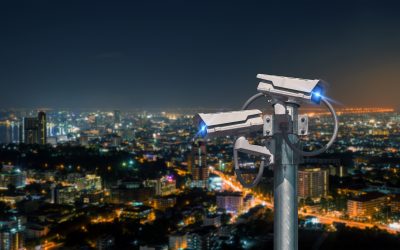
CCTV cameras serve as the watchful eyes of any security system. They’re not just devices tacked on walls; they are a testament to proactive security strategies. In Brisbane, the strategic positioning of CCTV cameras can mean the difference between a property that’s merely secure and one that’s invulnerable. Integrating CCTV cameras into your security monitoring system creates a visual blanket over all high-risk areas, such as entry points, car parks, and remote sections of a business premises, thereby acting as both a deterrent and an investigative tool.
Take, for instance, the story of a local boutique hotel that implemented a comprehensive CCTV solution. They strategically placed cameras around the property, including less obvious locations like the garden and under staircases. One night, an unwelcome visitor was captured on video, allowing hotel management to provide crisp, clear footage to the police, which led to the suspect’s apprehension. This case highlights the dual role of CCTV cameras: preventing attacks by simply being present and capturing evidence when an unfortunate situation occurs.
Additionally, modern CCTV systems offer more than just passive recording. With advancements such as AI-enabled analytics, CCTV systems can now actively identify suspicious behaviour or unauthorised access and send real-time alerts, facilitating preventive action. This transformation from passive observation to active surveillance ensures that property surveillance is not only detailed but also smarter and adaptive to dynamic threats.
Utilising Alarm Systems
Alarm systems remain a cornerstone of any reliable security setup. However, today’s systems are not just about blaring noises; they are smart integrations that connect various facets of a building’s security infrastructure to enhance response and management. In Brisbane, incorporating advanced alarm systems can substantially elevate the safety of both residential and commercial properties by seamlessly embedding itself into daily operations and readiness postures.
Think about a commercial complex with interconnected alarm systems that sync with surveillance cameras and access control mechanisms. When unauthorised entry is detected at one of the loading bays, this alarm does more than make noise. It triggers a cascade of actions, including activating camera surveillance in the area, locking down access points, and notifying security personnel via text alerts. This efficiency not only prevents further security breaches but also ensures minimal disruption to business operations by swiftly containing potential threats.
Alarm systems today also offer the ability to be customised and scaled to the specific needs of the property, taking into account factors such as size, daily visitor volume, and the type of assets housed within. This customisation ensures that alarms are not just deterrents but tailored solutions that address unique security challenges of any premises, significantly increasing both reliability and cost-effectiveness. By embracing these sophisticated alarm systems, Brisbane’s property owners can better protect their assets while enhancing operational efficiency.
In essence, advanced security monitoring systems are like a digital security fortress that constantly watches, listens, and responds, empowering you to live and work with tranquillity.
4. Enhancing Perimeter Defences
When considering the security of any property, a fortified perimeter is your first line of defence. For both residential and commercial buildings in Brisbane, it’s essential to ensure the perimeter serves as both a physical barrier and a psychological deterrent. A well-secured perimeter doesn’t just protect against potential intruders; it also projects an image of a highly fortified space that discourages any unwelcome intentions. Let’s look into two crucial aspects of enhancing your building’s perimeter defences: securing entry and exit points, and installing security fencing.
Securing Entry and Exit Points
Entry and exit points are the gateway to your property and therefore require particular attention. These points, including doors, gates, and even vehicle entrances, are where potential vulnerabilities often lie. For Brisbane’s business and residential communities, ensuring these access points are fortified can significantly reduce security risks.
Start with high-quality locks and electronic access control systems. For residential properties, deadbolt locks have long been a staple; however, modern smart locks offer a more sophisticated approach. They provide real-time alerts and can be controlled remotely, allowing for flexibility without sacrificing security. For commercial properties, access control systems can automate entry and exit logs, reducing the risk of unauthorised access. Think of it as having an automated doorkeeper who never takes a break.
Moreover, consider installing intercom systems that can double as a verification tool, ensuring only permitted individuals enter your building. Cameras strategically placed near these points can record and provide real-time monitoring. By integrating these systems, you’ll ensure that each entrance and exit is checked, verified, and logged, creating a robust front line against any intrusion attempts.
Installing Security Fencing
Security fencing acts as a formidable barrier while enhancing the aesthetic appeal of your property. While traditional fences may offer visual delineation of property boundaries, security fencing, designed with reinforced materials and anti-climb features, takes protection to the next level.
For homes in Brisbane, a well-designed fence can not only safeguard your assets but also enhance privacy, giving you peace of mind without compromising on style. In commercial settings, the benefits extend to controlling foot traffic, ensuring safety, and even directing visitors to official entry points. Colourbond steel fencing, for instance, offers robust security with the added benefit of weather resistance, an essential factor given Brisbane’s climate.
Security fences also serve a psychological purpose: they act as deterrents. A study by the Australian Institute of Criminology suggests that visible barriers can reduce the likelihood of criminal activity as offenders often target perceived vulnerabilities. A security fence tells potential intruders that you’re proactive about protection, which can be a more significant deterrent than it first appears.
Ultimately, by investing in high-quality security fencing, you’re taking a decisive step to fortify your property’s perimeter. It not only raises the bar for physical security but also elevates the sense of safety and integrity on your premises.
5. Effective Use of Lighting for Security
You might think of lighting as just a way to illuminate dark pathways or highlight architectural features, but in truth, it is a crucial element of any robust security strategy. Brisbane, with its vibrant urban life and growing landscapes, requires well-thought-out lighting plans that do more than merely brighten spaces; they deter unwanted activity. Properly employed lighting enhances visibility, discourages crime, and ultimately provides a sense of safety for both residents and businesses. By leveraging strategic lighting, you can transform your property into a well-secured haven that confidently stands against potential threats.
Advantages of Adequate Lighting
Imagine walking down a dimly lit alley versus a brightly lit street. The difference in perceived safety is palpable. Adequate lighting communicates a sense of vigilance and activity, both of which are key in thwarting criminal activity. Studies suggest that well-lit areas experience significantly reduced crime rates, as potential intruders are less likely to approach areas where they can be easily identified. Moreover, lighting improves security monitoring by enhancing the efficiency of surveillance cameras. Recorded footage becomes clearer, aiding in identifying suspicious activities or persons if an incident occurs. In the strata management sector, for instance, well-maintained lighting systems have been linked to improved tenant satisfaction and decreased vandalism reports.
Choosing the Right Lighting Solutions
Brisbane’s diverse environments call for tailored security lighting solutions. Choosing the correct type of lighting is crucial to ensure effectiveness without compromising on energy consumption or aesthetics. Consideration must be given to the purpose and positioning of each light source, ensuring they illuminate vulnerable access points such as parking lots, rear entrances, and side alleys. Practical applications often combine aesthetic and functional lighting, such as post-top fixtures or wall-mounted lights, which work seamlessly with landscape design while ensuring vital areas remain visible. Balancing these elements yields a cohesive security strategy that enhances both safety and property design.
Motion-Activated Lights
Motion-activated lights are the unsung heroes of security lighting. These smart lights conserve energy by only activating when movement is detected, alerting those nearby to potential intrusions in real time. In a typical Brisbane suburb, this could mean the difference between a thief proceeding with their plans or fleeing at the sudden burst of light. They are particularly effective in low-traffic areas, such as alleys or secluded backyards. Besides providing cost-effective security, the sudden illumination often startles and dissuades unwanted visitors, serving as an immediate deterrent while also notifying occupants of potential activity.
LED Lighting Options
With a commitment to environmental sustainability and efficiency, LED lighting is the preferred choice for both residential and commercial properties. LEDs offer remarkable benefits: they are energy-efficient, long-lasting, and provide a level of brightness that significantly enhances security coverage. These modern lighting solutions can be easily integrated into intelligent home systems, allowing property owners to manage lighting remotely, adjust brightness, and set schedules to suit varying security needs. Their adaptability extends to aesthetic design, available in multiple forms and colours that can accentuate architectural features while providing complete coverage. By deploying LED lights, you contribute to energy-saving initiatives while securing your premises in a reliable, future-proof manner.
Ultimately, when optimised, lighting does more than visually enhance a property. It fortifies your defence. By investing in the right lighting solutions, you empower your security strategy with a formidable layer of protection that is both cost-effective and tailored to the unique needs of Brisbane’s vibrant communities. This alignment with proactive security measures ensures peace of mind for all who call this diverse city home.
6. Building a Strong Security Culture
Embedding a robust security culture within your building is not just about installing the latest technology; it is about cultivating a shared commitment to safety among everyone involved. Security culture encompasses the attitudes, beliefs, and actions that define an organisation’s approach to security and requires the active participation of employees, tenants, and stakeholders. By fostering a comprehensive security ethos, buildings can deter threats more effectively and respond swiftly to incidents, thereby protecting people and assets alike. Here are key strategies to bolster your building’s security culture through training and vigilance.
Training Employees and Tenants
Training is the cornerstone of an effective security culture. By educating employees and tenants on best practices, procedures, and emergency protocols, you empower them to become frontline defenders of your premises. Start by implementing regular security workshops tailored to each group’s roles and responsibilities. For instance, a retail environment may focus on theft prevention techniques and emergency response, while an office setting might prioritise access control and data protection.
An impactful training program should include both theoretical knowledge and practical exercises. Real-world scenarios, such as simulated break-ins or fire drills, can prepare participants for a range of situations. Additionally, incorporating interactive elements, such as role-playing exercises, can improve engagement and retention. Employees and tenants who understand security risks are more likely to observe and report suspicious activities promptly, as they become more confident in their ability to respond appropriately.
Training should not be limited to initial sessions for new tenants or employees. Instead, offer ongoing learning opportunities to reinforce knowledge and adapt to the latest security trends. The International Facility Management Association reports that continual training can reduce security breaches, highlighting the value of an ongoing commitment to education. Regular feedback sessions can further enhance training effectiveness, enabling adjustments to address specific concerns or gaps.
Encouraging Vigilance and Reporting
Vigilance is a critical component of any security culture. By fostering an environment where attentiveness is the norm, a building can mitigate risks and deter potential incidents. To achieve this, it is crucial to create a culture of openness and trust, where all members feel comfortable reporting concerns without fear of repercussions. Implementing an anonymous reporting system can encourage more individuals to act when they notice something amiss.
In Brisbane’s rapidly growing urban landscape, where commercial and residential properties are bustling with activity, vigilance can be a simple yet powerful deterrent. Visible signage reminding occupants to report unusual behaviour serves as a consistent call to action. Beyond signs, consider regular communications via emails or newsletters that reinforce the importance of being observant and detail the protocols for reporting suspicious activities.
Empower individuals by acknowledging and rewarding those who demonstrate exemplary vigilance. Recognition can come in the form of verbal praise, written commendations, or even small incentives. This not only boosts morale but also motivates others to contribute actively to the security culture. A survey found that workplaces that recognised vigilant employees saw an increase in security incident reporting.
Ultimately, instilling a sense of communal responsibility ensures every individual understands their role in maintaining a secure environment. Through continuous engagement and empowerment, vigilance becomes second nature, turning each tenant and employee into an active participant in safeguarding the building.
7. Implementing an Intercom System
Incorporating an intercom system into your building’s security plan is like adding an extra layer of fortified communication. This is not just about a basic call-and-response setup. Think of an intercom as the modern-day gatekeeper, crucial in managing entry and ensuring that only authorised individuals have access.
Intercom systems are increasingly becoming a key component in Brisbane’s dynamic security environment. Building security isn’t only about keeping threats out; it’s about knowing who wishes to come in and when. An intercom acts as that discerning guardian at your front door, be it in a quaint suburban home or a sprawling commercial complex in the heart of the city.
From the hustle and bustle of Brisbane’s CBD to the serene vibes of suburban neighbourhoods, the feature-rich capabilities of intercom systems offer tailored solutions. These systems seamlessly fit into the busy lives of city dwellers and business owners, where quick decision-making and real-time communication are non-negotiable. An intercom ensures that a simple press of a button can avert a potential security breach, bridging the gap between physical presence and technological oversight.
Benefits of Intercom Systems in Security
Intercom systems offer a range of benefits that make them indispensable components of contemporary building security. Firstly, they significantly enhance visitor management. With an intercom in place, you can screen visitors without being physically present at the entrance. This is particularly valuable when you might be occupied elsewhere or managing other important tasks.
Furthermore, intercom systems serve as a deterrent to potential intruders. The mere presence of an intercom can make an unauthorised entrant think twice before trying to access the premises. Statistics affirm this, showing that visibly installed intercom systems can reduce attempted unauthorised entries by up to 50%, making them a highly effective preventive measure.
Lastly, intercoms help streamline internal communication. In commercial settings, they provide a convenient way to connect different departments or levels within a building without relying solely on phones or internal messaging. This ease of communication can lead to greater efficiency and an enhanced sense of security among staff and residents alike. For a city like Brisbane, where both residential and commercial buildings seek comprehensive security solutions, the adaptability and functional benefits of intercom systems cannot be overstated.
Types of Intercom Systems
Choosing the right intercom system depends on your building’s specific needs. While a variety of options exist, the main categories are audio and video intercoms. These systems cater to varying security needs and preferences, providing solutions that align with your specific requirements.
Audio Intercoms
Audio intercoms are the traditional choice, yet they remain profoundly effective. They enable clear voice communication between the entrance and the person receiving the call, providing a sense of connectivity and immediate access control. This type of intercom system is particularly valuable in environments where video feed might not be necessary or practical. Think of a small office setup or a heritage home in New Farm, where classic aesthetics are preferred.
The simplicity of installation and operation also makes audio intercoms appealing for those seeking straightforward functionality. They allow for easy expansion to other parts of the building, and their cost-effectiveness is a significant advantage for those on a tighter budget. Additionally, audio intercom systems can be integrated with other security features, like door sensors or automated locks, to enhance overall control efficiently and economically.
Video Intercoms
On the more advanced end of the spectrum, video intercom systems offer an added dimension of security. The inclusion of video enables visual verification alongside audio, making it a powerful tool for identifying visitors. This feature is especially beneficial for buildings that require heightened security measures, such as those in high-traffic areas like South Bank or Fortitude Valley.
Video intercoms also serve as an additional deterrent, as potential intruders know they are being recorded. These systems can be tied to cloud-based storage, offering footage that can be invaluable in incident investigations. Furthermore, integrating video intercoms with mobile devices gives residents and business operators the flexibility to manage access remotely, capitalising on the connectivity that Brisbane’s tech-savvy population values.
The presence of video capability means that not only are you hearing who is at your door but also seeing them. This can prevent all sorts of security concerns, from unauthorised access to packages left in unsafe areas. Video intercoms, with their sleek, modern designs, complement Brisbane’s contemporary architecture while ensuring that security remains unassailable and accessible.
Implementing an intercom system is a strategic move towards enhancing the security of any building in Brisbane. Whether opting for audio or video solutions, these systems offer critical advantages in access control and communication, perfectly aligned with the sophisticated needs of today’s urban environment.
8. Regular Security Patrols
Implementing regular security patrols is a dynamic way to reinforce building security. Unlike static measures, such as cameras or access control systems, patrols introduce a human element that actively surveys the environment. By patrolling strategic locations, security personnel can identify and address potential threats in real time, providing a layer of safety that complements technological solutions. Security patrols should not be viewed as mere afterthoughts but rather as integral components of a comprehensive security strategy.
The Role of Patrols in Deterrence
Imagine a bustling Brisbane commercial precinct, teeming with both legitimate visitors and those with nefarious intentions. In this setting, security patrols act as both a literal and figurative shield. Their visible presence serves as a deterrent to potential intruders and vandals, significantly reducing crime. A study conducted by the Australian Institute of Criminology found that areas with regular patrols experienced lower crime rates than those without patrols.
Patrols have a unique ability to adapt to various situations, making them an effective tool against potential threats. For example, during large events, strategically placed patrols can manage crowd control and ensure compliance with safety regulations. Their presence also provides building occupants and visitors with a sense of safety and assurance, knowing that immediate response is available should an emergency arise.
Moreover, beyond deterrence, patrols can assess less tangible threats, such as hazardous conditions that might lead to accidents. From spotting a broken window that may permit unauthorised entry to detecting fire hazards, proactive intervention by patrol agents mitigates risks before they manifest into significant issues.
Optimising Patrol Routes and Frequency
Efficiency in security patrols hinges on optimising routes and frequencies to effectively cover potential risk areas. Just as a pilot charts the optimal flight path to ensure safety and efficiency, so too should security supervisors design patrol routes that eliminate blind spots. In Brisbane’s diverse landscape, each building’s unique layout necessitates custom routes. Taking the time to strategically place patrols along high-risk areas, such as entry points, parking garages, and secluded corridors, ensures thorough coverage.
Equally important is the frequency of these patrols. During high-traffic periods, such as the start and end of the workday, increased patrols can deter opportunist crimes like theft or trespassing. Conversely, overnight or on public holidays, patrols can be intensified around entrances and perimeters, as these times often pose a higher risk of breaches.
Adopting technologies such as GPS and real-time reporting tools can further enhance patrol efficiency. Route optimisation software can guide personnel to adjust their patrol paths based on data, focusing efforts where they are most needed. As a case in point, a Brisbane-based logistics company using GPS-enabled patrol systems reported a 30% improvement in security incident response times, highlighting the effectiveness of integrating technology in patrol operations.
By leveraging strategic planning and technological support, building managers can ensure patrols are not only regular but also optimally effective in maintaining a secure environment. Overall, regular security patrols are a versatile tool for safeguarding any premise, offering both preventive and responsive capabilities to bolster security.
9. Collaborating with Professional Security Services
Ensuring that your building is impenetrable to security threats requires more than just basic measures. Collaborating with professional security services in Brisbane is a necessity. With crime rates fluctuating and the complexity of threats evolving, professional services offer a comprehensive safeguard for both commercial and residential properties. The integration of such services provides a multi-layered security approach that is both preventive and responsive. By partnering with professional experts, you ensure a robust strategy that protects your assets, builds trust among your tenants or employees, and integrates seamlessly with your building’s architecture.
Brisbane’s unique geographic and urban landscape presents specific challenges that professional services are well-positioned to address. For instance, the diverse nature of Brisbane’s neighbourhood safety trends, coupled with local regulations, calls for a nuanced approach. Professional security services use a combination of advanced technology, tailored security solutions, and local knowledge to provide protection that is both efficient and effective. The ultimate goal is not just to react to security incidents, but to deter them altogether.
Choosing the Right Security Company
Selecting the right security company is a vital step in fortifying your building’s security. This choice involves considering several factors beyond just the immediate need for protection. Firstly, it’s crucial to evaluate the company’s track record. Look for companies with a proven history of successful security implementations in Brisbane. Testimonials, case studies, and references can further corroborate a company’s expertise and reliability.
Next, consider the scalability and flexibility of their services. A top-tier security company should offer solutions that grow with your needs, whether you’re a small business owner or managing a large industrial complex. For example, as businesses expand, the demand for integrated security systems that offer seamless access control and real-time monitoring becomes more pronounced.
Additionally, local expertise is non-negotiable. A company well-versed in local laws and regulations will ensure compliance and optimal protection. Their familiarity with local crime patterns can offer invaluable insights for preemptive measures. Furthermore, consider their technological capabilities. Relevant companies should adopt cutting-edge technologies such as AI-driven analytics and mobile accessibility to enhance security.
Finally, transparent communication and a strong support system signify a reliable security company. Regular updates, open channels for feedback, and comprehensive support during emergencies are indicators of a company’s commitment to client security. Remember, the right security partner not only provides solutions but also becomes an integral part of your safety strategy, adapting as your needs change.
Advantages of Professional Security Services
Collaborating with professional security services offers numerous advantages that help streamline operations and enhance your building’s safety. Firstly, these services provide a higher level of expertise beyond standard security measures. With seasoned professionals handling the intricacies of security management, you can be confident that every aspect, from risk assessment to incident response, is conducted with precision and authority.
One significant advantage is the focus on proactive security. Professional services employ strategies that deter crime before it happens, utilising a combination of physical deterrents and cutting-edge technology. For instance, real-time security monitoring, combined with AI-driven analytics, enables instant threat detection and a swift response, significantly reducing the likelihood of successful criminal activity.
Professional security providers also offer efficiency in resource allocation. By outsourcing security needs, businesses can reallocate internal resources to focus on core activities, knowing that their security is in capable hands. This not only optimises operational efficiency but can also result in long-term cost savings.
Furthermore, professional services provide peace of mind. With around-the-clock monitoring and quick-response teams, you are always covered, even in the middle of the night or on public holidays. This comprehensive coverage ensures that both tenants and owners feel secure, fostering a stable and trustworthy environment.
Finally, the collaboration often leads to tailored security solutions. By understanding the specific needs and challenges of your building, these services can design security measures that align seamlessly with your operational requirements and aesthetics. This bespoke approach not only enhances security but also integrates with your building’s existing infrastructure without disruption.
In essence, partnering with professional security services transforms how you safeguard your premises, meeting both immediate security needs and long-term strategic goals.
10. Utilising Technological Innovations
The integration of technological advancements into your building’s security strategy is a necessity. These innovations offer robust protection tailored to our city’s unique urban landscape. Let’s explore the security technologies that redefine safety standards, ensuring peace of mind for residential and commercial property owners alike.
Adopting Smart Building Technologies
Imagine a building that intuitively adjusts its security measures to meet the dynamic demands of its environment. This is the essence of smart building technologies. Gone are the days of static security systems that require manual attention. Instead, we now have interconnected systems that provide seamless protection.
Smart building technologies leverage the Internet of Things (IoT) to connect a range of devices that ‘talk’ to each other, creating an adaptive security network around your property. For instance, sensors installed at entry points send real-time notifications to your smartphone, alerting you to any potential breach. This level of vigilance enables quick responses, helping prevent incidents before they escalate.
Consider a practical application within a commercial setting: a retail store manager in Brisbane uses a smart building system to monitor foot traffic during peak hours. The system adjusts lighting and activates additional surveillance cameras, ensuring comprehensive coverage when it’s needed most. This proactive approach not only enhances security but also optimises energy efficiency, aligning with Brisbane’s commitment to sustainability.
Moreover, using smart locks significantly enhances security. These locks provide encrypted digital keys, allowing only authorised individuals entry while maintaining a detailed access log for review. Such technology nullifies concerns over lost or duplicated physical keys, enhancing both security and convenience.
Trends in Security Technology
Staying ahead of the curve in Brisbane’s vibrant, forward-thinking environment requires awareness of emerging trends in security technology. In recent years, several noteworthy advancements have been gaining traction, shaping the future of building security.
The integration of artificial intelligence (AI) into security systems is transforming threat detection. Through machine learning algorithms, AI can now distinguish between regular activity and potential security threats with unparalleled precision. For instance, an AI-enhanced security system might identify unusual patterns of movement outside a business premises overnight. When a threat is detected, the system can initiate a response protocol, such as alerting security personnel or even contacting local law enforcement.
Biometric systems have also become more common, offering greater security than traditional access methods. By using unique physical characteristics, such as fingerprints or facial recognition, to grant access, residents and employees enjoy heightened security without the hassle of physical credentials. This system is particularly useful in high-traffic areas like Brisbane’s CBD, where securing sensitive locations is paramount.
Lastly, cloud-based solutions have emerged as game changers, enabling remote monitoring and control of security systems. These platforms provide flexibility, allowing property managers to oversee multiple locations from a single dashboard. This ease of management ensures comprehensive and efficient security, catering to the needs of modern urban facilities.
Incorporating these technologies into your building’s infrastructure not only strengthens security measures but also aligns with Brisbane’s progressive vision for a safer, smarter city. To maintain an edge, embracing these innovations is key, demonstrating a commitment to state-of-the-art security that speaks to both protection and peace of mind.
FAQs
1. How can I improve my building’s security without spending a fortune?
You can improve your building’s security on a budget by upgrading lighting, reinforcing entry points, installing basic CCTV cameras, and using smart locks. Affordable measures like motion-sensor lights and warning signage can also deter intruders effectively.
2. What are the best ways to improve a residential building’s security?
To improve a residential building’s security, start with secure access control, intercom systems, and monitored surveillance. Ensure entrances, car parks, and communal areas are well-lit and covered by cameras to enhance resident safety.
3. How do access control systems help improve your building’s security?
Access control systems improve your building’s security by limiting entry to authorised individuals only. Options like keycards, biometrics, or smartphone entry also track who comes and goes, offering both control and audit capability.
4. What technologies can improve your building’s security in 2025?
Advanced technologies such as AI-powered surveillance, smart locks, real-time alerts, and cloud-based monitoring systems can significantly improve your building’s security in 2025. These systems allow remote management and faster threat detection.
5. How does CCTV improve building security in commercial spaces?
CCTV improves building security by acting as a visible deterrent and capturing real-time footage for incident verification. In commercial settings, it also supports compliance and insurance claims while helping monitor high-traffic zones.
6. Can lighting improvements help improve your building’s security?
Yes, strategic lighting—especially motion-activated and LED solutions—plays a vital role in improving your building’s security. Proper illumination reduces hiding spots and enhances camera footage, making areas less attractive to intruders.
7. What legal requirements should I consider when improving building security?
When you improve your building’s security, ensure compliance with local privacy laws, especially regarding surveillance and tenant rights. In Australia, installing CCTV or access control systems must not infringe on occupants’ reasonable expectations of privacy.
8. How do you improve internal security threats in a building?
To improve your building’s internal security, implement strict access levels, audit staff permissions, and provide regular training. Internal risks often stem from human error or insider access, so awareness and policy enforcement are key.
10. What’s the first step to improve your building’s security?
The first step to improve your building’s security is to conduct a comprehensive risk assessment. This helps identify vulnerable areas, prioritise upgrades, and tailor solutions based on your building’s layout, usage, and threat profile.
Written by Sam Hayes
Details provided in this article are subject to change over time. Pacific Security Group is not liable for any errors, omissions, or updates that may affect accuracy.