Ensuring the security of your warehouse is paramount. The significance of robust warehouse security cannot be overstated. A secure warehouse not only protects valuable inventory from theft and vandalism but also safeguards the wellbeing of employees and ensures the smooth operation of business processes.
Poor security measures can lead to severe consequences, including financial losses, damage to your company’s reputation, and operational disruptions. Warehouses, by their nature, are prime targets for criminal activity due to the high-value goods they store. Without effective security protocols, businesses risk unauthorised access, inventory shrinkage, and potential harm to personnel.
This article delves into practical steps for improving your warehouse security. From implementing advanced surveillance systems to establishing stringent access controls, we will cover comprehensive strategies to fortify your facility. By adopting these measures, warehouse owners and managers can significantly reduce security risks, protect their assets, and maintain operational efficiency.
Key Elements of Warehouse Security
Access Control Systems
Access control systems are the cornerstone of effective warehouse security. These systems ensure that only authorised personnel can enter sensitive areas, significantly reducing the risk of unauthorised access and potential theft. By implementing keycard entry, biometric scanners, or electronic locks, warehouses can control who has access to specific zones within the facility.
The benefits of access control systems are manifold. They provide a clear record of who enters and exits the warehouse, which is invaluable for both security and operational audits. Furthermore, these systems can be easily integrated with other security measures, such as surveillance and alarm systems, to create a comprehensive security network. Restricting entry to authorised personnel not only protects valuable inventory but also enhances the safety of all employees by preventing potentially dangerous individuals from gaining access.
Surveillance Systems
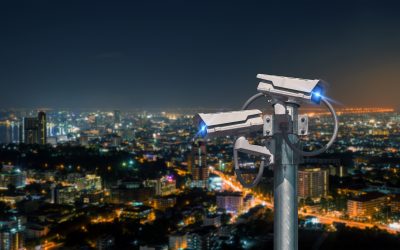
Surveillance systems are a critical component of any warehouse security strategy. The types of security cameras available today include Closed-Circuit Television (CCTV) and Internet Protocol (IP) cameras, each offering unique advantages. CCTV cameras provide continuous monitoring and recording, making them ideal for areas that require constant surveillance. On the other hand, IP cameras offer high-resolution images and can be accessed remotely, providing flexibility and enhanced image clarity.
Modern surveillance systems come equipped with advanced features such as facial recognition and license plate recognition. These technologies enable the identification of individuals and vehicles entering the premises, further bolstering security efforts. By strategically placing cameras throughout the warehouse, particularly in high-risk areas such as entry points and storage zones, managers can deter criminal activity and quickly respond to any suspicious behavior.
Alarm Systems
Alarm systems are essential for providing real-time alerts to potential security breaches. There are various types of alarms, including motion sensors and door/window alarms, each serving a specific purpose. Motion sensor alarms detect movement within a designated area, making them ideal for monitoring large, open spaces within the warehouse. Door/window alarms trigger when entry points are breached, providing immediate notification of unauthorised access.
The importance of professional monitoring services cannot be overstated. These services ensure that alarms are promptly responded to, with trained personnel ready to take appropriate action. This could include contacting local law enforcement or dispatching on-site security personnel. Professional monitoring adds an extra layer of protection, ensuring that any security breaches are swiftly addressed, thereby minimising potential damage and loss.
Common Warehouse Security Measures
Warehouse Security Cameras
Security cameras are a vital tool in deterring theft and maintaining overall security in a warehouse. Their mere presence can act as a strong deterrent to potential criminals, as they know their actions are being recorded. This visual deterrence is often enough to prevent many thefts and acts of vandalism.
When it comes to placement and coverage, strategic positioning of security cameras is crucial. Cameras should be installed at all entry and exit points, loading docks, and areas where high-value inventory is stored. It’s also beneficial to cover blind spots and less frequented areas to ensure comprehensive monitoring. Wide-angle lenses and pan-tilt-zoom (PTZ) cameras can provide extensive coverage, while high-resolution cameras can capture detailed images for better identification.
Effective Lighting
Proper lighting plays a significant role in preventing theft and ensuring the safety of both employees and inventory. Well-lit areas make it difficult for intruders to hide and carry out malicious activities without being detected. Additionally, adequate lighting enhances the visibility of security cameras, improving their effectiveness.
Recommendations for lighting setups include installing bright, even lighting across the entire warehouse, particularly in key areas such as entrances, exits, and around the perimeter. Motion-activated lights can provide additional security by drawing attention to any movement, thereby startling intruders and alerting security personnel. Regular maintenance of lighting systems is essential to ensure they function correctly and consistently.
Security Personnel
On-site security guards are a critical component of a comprehensive warehouse security plan. Their presence not only deters potential criminals but also provides immediate response capabilities in the event of a security breach. Security personnel can monitor surveillance systems, conduct regular patrols, and perform access control duties.
The roles and responsibilities of security personnel include monitoring and managing entry and exit points, checking identification, conducting security checks, and responding to alarms and emergencies. Security guards also play a vital role in maintaining a safe working environment for employees, as they can quickly address any safety concerns or incidents that may arise.
Fencing and Perimeter Security
Securing the perimeter of the warehouse is fundamental to preventing unauthorised access and protecting the facility. Fencing acts as the first line of defense, deterring intruders and directing them to controlled entry points where they can be monitored and screened.
Various types of fencing can be used, including chain-link, steel, and concrete barriers. For added security, consider using barbed wire or razor wire atop the fencing to prevent climbing. Additional measures such as installing gates with access control systems, motion sensors, and perimeter lighting further enhance the security of the warehouse perimeter. Regular inspections and maintenance of these barriers are essential to ensure their effectiveness and longevity.
Improving Security in Your Warehouse
Conducting Security Audits
Regular security assessments, or audits, are crucial for identifying potential vulnerabilities in your warehouse security system. These audits provide an opportunity to evaluate current security measures, ensuring they are effective and up-to-date with the latest standards and technologies. Regular audits can uncover weaknesses that might have been overlooked and allow for timely improvements.
Key areas to focus on during a security audit include access control systems, surveillance coverage, lighting, alarm systems, and perimeter security. Additionally, it’s important to review security protocols and procedures, ensuring they are being followed correctly. Auditors should also check for any new risks or changes in the environment that could impact security. Comprehensive audits not only enhance the security of your warehouse but also contribute to a safer working environment for employees.
Employee Training
Training employees is a fundamental aspect of improving warehouse security. Well-trained staff are better equipped to recognise and respond to suspicious activities, thereby preventing potential security breaches. Training programs should cover the basics of security awareness, such as identifying unusual behavior, handling security equipment, and following security protocols.
Best practices for using security equipment should also be included in the training. Employees need to understand how to properly use access control systems, surveillance cameras, and alarm systems. Regular refresher courses ensure that employees remain vigilant and up-to-date with the latest security practices. Engaging employees in security efforts fosters a culture of safety and vigilance, making the warehouse a more secure place overall.
Access Control Upgrades
Upgrading access control systems is an effective way to enhance warehouse security. Implementing biometric systems, such as fingerprint or facial recognition, provides a higher level of security compared to traditional keycards or passwords. These systems are difficult to forge and ensure that only authorised personnel can gain access to sensitive areas.
Using ID badges in conjunction with security gates further strengthens access control. ID badges with embedded RFID chips can be used to track entry and exit, while security gates ensure that each entry point is monitored and controlled. These upgrades not only improve security but also streamline access management, making it easier to monitor and regulate the flow of personnel within the warehouse.
Protecting Against Theft
Inventory Tracking Systems
Effective inventory tracking is crucial in preventing theft and ensuring the accuracy of stock levels. Implementing advanced inventory tracking systems helps monitor the movement of goods, making it easier to detect discrepancies and potential theft. Technologies such as Radio Frequency Identification (RFID) and Global Positioning System (GPS) tracking play a pivotal role in modern inventory management.
RFID technology allows for real-time tracking of inventory, providing detailed information about the location and movement of each item. This level of visibility helps in quickly identifying missing items and taking appropriate action. GPS tracking, while typically used for larger shipments, can also be employed to monitor high-value assets, ensuring they remain within designated areas. These technologies not only deter theft but also enhance overall inventory management efficiency.
Securing High-Value Items
High-value items require additional security measures to ensure their protection. Using security cages and locked storage areas within the warehouse can significantly reduce the risk of theft. These secure enclosures restrict access to valuable inventory, allowing only authorised personnel to handle these items.
Additional measures for protecting valuable inventory include installing surveillance cameras focused on high-value storage areas, using tamper-evident seals, and implementing stringent access control protocols. Regular audits and inventory checks help maintain the integrity of these security measures, ensuring that high-value items are consistently monitored and protected.
Entryway and Window Security
Reinforcing doors and windows is essential for preventing unauthorised access to the warehouse. Entryways and windows are common points of entry for thieves, making them critical areas to secure. Using impact-resistant materials for doors and windows can help withstand forced entry attempts, while high-quality locking mechanisms provide an added layer of protection.
Implementing additional security measures such as steel bars, security grilles, and shatterproof glass further enhances the security of entry points. Electronic access control systems, such as keypad locks and biometric scanners, can be installed on doors to regulate who can enter the warehouse. Regular maintenance and inspection of these security features ensure they remain effective in protecting against theft.
Advanced Security Technologies
Virtual Security Guards
Virtual security guards represent a cutting-edge solution for warehouse security. Utilising advanced technology, virtual security guards monitor the facility remotely through a network of cameras and sensors. These systems use artificial intelligence and machine learning to detect unusual activity and respond to potential security threats in real-time.
The benefits of virtual security guards are numerous. They offer 24/7 surveillance without the need for physical presence, significantly reducing labour costs. Additionally, virtual guards can monitor multiple locations simultaneously, providing comprehensive coverage. In the event of a security breach, they can quickly alert on-site personnel or local authorities, ensuring a rapid response. This cost-effective approach not only enhances security but also allows resources to be allocated more efficiently.
Environmental Controls
Integrating environmental controls into your warehouse security system adds an additional layer of protection. Environmental sensors can monitor conditions such as temperature, humidity, and air quality, which are crucial for maintaining the integrity of stored goods. These sensors alert management to any deviations from optimal conditions, allowing for prompt corrective actions to prevent damage.
Monitoring environmental factors is particularly important for warehouses storing sensitive or perishable items. Temperature fluctuations, excessive humidity, or poor air quality can lead to spoilage or deterioration of products. By using environmental controls, warehouses can ensure the longevity and quality of their inventory, reducing potential losses and maintaining compliance with storage regulations.
Cybersecurity Measures
In today’s digital age, securing your warehouse’s digital systems is just as important as physical security. Cybersecurity measures protect against data breaches, hacking, and other cyber threats that can compromise sensitive information and disrupt operations. Ensuring robust network security and implementing best practices for password management are fundamental steps in safeguarding digital assets.
Best practices for cybersecurity include using strong, unique passwords for all systems and regularly updating them. Implementing multi-factor authentication adds an extra layer of protection. Additionally, keeping software and systems updated with the latest security patches prevents exploitation of known vulnerabilities. Regularly training employees on cybersecurity protocols and awareness can further reduce the risk of cyber threats, ensuring that both physical and digital security measures work in tandem to protect your warehouse comprehensively.
Key Takeaways
Improving your warehouse security requires a comprehensive and layered approach to effectively protect your assets, employees, and operations. Here are the most important points to consider:
- Access Control Systems: Implementing robust access control measures ensures that only authorised personnel can enter sensitive areas, reducing the risk of unauthorised access and potential theft.
- Surveillance Systems: Utilising a mix of CCTV and IP cameras with advanced features like facial and license plate recognition provides continuous monitoring and enhances the ability to respond to security incidents.
- Alarm Systems: Installing motion sensors and door/window alarms, coupled with professional monitoring services, offers real-time alerts and swift responses to security breaches.
- Common Security Measures: Effective lighting, on-site security personnel, and securing the warehouse perimeter with fencing and additional measures like barbed wire create a strong first line of defense.
- Conducting Security Audits: Regular security assessments identify vulnerabilities and ensure current measures are effective, helping to maintain a secure environment.
- Employee Training: Training programs for recognising suspicious activities and properly using security equipment foster a security-conscious culture among employees.
- Access Control Upgrades: Biometric systems and ID badges enhance access control, streamlining the management of personnel movement within the warehouse.
- Inventory Tracking Systems: Technologies like RFID and GPS tracking help monitor inventory in real-time, reducing theft and improving stock accuracy.
- Securing High-Value Items: Using security cages, locked storage, and additional surveillance for valuable inventory prevents theft and ensures these items are well-protected.
- Entryway and Window Security: Reinforcing doors and windows with impact-resistant materials and advanced locking mechanisms fortifies potential entry points against unauthorised access.
- Advanced Security Technologies: Virtual security guards offer cost-effective, 24/7 surveillance, while environmental controls monitor conditions to prevent damage to stored goods.
- Cybersecurity Measures: Securing digital systems through strong password management, multi-factor authentication, and regular updates is essential to protect against cyber threats.
A comprehensive security strategy that combines physical, technological, and procedural measures is crucial for maintaining a safe and secure warehouse environment. By addressing each of these elements, warehouse owners and managers can significantly reduce risks, protect their assets, and ensure smooth, uninterrupted operations.
FAQs
1. Why is warehouse security important?
Warehouse security is crucial for protecting valuable inventory, preventing unauthorized access, and ensuring the safety of employees. Effective security measures help prevent theft, vandalism, and operational disruptions, which can lead to significant financial losses and damage to the company’s reputation.
2. What are the essential components of an effective warehouse security system?
Key components include access control systems, surveillance cameras, alarm systems, proper lighting, on-site security personnel, and secure fencing. Each of these elements plays a critical role in deterring potential threats and ensuring a safe environment.
3. How do access control systems enhance warehouse security?
Access control systems restrict entry to authorized personnel only, reducing the risk of unauthorized access and theft. These systems can include keycard entry, biometric scanners, or electronic locks, and they help maintain a record of who enters and exits specific areas.
4. What types of surveillance systems are best for warehouses?
Both Closed-Circuit Television (CCTV) and Internet Protocol (IP) cameras are effective for warehouse surveillance. CCTV cameras are ideal for continuous monitoring, while IP cameras offer high-resolution images and remote access. Advanced features like facial and license plate recognition enhance security further.
5. Why are alarm systems important in warehouse security?
Alarm systems provide real-time alerts to potential security breaches, enabling quick responses. Motion sensors and door/window alarms are common types that help detect unauthorized access or suspicious activity, often coupled with professional monitoring services.
6. How does lighting affect warehouse security?
Proper lighting deters criminal activity by making it difficult for intruders to go unnoticed. It enhances the visibility of security cameras and helps ensure that any suspicious activity is quickly identified. Key areas to light include entry points, perimeters, and storage zones.
7. What role do security personnel play in a warehouse security strategy?
Security personnel are vital for on-the-ground response to security incidents. They monitor surveillance systems, control access, conduct regular patrols, and can intervene during security breaches, providing a physical presence that deters criminal activity.
8. How can warehouses protect high-value items?
High-value items should be stored in secure areas like security cages or locked rooms with restricted access. Additional measures include using tamper-evident seals, enhanced surveillance, and regular inventory checks to monitor and protect these assets.
9. What are virtual security guards, and how do they work?
Virtual security guards utilize advanced technology to monitor warehouses remotely. They use a network of cameras and sensors, along with AI and machine learning, to detect unusual activity and respond to security threats in real-time. This system offers continuous surveillance without the need for on-site staff.
10. Why is cybersecurity important in warehouse management?
In today’s digital age, protecting warehouse management systems from cyber threats is as crucial as physical security. Cybersecurity measures prevent data breaches, hacking, and unauthorized access to sensitive information, ensuring that digital systems and data are secure.
These FAQs provide a comprehensive overview of the key aspects of warehouse security, helping users understand the importance and implementation of various security measures.
Conclusion
The importance of warehouse security cannot be overstated. Protecting your assets, ensuring the safety of your employees, and maintaining smooth operations are essential for any successful business. By implementing the comprehensive and layered security measures discussed in this article, you can significantly enhance the security of your warehouse.
From robust access control systems and advanced surveillance technologies to regular security audits and effective employee training, each measure plays a crucial role in creating a secure environment. Upgrading your access control, securing high-value items, and reinforcing entryways and windows further fortify your warehouse against potential threats.
Advanced security technologies like virtual security guards and environmental controls, combined with stringent cybersecurity measures, ensure that both physical and digital aspects of your warehouse are protected.
I encourage you to take proactive steps in implementing these security measures. By doing so, you not only safeguard your valuable inventory but also create a safer and more efficient working environment. Protecting your warehouse is an ongoing process, and staying vigilant with regular updates and assessments will keep your security measures effective and robust.
Investing in comprehensive warehouse security is investing in the longevity and success of your business. Take action today to secure your assets and ensure the smooth operation of your warehouse for years to come.