Understanding Strata Security
When you think of strata living, a vibrant community with shared spaces often comes to mind. However, behind the scenes, a critical component ensures this vision remains a reality: strata security. Efficient management and robust security solutions are paramount for safeguarding these collective habitats and providing peace of mind for both residents and property stakeholders.
What Is Strata Security?
Strata security refers to the integrated system of protective measures that maintains the safety and security of properties registered under a strata title. This encompasses residential buildings, commercial complexes, mixed-use developments, and even multi-level car parks. Unlike standalone homes or single-tenant commercial spaces, strata properties involve shared ownership and responsibility for common areas such as lobbies, gyms, and pools. Here, security must be comprehensive yet unobtrusive, seamlessly accommodating the diverse needs of the collective group.
In Brisbane, where urban development and strata living are on the rise, effective strata security is not just about installing a few cameras. It requires an expansive, multi-layered approach that integrates access control systems, surveillance solutions, and alarm mechanisms, all working in harmony. Picture a smart, automated system that communicates across all levels of the building, alerting relevant personnel swiftly in case of a discrepancy. For instance, using a smart intercom system that verifies visitors before granting access enhances both convenience and security for residents.
The defining feature of strata security is the ability to tailor solutions that cater to the unique architecture and environment of a specific property. Consider a Brisbane high-rise apartment complex with scenic river views. Here, a security solution might include strategically placed CCTV cameras to cover all entry points while ensuring privacy is respected. Advanced keycard systems control access to floors and specific areas, ensuring only authorised personnel can enter certain zones.
Key Challenges in Managing Strata Security
Navigating the terrain of strata security management in Brisbane poses its own set of challenges that require careful consideration and expert intervention. The foremost of these is the complexity of stakeholder interests. Property managers must harmonise the diverse security needs and expectations of residents, commercial tenants, and visitors, each with varying priorities and concerns.
Another significant challenge is keeping pace with technological advancements while remaining within budget constraints. As security technology evolves rapidly, the demand for state-of-the-art, integrated systems is more persistent than ever. A property manager’s role involves ensuring that systems are not only technically competent but also efficiently maintained, providing long-term reliability without incurring unnecessary costs. Regular upgrades and maintenance checks, combined with robust usage protocols, keep the system functioning optimally and avoid costly disruptions.
Neighbourhood dynamics and crime trends in Brisbane create another layer of complexity. It’s crucial to design security measures that respond to local crime statistics and the specific threats in the area. Imagine being able to swiftly adapt a system to address a rise in vehicle break-ins by enhancing parking area security with additional lighting and high-resolution cameras. For property managers, it’s about anticipating risks and preemptively addressing vulnerabilities before they can impact residents’ lives.
Lastly, compliance with local regulations and bylaws places additional responsibility on property managers. They must constantly ensure that all security measures are aligned with the latest legal requirements and best practices for strata living. This means the ongoing assessment and adjustment of policies to reflect changes in legislation, ensuring both compliance and the continued safety of residents and assets.
Effective strata security management is a delicate balancing act. It requires a strategic blend of innovative solutions, stakeholder engagement, fiscal responsibility, and compliance with local mandates. By prioritising a cohesive, adaptable security strategy, property managers can indeed turn the challenges of managing strata security into opportunities to create resilient, thriving communities.
The Importance of Integrated Security Systems
Managing multiple security systems can be a daunting task for property managers, especially in a thriving city like Brisbane, where both residential and commercial environments present unique challenges. An integrated security system bridges the gap between complexity and efficiency, offering a unified solution that enhances security management.
Benefits of an Integrated Approach
An integrated security approach is akin to having various instruments in an orchestra play in harmony, creating a more cohesive and effective performance. By consolidating different security functions, such as surveillance cameras, alarms, and access controls, property managers can streamline operations and significantly improve oversight.
Firstly, integration simplifies management. With a centralised platform, you only need to interact with one interface, reducing confusion and the margin for error. Imagine trying to manage your calendar with three different apps; it’s inefficient and prone to miscommunication. Similarly, separate security systems require separate logins, separate training, and increase the risk of oversight.
Secondly, it enhances situational awareness. A well-integrated system processes real-time data from various security components, offering a comprehensive view of the property. For instance, if an alarm is triggered, you can instantly pull up relevant camera feeds, assess the situation, and take timely action.
Finally, cost-efficiency cannot be overlooked. While the initial investment might seem steep, integrating systems reduces long-term operating costs by consolidating maintenance, training, and support. Industry research by SIA members indicates that integrated systems can lower the total cost of ownership (TCO) by up to 33% through streamlined operations and reduced hardware footprints. This saving is significant for property managers who need to justify budget allocations efficiently.
How Integration Enhances Security
Integrating security systems does more than streamline management processes; it fundamentally elevates the level of security you can provide to your tenants or business operations. Like the Brisbane River connecting discrete areas of the city, an integrated security system links different data streams into one comprehensive security network.
The primary advantage lies in enhanced response and resolution capabilities. Integration enables property managers to quickly assess and verify threats by providing immediate access to relevant data. For example, if a security patrol detects suspicious activity, surveillance footage can be quickly cross-referenced to evaluate the threat, ensuring a swift response.
Integration also fosters proactive rather than reactive security measures. By continuously monitoring and analysing data across multiple security layers, integrated systems can identify patterns, enabling property managers to address vulnerabilities before incidents occur. This proactive approach is crucial in Brisbane’s urban setting, where preventative measures are key to maintaining safety.
Additionally, the tenant and user experience improves remarkably. With integrated systems, access control can be seamlessly managed with a single credential, reducing complexity for the end user. This feature enhances convenience and reinforces the perception of a secure environment, which is especially important for commercial properties where tenants may be vetting potential venues based on security features.
Embracing an integrated security system transforms how property managers oversee their environments, ensuring robust protection tailored to the diverse needs of Brisbane’s residential and commercial properties. Security excellence is achieved when property managers equip themselves with tools that not only protect but also innovate, providing an unparalleled peace of mind.
Layered Security Solutions
In Brisbane, security isn’t about a single line of defence. It’s about creating a comprehensive web of protection that leaves no gap exposed. This concept is embodied in what we call layered security. For property managers, particularly those managing strata properties, this approach not only provides peace of mind but also enhances the overall efficiency of managing large residential complexes.
Layered security solutions integrate multiple physical security measures, ensuring a cohesive, robust defence against potential threats. By combining access control, surveillance, and monitoring systems, property managers can effectively safeguard assets, ensure resident safety, and maintain a trusted environment.
What Is Layered Security?
Think of layered security as an onion, with each layer reinforcing the others to deter, detect, and delay potential intrusions. At its core, this strategy leverages multiple security measures, ranging from physical barriers to technology-driven solutions, each with a distinct function that works in unison to protect the premises.
This comprehensive approach starts with visible deterrents. For example, well-placed surveillance cameras serve as a formidable first line of defence. Statistics suggest properties with visible security cameras experience markedly reduced incidents of unauthorised access and vandalism. Next, access control systems refine this foundation, ensuring that only authorised individuals can enter specific areas, thereby reducing internal threats.
For example, keyless entry systems that utilise card readers or mobile verification can be employed. These technologies offer flexibility, especially in highly dynamic environments such as residential complexes, where tenant turnover is common. Further, strategic lighting and perimeter fencing contribute additional layers of deterrence and physical barriers, fortifying these defence measures.
Behind the scenes, alarm systems serve as the reactive layer. They alert security personnel and prompt a swift response when a breach is detected. Meanwhile, security patrols add a dynamic, unpredictable element that can address threats and maintain a constant state of vigilance. Each layer is critical, intertwining seamlessly to form a web of security that’s as formidable as it is flexible.
Implementing Layered Security in Strata Management
For property managers in Brisbane overseeing strata developments, implementing layered security solutions means embracing both technology and strategy. Understanding that each strata property is unique, managers need to tailor their security solutions to meet specific requirements and risks.
Firstly, detailed security risk assessments are pivotal. These evaluations identify vulnerabilities, enabling property managers to strategically prioritise security investments. For instance, high-traffic entrances require robust access control systems, such as biometric scanners, that provide enhanced security while maintaining ease of access for residents and approved personnel.
Multi-layered surveillance is then applied, using high-definition cameras with remote viewing capabilities. This not only deters crime but also allows managers to monitor and respond in real time. Coupled with 24/7 monitoring services, this layer ensures any anomalies are addressed promptly, further promoting a sense of safety among residents.
Finally, integrating a security management platform can unify these systems, providing property managers with a streamlined way to monitor and control security aspects from a single interface. It’s an investment in efficiency and security that ultimately reduces operational headaches and increases response effectiveness.
By adopting a layered security model, property managers can create safe, secure, and serene living environments for their residents. This detailed approach to strata management not only safeguards properties but also elevates the quality of life, instilling a sense of community trust and protection. In Brisbane, where security doesn’t come at the cost of compromise, layered solutions stand as the gold standard for building resilient defences.
Security Systems for Strata Properties
In the heart of Brisbane, strata properties are a unique breed, teeming with design and functional diversity. These multi-unit residential and commercial properties require robust security solutions that provide peace of mind for residents and stakeholders alike. Managing security across such dynamic environments demands not just vigilance but also a nuanced understanding of the best security systems available.
Types of Security Systems
Strata properties stand to benefit immensely from a strategic combination of security solutions. Each component of a security system plays a distinctive role, working together to form a comprehensive safety net. Here’s how different types of systems contribute to strata security.
Access Control Systems
Imagine access control systems as the gatekeepers of your property. These systems allow you to determine who enters and exits, enabling you to monitor and manage access effectively. In Brisbane’s strata properties, they have become indispensable due to their ability to offer a tailored, user-friendly interface for property managers. Implementing access control systems transforms key management into a sophisticated process where access cards, fobs, or biometric identifiers replace traditional keys.
Case in point, a leading Brisbane apartment complex integrated a keyless entry system that leveraged mobile technology. This not only enhanced security by mitigating the risks associated with lost keys but also improved convenience for residents, who now have access at their fingertips via smartphone apps.
Intercom Systems
Think of intercom systems as the primary line of communication in a secure environment. In strata properties, they serve not just as a pathway for entry requests, but as real-time communicators between various units and the main entry points. Modern video intercoms enhance security by allowing occupants to see callers before granting access, effectively acting as a first layer of defence.
A prime example comes from a Brisbane commercial property that upgraded to an IP video intercom system, which enabled secure communication while offering the versatility of remote operation via mobile devices. This upgrade streamlined visitor management and fostered a greater sense of community by ensuring that all entries could be safely monitored and controlled.
Surveillance Cameras
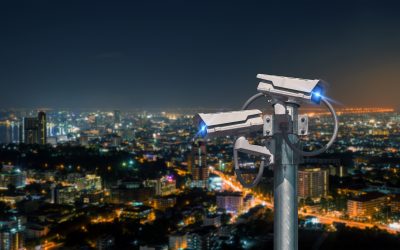
Surveillance cameras are the watchful eyes of any security setup. For strata properties, they play a pivotal role in monitoring common areas, entrances, parking lots, and corridors. These devices not only deter potential incidents but also provide invaluable recorded footage for reviewing any suspicious activity.
Consider a scenario in which a Brisbane residential complex significantly reduced instances of vandalism and unauthorised access after deploying a network of strategically placed CCTV cameras. The addition of intelligent analytics that can automate incident alerts further amplified their vigilance and response efficiency.
Alarm Systems
Alarm systems are the attention-grabbers, swiftly alerting property managers of unusual activity. In strata settings, these systems are critical for alarming occupants and deterring would-be intruders. Today’s alarm systems are more than just loud noises; they are sophisticated machines equipped with sensors that protect against break-ins, and some are also designed to notify of fire and life-safety concerns.
In one of Brisbane’s mixed-use buildings, integrating a smart alarm system that collaborated with emergency services dramatically improved response times, ensuring the safety of residents and their property.
Emerging Trends in Security Systems
As strata properties become more complex, so too do the security systems that protect them. Staying ahead of the curve requires embracing emerging trends that enhance safety and efficiency. One trend significantly impacting the industry is the integration of artificial intelligence in security systems. AI acts as an advanced ally, providing real-time threat assessments and reducing false alarms by learning patterns and behaviours within the strata property.
Furthermore, the rise of IoT (Internet of Things) technology has created interconnected security ecosystems. This interconnectedness not only facilitates seamless operation and monitoring but also offers enhanced data collection for predictive analytics, informing proactive security strategies.
Another trend gaining ground is the focus on environmentally sustainable security solutions. As Brisbane’s strata properties move towards greener practices, energy-efficient security systems, such as solar-powered surveillance cameras, are being adopted to reduce carbon footprints while maintaining high security levels.
Understanding and utilising the right security systems is vital for the safe and efficient management of strata properties. By embracing both tried-and-true methods and cutting-edge trends, property managers can ensure a fortified environment, safeguarding their communities and assets with precision and foresight.
Access Control in Strata Properties
Security management in strata properties presents unique challenges, as property managers must balance the needs and expectations of diverse residents and tenants with the necessity of robust security. At the heart of effective security management lies access control, a system that governs who can enter the premises and when. While the basic principle of access control is straightforward, its execution in a strata setting requires thoughtful consideration and strategic planning.
Strata properties, prevalent in Brisbane’s urban landscape, must cater to a mix of residential, commercial, and visitor access. This multifaceted environment not only necessitates the implementation of reliable access control systems but also ongoing management to adapt to the community’s evolving needs.
One pertinent example is a multi-level residential complex in Brisbane’s inner-city district. Recognising the need for advanced security, the building’s property managers integrated cutting-edge access control solutions that fostered trust and satisfaction among residents. The system uses key fob technology and mobile app access, enhancing user convenience while ensuring that entry points remain secure at all times.
Research shows that strata properties employing advanced access control measures experience a marked reduction in unauthorised access incidents. A study by the Australian Institute of Criminology found that 49.1% of burglars are deterred by any working alarm, including electronic access control systems.
To ensure effective access control, property managers must proactively review and update security protocols. The integration of contemporary solutions such as biometric scanners, smart locks, and cloud-based management platforms can further enhance security without compromising accessibility. By carefully assessing the specific needs of their property and residents, managers can design a tailored strategy that optimises both security and convenience.
Effective Access Control Strategies
Implementing effective access control strategies in strata properties involves more than installing the latest technology; it requires a holistic understanding of the environment and its unique security challenges. Here, strategic planning and execution play critical roles in maintaining a secure, harmonious living environment.
A cornerstone of successful access control is the deployment of layered security measures. These involve multiple barriers to entry, each adding a layer of protection. For example, a Brisbane-based residential complex installed CCTV cameras, intercom systems, and smart card access readers at various entry points. This multi-layered approach drastically reduced unauthorised access and provided peace of mind for its residents.
Incorporating access control data analytics is another powerful strategy. These systems provide valuable insights into movement patterns within the property. For instance, identifying peak entry times enables managers to adjust protocols, optimising the flow of people and mitigating potential security risks during high-traffic periods.
Periodic training and awareness programs for residents and staff are also essential. They ensure everyone understands their role in maintaining security. Through regular updates and educational sessions, the community becomes an active participant in the overall security strategy, fostering a culture of vigilance and responsibility.
Ultimately, effective access control strategies require continued evaluation and adaptation. By keeping abreast of the latest technology and industry practices, property managers can remain at the forefront of security solutions, ensuring a safe and accessible environment for all.
Balancing Security and Convenience
Balancing security and convenience in strata properties requires a delicate yet pragmatic approach. While robust security is paramount to safeguarding residents’ safety and assets, convenience is equally important to ensure tenants’ satisfaction and ease of living. Striking this balance is crucial in creating a harmonious living environment.
Advanced technology offers solutions that effectively address both aspects. For instance, using mobile access credentials allows residents to enter their homes simply with their smartphones, eliminating the need for key fobs or cards that could be lost or forgotten. This not only enhances security through authentication features but also simplifies access for residents on the go.
Time-sensitive access controls can tailor entry permissions to specific circumstances. A practical example involves service personnel or delivery agents. By granting temporary access during predetermined time windows, property managers ensure that essential services can be delivered without compromising the building’s security.
In a city like Brisbane, the integration of visitor management systems further illustrates how convenience can coincide with stringent security. These systems allow residents to pre-authorise visitors using mobile apps. When visitors arrive, automated systems notify residents, who then grant access, securing the premises while simplifying guest entry.
For property managers, ongoing communication with residents is essential to mastering this balance. Understanding residents’ needs and feedback informs necessary adjustments to access controls, ensuring that security features align with the community’s lifestyle. By keeping the lines of communication open and prioritising both safety and ease, managers of modern strata properties in Brisbane can achieve a harmonious coexistence of security and accessibility.
Intercom Systems for Multi-Unit Dwellings
Intercom systems have become indispensable in multi-unit dwellings, offering both convenience and security. For property managers in bustling Brisbane, these systems not only facilitate seamless communication but also act as a formidable deterrent against potential security threats. Picture an intercom as the front-line sentry at a castle’s gate. It controls access, verifying identities, and ensuring only authorised entrants cross the threshold. From residential apartments to commercial complexes, selecting and integrating the right intercom system can significantly enhance security and improve tenant satisfaction.
Choosing the Right Intercom System
The choice of an intercom system hinges on several crucial factors, each pivotal in ensuring its effectiveness. Property managers must first consider the specific needs of the building and its occupants. For example, in a high-rise residential apartment often home to hundreds of tenants, a system with robust audio-visual capabilities may be preferable. These systems enable tenants to visually verify visitors’ identities before granting them access, providing an added layer of security.
Smart intercom features, such as mobile integration, have revolutionised the traditional concept of security and access control. They empower residents to control access through their smartphones, no matter where they are. Imagine a property manager who can grant a plumber access even while enjoying a weekend off-site, a scenario made possible by cloud-based intercom functionality. Additionally, in Brisbane’s diverse property landscape, weatherproof systems prove invaluable, resisting the elements well, from hot summer days to unexpected storms.
Budget constraints naturally form a boundary within which managers must operate. However, a well-researched investment in an intercom system pays dividends in tenant security and satisfaction. Industry research from property management experts and security analysts (such as SafeHome.org) suggests a strong link between modern building security, like video intercoms, and increased tenant satisfaction and retention. Tenants appreciate the simplicity and security these systems provide, ultimately favouring properties equipped with modern, user-friendly technology. Thus, it’s not just a purchase; it’s a strategic investment in the property’s future success.
Technology Advancements in Intercom Systems
Modern advancements in intercom technology have completely transformed the landscape of property security, much to the delight of forward-thinking property managers. Enhanced audio-visual intercoms, such as those incorporating high-definition video feeds, represent one significant leap. Imagine being able to see visitors in clear, crisp detail before allowing them to access your premises. This clarity ensures mistaken identity becomes a thing of the past, enhancing overall security.
Smart intercom systems are gaining traction, particularly those employing artificial intelligence to automate access control protocols. These cutting-edge systems can learn patterns, recognise frequent visitors, and suggest user-defined access routines. Picture a regularly visiting courier whose face is catalogued by the system, allowing near-instant access and avoiding continual interruptions to residents. It’s a wise blend of security and convenience, tailored for today’s fast-paced lifestyles.
Adaptation to voice recognition technology is another noteworthy development. Picture a system capable of recognising a service person’s voice, providing a secure and efficient way to handle routine deliveries. These systems seamlessly integrate with existing building security infrastructure, offering Brisbane property managers a unified, streamlined approach to security. Ultimately, these advancements are not just gadgets; they represent a robust shield against potential threats while opening up new opportunities for efficiency.
In Brisbane, embracing these technologies will empower property managers not only to meet but also to exceed tenant expectations. The foresight to integrate these advancements can set buildings apart in a competitive market, attracting and retaining tenants who prioritise safety and modern living standards. Embracing innovation not only safeguards the premises but also positions managers as forward-thinkers and leaders in an industry ripe for technological advancement.
Managing Security Patrols
When it comes to safeguarding residential and commercial properties in Brisbane, effective security patrol management is vital. Not only do these patrols serve as a physical deterrent against potential threats, but they also provide reassurance and peace of mind to property owners and tenants alike. By understanding the roles and responsibilities of security patrols and how to optimise patrol routes, property managers can enhance their properties’ security in a cost-effective, methodical manner.
Roles and Responsibilities of Security Patrols
Security patrols in Brisbane are not mere figures patrolling the premises; they are the backbone of proactive threat management. Their primary role is to safeguard the property through thorough, frequent inspections. They verify the integrity of entry points and monitor areas for suspicious activities. In doing so, they not only prevent incidents but also ensure an immediate response in the event of a security breach.
Their responsibilities extend beyond vigilance. Security personnel often serve as the first line of communication during an emergency. Take, for example, a situation at a commercial retail space in Brisbane’s bustling CBD, where a security patrol enacts emergency protocols by efficiently coordinating with local law enforcement during an attempted break-in. This quick action underscores their readiness to handle incidents with professionalism and poise.
Security patrols also play an educational role, liaising with property management to enhance security awareness among tenants and employees. By conducting safety drills and workshops, they foster a collaborative security culture. A prime example is how, in Brisbane’s suburban communities, patrols facilitate regular interactions with residents, offering insights and updates on security measures. Empowering tenants with knowledge enables the community to act as a cohesive unit to recognise and report threats.
Optimising Patrol Routes
Choosing the path for security patrols requires strategic planning. Efficient routes not only ensure thorough coverage but also minimise response times in emergencies, which is crucial in Brisbane’s varied geography, from its vibrant cityscape to the more suburban locales.
To optimise patrol routes, property managers should begin by conducting a comprehensive risk assessment. Using data-driven insights, identify and prioritise areas with the highest risk of incident occurrences. Incorporating these insights, security analysts in Brisbane have found that routes that strategically cover these high-risk zones reduce incident rates by up to 35%.
Patrols must also be adaptable. Consider the influx of people and activities during major events like Brisbane’s Riverfire Festival. Adjusting patrol routes to account for increased foot traffic and potential security threats is vital to maintaining order and safety during such high-profile occasions.
Furthermore, investing in technology, such as GPS tracking and real-time route adjustments, can significantly enhance patrol efficiency. For instance, integrating mobile patrol software enables security teams to dynamically adjust their routes based on live data feeds and alerts, ensuring prompt action where needed. Such capabilities are invaluable in rapidly changing urban environments like Fortitude Valley’s nightlife precinct, where the ability to quickly re-route can thwart potential disturbances.
Ultimately, optimising patrol routes is about combining human insight with technology to protect properties effectively. Successful implementation results in a harmonious balance in which time, resources, and technology converge to ensure security patrols are not just a reactive force but a proactive guardian, integral to Brisbane’s security landscape.
Security Monitoring for Strata Living
As the heartbeat of any sophisticated security framework in strata living, security monitoring is much more than an extra pair of eyes. Imagine strolling through Brisbane’s vibrant urban scenes with peace of mind, knowing that robust systems unfailingly guard the intricate web of communal spaces and private residences. Strata property managers must prioritise seamless, round-the-clock surveillance to cultivate a secure, harmonious environment for residents.
The bustling, cosmopolitan essence of Brisbane neighbourhoods makes efficient security monitoring paramount. With the city’s diversified living spaces, managing security in strata communities is no small feat. Yet seeing buildings as interconnected ecosystems where security systems communicate in real time provides a holistic approach to safety. By leveraging cutting-edge monitoring technologies, strata managers can proactively address risks and respond swiftly to incidents, enhancing residents’ overall quality of life.
24/7 Monitoring Services
Round-the-clock monitoring is akin to having a vigilant guardian who never sleeps, tirelessly safeguarding the premises against potential threats. In Brisbane’s strata-living environments, 24/7 monitoring services are indispensable, providing continuous surveillance of common areas, car parks, and entry points. These services employ dedicated teams and state-of-the-art technologies to detect incidents before they escalate into significant safety breaches.
Imagine a scenario where a late-night reveller inadvertently triggers an alarm. With 24/7 monitoring, the situation is analysed immediately. This rapid assessment allows for distinguishing between false alarms and genuine risks, directly shaping how swiftly and effectively an appropriate response can be mobilised. This not only reassures residents but also minimises disruptions within strata communities, maintaining an atmosphere of assurance and calm.
Furthermore, tailored security protocols ensure that the unique needs of each strata property are met. Whether it be additional surveillance during festivals or routine checks on vacant units, proactive monitoring adapts seamlessly to the lifestyles and rhythms of Brisbane’s ever-growing urban societies. The enhanced sense of security these services offer fosters resident trust, positioning your community as a desirable, forward-thinking place to live.
Integrating Monitoring with Other Systems
Integrating security monitoring with other systems solidifies strata living as a cohesive, intelligent unit. In Brisbane’s high-density residential areas, interconnectivity is not just a luxury but a necessity.
By integrating monitoring with access control systems, CCTV, and intercoms, property managers unlock a fortified network that performs multiple functions simultaneously. For instance, a resident accesses building facilities using a personalised access card, triggering real-time monitoring notifications. This not only verifies identities but also creates a seamless record of building activities, enhancing transparency and accountability.
Instances of unauthorised entry or equipment failure are flagged instantly across integrated platforms, enabling swift rectification before they become larger issues. It brings the promise of proactive management, minimising downtime and potential vulnerabilities. Moreover, having these integrated systems means that data is centralised and accessible, facilitating faster response times and informed decision-making.
The synergy of these systems revolutionises strata management, offering an intelligent security ecosystem. Residents not only experience peace of mind but also enhanced convenience and usability, making everyday living more intuitive and secure. As Brisbane continues to expand, integrating multiple security systems offers an agile solution to meet the modern demands of strata living, bolstering safety and elevating comfort standards across the city.
Best Practices for Security System Management
Effective management of security systems is paramount for any property manager seeking to ensure the safety and security of their properties and the people within them. A proactive approach in maintaining and optimising these systems fosters an environment of trust and safety, and anticipates potential security threats before they occur. The following best practices are essential for maintaining robust security and peace of mind.
Regular Maintenance and Upgrades
Maintenance is the backbone of any reliable security system. Neglecting routine checks and upgrades can lead to system malfunctions that put residents’ safety and property at risk. As technology evolves, regular updates ensure that systems remain compatible with innovations and operational demands.
Consider a Brisbane office building experiencing persistent false alarms caused by outdated software. By scheduling regular maintenance and software checks, the property manager identified the issue early and implemented an upgrade that not only resolved the false alarms but also improved the system’s speed and reliability. Such proactive measures prevent disruptions and improve overall system efficacy.
Regular maintenance also involves inspecting physical hardware to confirm it operates smoothly. Cameras, alarms, and door access systems require careful attention. A well-maintained camera, for instance, ensures clear footage, which is crucial for identifying security breaches. These inspections, coupled with scheduled software updates, form a seamless strategy that keeps the entire system performing optimally.
Moreover, staying on top of technological advancements allows property managers to integrate emerging features, such as AI-driven analytics that can predict and alert to potential threats, providing a new layer of security previously unimaginable. It’s this adaptability and foresight that define a successful security strategy.
Training for Property Managers and Residents
The complexity of modern security systems calls for comprehensive training for both property managers and the property’s residents. Security technology is only effective when both those managing it and those it is designed to protect understand its capabilities and limitations.
First, empower property managers with the knowledge and skills necessary to oversee and troubleshoot systems. Let’s consider a training programme at a Brisbane apartment complex that included hands-on workshops for managers focused on deploying new technology. These sessions empowered managers to handle real-time alerts and undertake immediate corrective actions, thereby significantly reducing system downtime.
For residents and tenants, education serves as a deterrent to negligence that might compromise security. Workshops or informative sessions shed light on how systems operate, the importance of vigilance, and emergency protocols. A community that understands the role of security actively participates in maintaining it.
Incorporating regular seminars or digital educational tools, such as intuitive apps or online platforms that allow residents to engage with training content at their convenience, elevates overall awareness. This collaborative approach encourages feedback and opens channels for continuous improvement.
Case in point: after introducing a semi-annual security briefing, a Brisbane strata management company noticed a decrease in incidents and an increase in resident satisfaction, driven by a stronger sense of security.
Effective training is more than an operational necessity; it’s a community-building tool that fosters a culture prioritising safety and coordination. In Brisbane’s unique urban setting, where diverse properties present varying challenges, bespoke training solutions are key to ensuring widespread understanding and adherence to security protocols.
Managing security systems successfully requires a balanced approach of technological upkeep and human engagement. By prioritising regular maintenance and fostering a knowledgeable community, property managers are empowered to meet security challenges head-on, ensuring the protection of assets and the trust of those they serve.
Legal and Compliance Considerations
The installation and management of security systems are not merely technical endeavours. They require a robust understanding of the legal frameworks and compliance regulations governing their use. For property managers in Brisbane, being well-versed in these legal obligations is essential. Unlike other facets of property management, security systems directly intersect with privacy laws and regulations, demanding a fine balance between safeguarding assets and respecting individuals’ rights.
Understanding the Legal Obligations
Property managers must navigate a web of legislative requirements when it comes to security systems. One of their primary obligations is compliance with the Security Providers Act 1993, which mandates that security equipment installers and advisors be properly licensed. This ensures that those responsible for designing and maintaining these systems possess the appropriate levels of skill and ethical standards.
Moreover, it’s crucial to understand the provisions of the Surveillance Devices Act 2004. This act regulates the usage of surveillance equipment, emphasising that security cameras should not capture areas beyond the property’s boundaries, such as public footpaths or neighbouring properties, unless specific exemptions apply. Additionally, recording audio conversations without consent is generally prohibited, underscoring the need for clear policies governing the placement and use of audio-visual monitoring equipment.
For property managers, implementing security systems requires due diligence to ensure that their installation does not contravene any other legal requirements, such as strata by-laws or lease agreements. Noncompliance can lead to significant penalties and reputational damage, making it vital to maintain meticulous records of all security measures and ensure regular audits and updates in line with any legislative changes.
Privacy Implications of Security Systems
Privacy remains a central concern in security systems, particularly given the vast amounts of data they can collect. The Privacy Act 1988 plays a pivotal role here, as it governs how organisations collect, manage, and disclose personal data. For property managers, the key is ensuring that any information gathered by security systems is used only for their intended security purposes and that access to this data is restricted to authorised personnel.
One practical application of these privacy considerations is evident in how video footage is managed. Storing video data securely and limiting access to ensure that only those who need to review it can do so is critical. Data protection measures such as encryption and secure access protocols should be standard practice.
Furthermore, keeping tenants and residents informed fosters trust. This can involve transparent signage where cameras are present and clear communication about how footage is used, retained, and protected. Consent, while not always legally required, can mitigate misunderstandings and enhance trust within the community.
Real-world examples serve to illustrate potential pitfalls. Consider a scenario in which a property manager installs a wide array of CCTV cameras without informing tenants. Such actions can lead to complaints and possible legal ramifications under privacy law, underscoring the importance of communication and compliance with privacy standards.
In essence, navigating privacy implications is about respecting individuals’ rights while achieving effective security outcomes. Property managers must proactively understand, apply, and communicate these considerations to maintain the delicate balance between security needs and privacy rights. Through educated, transparent, and compliant practices, property managers can effectively protect their properties while honouring the privacy of those in their care.
Handling Security Breaches
In the vibrant city of Brisbane, property managers face unique challenges in maintaining robust security systems to protect both residential and commercial properties. Managing multiple security systems demands a strategic approach, particularly when addressing the inevitability of security breaches. A meticulously crafted response can significantly accelerate issue resolution, mitigate potential damage, and enhance tenant and stakeholder confidence. Effective breach management begins with preparedness, followed by cohesive learning from past experiences.
Preparing a Response Plan
A well-structured response plan is akin to an emergency exit map in a theatre: you hope to never use it, but need it ready. Creating such a plan involves identifying potential vulnerabilities in your properties and aligning them with actionable responses. Begin with a thorough risk assessment of each property, scrutinising current security measures like surveillance cameras, access control systems, and intercom connectivity. Once potential vulnerabilities are understood, develop a tailored response strategy that includes your security team’s roles and responsibilities, local law enforcement coordination, and communication protocols with residents and tenants.
Time is crucial when handling breaches. Therefore, ensure your plan prioritises immediate actions, such as securing entry points and engaging quick communication paths with your team and law enforcement. An effective response plan also considers the human factor. Train your personnel using simulated breach scenarios to enhance their readiness. Regular drills can reveal preparation gaps and offer a platform for continuous improvement. Having an up-to-date contact list for all stakeholders, including local law enforcement, is indispensable to ensure timely notifications and prompt action in real-world situations.
Proactively incorporating advanced technology solutions, such as real-time mobile alerts and integrated systems that communicate across platforms, empowers property managers with the immediate information needed to make informed decisions. A streamlined approach that combines rigorous planning with cutting-edge solutions can transform how breaches are managed, reducing incident severity and recovery time.
Learning from Past Incidents
While unfortunate, security breaches provide valuable lessons that can shape future security strategies. In Brisbane, a property manager might compare this with refining a recipe, drawing on past attempts to enhance the outcome. Analysing prior incidents helps uncover patterns and identify loopholes that initially went unnoticed. Did an alarm fail to trigger? Was there a delay in response due to a communication breakdown? Reflecting upon these missteps offers insight into improving systems and responses.
Engage in a comprehensive post-incident analysis, scrutinising every aspect from the initial breach to the final resolution. Invite feedback from your security personnel and other involved parties, as diverse perspectives can unearth different aspects of the incident. Document these findings diligently and integrate them into your future training and strategy sessions. Continuously updating and adapting security policies based on analysed outcomes fosters a culture of growth and improvement.
To facilitate ongoing improvement, property managers could establish a system of shared experiences, creating a database of past incidents and responses within their management network. Such a resource enables managers to learn from one another, promoting collective improvement in safety practices across Brisbane’s diverse property landscape.
In the evolving world of electronic security, staying ahead often means drawing from the past while looking towards the future. Property managers who actively commit to learning and adapting demonstrate not only resolve but a dedication to protecting what matters most. That commitment is key to fortifying trust and ensuring the safety of all residents and tenants.
The Role of Technology and Innovation
The role of technology and innovation in managing security systems cannot be overstated. For property managers, particularly in cities like Brisbane, adopting cutting-edge security solutions is not just a convenience but a necessity. By leveraging advanced technologies, property managers can ensure a robust security posture while also enhancing operational efficiency.
Take a moment to imagine overseeing a sprawling property with multiple entry points, each needing constant monitoring. Traditional methods would require substantial manpower, but technological advancements, such as integrated security solutions, empower property managers to streamline operations. Systems that combine video surveillance, access control, and alarm monitoring into a single, cohesive interface offer a level of efficiency previously unattainable.
Consider implementing cloud-based platforms that provide real-time updates and analytics. These solutions enable property managers to quickly adapt to evolving security needs, offering not only faster incident response but also predictive insights to help prevent them. A hybrid of artificial intelligence and machine learning enhances this by recognising patterns and potential threats before they materialise, allowing for preemptive measures.
Moreover, technology fosters a culture of transparency and communication. Platforms that allow tenants to report issues directly to property managers in real time increase overall safety and satisfaction. This level of tenant engagement is particularly pertinent in residential complexes where community trust and collaboration are vital.
In commercial settings, innovation translates into cost savings and enhanced brand reputation. Businesses that invest in state-of-the-art security technologies are often viewed as more trustworthy and forward-thinking, appealing attributes in today’s corporate environment. By investing in advanced security solutions, property managers don’t just protect physical assets; they convey a commitment to progress and safety that resonates with clients and tenants alike.
Smart Security Solutions
The era of smart technology has redefined the landscape of security solutions, bringing a myriad of benefits to property managers in residential and commercial sectors. Smart security systems integrate seamlessly with existing infrastructure, offering a level of convenience and control that aligns perfectly with the dynamic needs of Brisbane’s properties.
Imagine a system where lights automatically adjust based on occupancy and surveillance cameras provide high-definition, real-time footage to your smart device. This is not just an imagination; it’s a reality with modern smart security solutions. These systems enable property managers to monitor premises remotely, ensuring they can respond to security incidents with precision and speed.
Additionally, the implementation of mobile-access controls has proven to be a game-changer, significantly enhancing the convenience for both property managers and tenants. Keyless entry is gaining traction as a preferred access method across Brisbane. With digital credentials replacing traditional keys, the risk of unauthorised duplication is drastically reduced, ensuring that only those with explicit access can enter secure areas.
Moreover, the integration capabilities of smart security systems cannot be overstated. Imagine integrating your security system with the building’s heating, ventilation, and air conditioning (HVAC) system to optimise operational efficiency. This ensures that resources are used efficiently, reducing costs and environmental impact while maintaining a high level of security.
To truly appreciate the breadth of smart solutions, consider a commercial property that utilises facial recognition technology for access control. Such a system not only enhances security but also provides a frictionless experience for employees and clients, bolstering the property’s reputation in the safety-conscious business world.
Future Trends in Strata Security
As we look to the future, property managers must anticipate and adapt to emerging trends in strata security. Brisbane is no stranger to growth and urbanisation, making it crucial for decision-makers to stay ahead of the curve concerning security advancements.
One future trend is the adoption of biometric systems. These systems use unique physical characteristics, like fingerprints or retinal scans, to provide access control. Not only do biometric systems offer a high level of security, but they also simplify tenant access. Imagine the ease of entering your complex with nothing more than a fingerprint scan, a seamless blend of security and convenience.
Another growing trend is the use of drones for regular patrols. Property managers can utilise drones equipped with high-resolution cameras to patrol perimeters or inspect rooftops and other hard-to-reach areas. This technology significantly reduces the need for human patrols while providing comprehensive surveillance coverage.
The integration of IoT (Internet of Things) devices is also set to revolutionise strata security. These devices can monitor unusual activities and send alerts directly to property managers’ smartphones. Picture a water sensor that detects leaks in real time, or motion detectors that can differentiate between routine activity and a potential security breach, thus enabling rapid response.
Finally, advancements in AI technology are set to bring predictive analysis to the fore, enabling property managers to anticipate and address potential security threats before they even occur. By analysing patterns and trends in data, AI can offer insights into high-risk periods or potential vulnerabilities within a complex, allowing for strategic interventions.
As we forge ahead, understanding and adapting to these trends ensures that our properties remain at the forefront of security innovation, offering unparalleled safety and peace of mind for tenants and owners alike.
Creating a Security Culture
Developing a robust security culture is not just about installing the latest security systems; it’s about fostering an environment where everyone, from residents to property managers, plays an active role in ensuring safety. In Brisbane’s neighbourhoods, where community dynamics are as vibrant as the city itself, a collective approach to security can mean the difference between a vulnerable property and a fortified sanctuary. An empowered community not only adds layers to physical security but also amplifies vigilance through shared responsibility.
Engaging Residents in Security Practices
The cornerstone of a successful security culture is resident engagement. We believe that when residents take part in their own security, they not only protect their own assets but foster a safer environment for everyone. To achieve this, property managers should integrate security awareness into community activities. Monthly safety meetings, where the latest security trends and updates about the neighbourhood are discussed, can be an effective measure. Encouraging residents to be vigilant and report suspicious activities via an easy-to-access communication portal strengthens communal bonds and creates a proactive security mindset.
Moreover, leveraging technology makes engagement seamless and impactful. Utilising applications that allow residents to monitor security feeds from their smartphones can increase their involvement and personal accountability. When residents feel they have control and oversight, they’re more likely to actively contribute to security efforts. According to studies, communities that engage in shared security practices experience significantly lower crime rates than those that don’t.
Additionally, creating a culture where residents regularly share best practices, such as ensuring their doors and windows are locked, and engaging in watchful behaviour, can deter potential intruders. By embedding these practices into daily life, property managers can cultivate a community of proactive security cultures.
Community-Led Security Initiatives
Community-led security initiatives leverage the collective power of residents to create a watchful, secure environment. These initiatives can range from forming neighbourhood watch programs to organising security patrols staffed by trained volunteers who regularly canvas the area. Sydney’s Woollahra neighbourhood, for example, saw a reduction in local thefts after launching a community-led night security patrol involving residents and local authorities.
Incorporating regular community workshops on security awareness is another powerful strategy. These workshops can cover topics such as personal safety, how to respond in emergencies, and understanding the features of security systems in place. Bringing in experts to provide insights can further solidify the community’s commitment to safety.
Additionally, property managers can facilitate the establishment of digital platforms that enable residents to report concerns, discuss security information, or suggest new initiatives. Such virtual hubs can serve as a repository of shared knowledge and updates, making it easier to coordinate efforts. Importantly, they empower residents to take charge of their security narrative, breaking down the traditional barriers and positioning them as active stakeholders in their own security fabric.
Empowering a community through these initiatives not only strengthens security measures but also fosters a sense of unity and belonging. A strong security culture is one in which every resident feels part of the solution, making their neighbourhood a less attractive target for crime. This collaborative approach leads to a significant increase in the residents’ quality of life and peace of mind, all within Brisbane’s specific urban landscape.
FAQs
1. What does “managing multiple security systems” mean?
Managing multiple security systems means overseeing different tools, like CCTV, alarms, access control, intercoms, and monitoring, across one or more sites. The goal is to keep them working together reliably so you reduce blind spots, false alarms, and admin overhead.
2. How do I manage multiple security systems from one dashboard?
Use an integrated security platform (often called a unified security management system) that brings video, access control, alarms, and intercom events into one interface. Look for features like centralised alerts, role-based permissions, and an audit trail so teams can respond quickly and consistently.
3. What are the best practices for managing multiple security systems in strata buildings?
Start with a clear security policy: who has access, who responds to incidents, and how footage and logs are handled. Then prioritise integration, scheduled maintenance, and resident education to reduce misuse and improve day-to-day compliance in shared areas.
4. How can I reduce false alarms when managing multiple security systems?
False alarms drop when systems are correctly configured and regularly tested, especially motion sensors, door contacts, and camera analytics. Combine maintenance with smarter alert rules (e.g., “alarm + camera verification”) so your team responds to real threats, not noise.
5. Is it better to integrate security systems or keep them separate?
Integration is usually better for visibility and response time because you can link events (like an alarm trigger) to instant camera playback and access logs. Separate systems can work for small sites, but they often increase training time, missed alerts, and ongoing management complexity.
6. What features should I look for in software for managing multiple security systems?
Prioritise centralised monitoring, mobile access, automated reporting, and multi-site support if you manage more than one property. Strong cybersecurity features, like encryption, multi-factor authentication, and user activity logs, are essential when systems are cloud-connected.
7. How do businesses manage multiple security systems across multiple locations?
Most businesses standardise hardware where possible and use a central monitoring platform to manage access permissions, incident alerts, and reporting across sites. This approach improves consistency, speeds up onboarding, and makes compliance audits much easier.
8. Can homeowners manage multiple smart security systems effectively?
Yes, especially if you use a single ecosystem (or a smart hub) that controls cameras, alarms, locks, and doorbells in one app. For best results, keep firmware updated, avoid sharing logins, and set simple automation rules like “arm away mode when phone leaves home.”
9. What legal and privacy rules apply when managing multiple security systems in Australia?
If you’re recording video or audio in shared or workplace spaces, you must consider privacy obligations and surveillance rules that vary by state and context. Use clear signage, restrict access to recordings, define retention periods, and avoid capturing areas you don’t have authority to monitor.
10. How much does it cost to integrate and manage multiple security systems?
Costs depend on whether you’re upgrading legacy systems, adding cloud management, or replacing incompatible hardware. A practical approach is to start with high-impact areas (main entries, car parks, plant rooms), then expand integration in phases to control budget and disruption.
Written by Sam Hayes
Details provided in this article are subject to change over time. Pacific Security Group is not liable for any errors, omissions, or updates that may affect accuracy.