Learn how nightly patrols for private schools support after-hours checks, alarm response, reporting and practical campus security planning.
How nightly patrols strengthen a school’s after-hours security
Nightly patrols strengthen a private school’s after-hours security by adding scheduled, on-site observation to alarms, CCTV and physical barriers. A patrol officer can identify conditions that remote systems may not explain, confirm whether an alert requires escalation and document issues for school management to address.
Private school campuses are rarely inactive as soon as classes finish. Staff may work late, community groups may use facilities, cleaners and contractors may attend, and events can extend into the evening. Once these activities end, multiple buildings, car parks, sporting areas and boundary access points may remain unattended. Nightly patrols provide a mobile security presence across this changing environment.
Regular attendance can discourage opportunistic trespass, vandalism and unauthorised activity, although no patrol can prevent every incident. Its value also lies in detecting unusual conditions early. An unsecured entry, damaged boundary, unexpected vehicle or visible building fault may otherwise remain unnoticed until the next school day. Early identification allows the issue to be reported and managed according to the school’s agreed procedures.
Patrols also connect separate parts of the security plan. Cameras record only within their field of view. Alarms report configured events but may not reveal the full situation. Locks and gates restrict access only when they are secured and functioning as intended. An officer attending the campus can assess observable circumstances without relying solely on an alert or a recorded image.
Effective coverage depends on more than sending a vehicle past the frontage at the same time each night. The patrol plan should reflect the campus layout, operating hours, known access patterns and the relative importance of different areas. Timing and frequency may need to change for evening events, school holidays, construction work or periods when valuable equipment is temporarily stored on site.
Each attendance should follow a defined scope, with clear reporting and escalation boundaries. School leaders should know what the patrol is expected to cover, how significant observations will be communicated and who can authorise further action. This makes nightly patrols an accountable part of the school’s after-hours security arrangements rather than an isolated activity.
Why private school campuses face distinct risks at night
Private school campuses often combine a large physical footprint with low or irregular after-hours occupancy. Buildings may be quiet without being vacant, and authorised use can change from one evening to the next. These conditions make unusual activity harder to identify and allow property damage, access problems or safety hazards to go unnoticed for longer.
Multiple buildings, boundaries and access points
A campus may include classrooms, administration offices, halls, sports facilities, car parks, service areas and detached buildings. Each structure adds doors, windows and external approaches that require oversight. Perimeter fencing may also contain pedestrian gates, vehicle entrances and shared access points. A secure main entrance does not account for a side gate left open or a separate building that has not been locked.
Valuable equipment and sensitive school facilities
Schools can hold portable technology, audiovisual equipment, musical instruments, maintenance equipment and other valuable assets across several locations. Administration areas, archives, laboratories and plant rooms may need tighter access because of the information, equipment or materials they contain. The risk is not limited to theft. Unauthorised entry, vandalism and accidental interference can disrupt classes and school operations.
Evening activities, contractors and irregular occupancy
Sport, performances, parent meetings, community use, cleaning and maintenance can continue after normal school hours. Staff, families, contractors and visitors may be present while other parts of the campus are closed. This mixed occupancy makes it harder to distinguish legitimate activity from someone entering an unauthorised area. It can also leave doors or gates unsecured after the final user leaves.
Weekends, holidays and extended campus closures
Longer closures reduce routine observation by staff and students. Access permissions may still be required for cleaners, grounds staff, tradespeople or approved community users, but attendance can be less predictable. Nightly Patrols for Private Schools can also help distinguish expected holiday access from activity that falls outside the school’s approved arrangements. Storm damage, water leaks, damaged fencing or signs of unauthorised entry may also go unnoticed. Nightly patrols provide a scheduled physical presence during these lower-occupancy periods, complementing existing access procedures, alarms and CCTV rather than replacing them.
What security officers check during a school patrol
During after-hours patrols, security officers check designated buildings, boundaries and external areas for signs of unauthorised access, damage, hazards or alarm-related problems. The exact patrol points should reflect the campus layout, after-hours activities and agreed escalation procedures.
Gates, doors, windows and building exteriors
Officers visually inspect nominated gates, external doors and accessible windows for signs that they are open, damaged or otherwise inconsistent with the school’s closing procedures. They may also check building exteriors, fences and other agreed perimeter points for visible damage or evidence of attempted entry.
These checks should cover more than the main administration building. Classrooms, halls, maintenance areas, storage facilities and less visible side entrances may require attention. Officers should not enter restricted or potentially hazardous areas unless authorised and safe to do so.
Unexpected activity, property damage and safety hazards
A patrol can identify people or vehicles whose presence does not match authorised evening use, while allowing for cleaners, contractors, staff and approved events. Officers may also observe graffiti, broken fixtures, water leaks, fallen branches, unsecured items or lighting faults.
Not every issue is a security incident, but prompt reporting can limit further damage and help the school direct maintenance or operational follow-up. Immediate hazards should be isolated or escalated where this can be done safely and within the officer’s authority.
Alarm activations and signs requiring escalation
Where alarm response forms part of the patrol scope, the officer follows the agreed procedure for attending and assessing an activation. This may include checking for visible signs of entry, fire, damage or other abnormal conditions without taking unnecessary risks.
Findings determine the next step. Depending on the circumstances and documented instructions, this may involve contacting an authorised school representative, the monitoring control room or emergency services. Officers should not assume an alarm is false simply because no obvious cause is visible.
Completed patrols, observations and incident records
Each attendance should create a reliable record showing that the assigned patrol occurred and documenting relevant observations, actions and notifications. Incident reports should distinguish confirmed facts from assumptions and note damage or hazards clearly.
Consistent records help school management identify recurring problems, verify service delivery and adjust patrol priorities. Any collection, retention or sharing of images and personal information should follow the school’s procedures and applicable privacy requirements.
Why alarms and CCTV may not be enough on their own
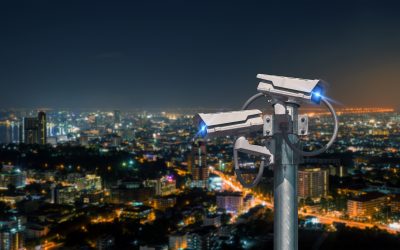
Alarms and CCTV are valuable, but neither can confirm the full situation at a school after hours. An alarm identifies an event, while a camera shows only what falls within its field of view. Nightly patrols add physical verification, observation and an agreed response process.
The limits of remote alerts and recorded footage
A remote alert can indicate a door opening, movement or another configured event, but the cause may remain unclear. It could involve authorised activity, a fault, weather, an animal or an incident that needs action. Operators can review the available information, but they cannot see beyond camera coverage or confirm conditions elsewhere on campus.
Recorded footage is useful mainly when the relevant area is visible and the image is usable. Glare, darkness, foliage, dust, obstructions or a changed building layout can all reduce its value. An unattended alert also loses value when contact details or response instructions are out of date.
How a visible on-site presence adds another layer
A patrol officer can attend the campus, observe conditions from authorised areas and identify issues that electronic systems cannot explain. A visible patrol vehicle or officer may discourage opportunistic trespass or property damage, though no patrol can guarantee that an incident will be prevented.
Physical checks can also reveal a gate left unsecured, damage outside a camera’s view or unusual activity near a building that has raised no alarm. The benefit comes from combining presence with clear patrol priorities, not simply recording an attendance.
How patrols support alarm monitoring and incident response
Patrols support alarm monitoring by following an agreed procedure for attendance, verification, communication and escalation. Depending on the circumstances and service scope, an officer may inspect accessible external areas, report observations, contact an authorised school representative, request emergency assistance or help restrict access to an affected area.
The school should define who receives notifications, who can authorise access, when emergency services are contacted and what officers must not enter or handle. Alarm zones, camera references, keys or credentials and out-of-hours contacts should be kept current. These arrangements allow CCTV, alarms and patrols to work as complementary layers rather than isolated measures.
How to plan patrol coverage for a private school campus
Effective nightly patrols reflect how the campus is used, where after-hours problems could arise and what response the school expects. A sound plan defines patrol timing, priority areas, officer access and escalation procedures without relying on a fixed routine that leaves avoidable gaps.
Match patrol frequency and timing to campus activity and risk
No single patrol frequency suits every school. Coverage depends on campus size, operating hours, local conditions, previous incidents and the protection already provided by alarms, CCTV, lighting and access controls.
Patrol windows should account for evening activities, cleaning, contractor attendance and the gap between the last authorised departure and the next morning’s arrival. Higher-risk periods may justify additional attendance, but the schedule should follow a site assessment rather than an assumption based on building numbers alone.
Prioritise vulnerable areas without creating predictable gaps
Each patrol should cover defined priorities such as perimeter gates, isolated buildings, administration areas, technology rooms, maintenance compounds, car parks and locations holding valuable equipment. Areas hidden from public roads or main camera views often need closer attention.
Priorities should not turn the patrol into an inflexible route. Attendance within approved windows, combined with varied route sequencing, reduces predictable patterns while still allowing the school to confirm that required areas were checked. Any variation must remain consistent with officer safety and the agreed scope.
Account for events, holidays, construction and changing site use
Patrol arrangements should change when campus conditions change. Concerts, sports fixtures, examinations, holiday programs and parent events can extend occupancy or alter access points. During holidays, a mostly vacant campus may need different coverage from a normal teaching week.
Construction adds further issues, including temporary fencing, contractor access, stored materials and buildings that cannot be secured in the usual way. The school should communicate these changes before they affect a scheduled patrol.
Set clear access, communication and escalation procedures
The written patrol plan should state where officers may enter, how authorised access is managed and which areas require special permission. It should also identify current school contacts, backup contacts and the circumstances for contacting emergency services.
Officers need clear instructions for alarm activations, unsecured doors, property damage, unexpected occupants and safety hazards. Reporting should record attendance, observations and actions taken. Contact lists, access arrangements and escalation boundaries should be reviewed whenever responsible staff, campus use or security systems change.
What should happen when a patrol officer finds a problem
When a patrol officer identifies a problem, the priority is to assess it safely, follow the school’s agreed escalation procedure and create a reliable record for further action. The right response depends on the immediate risk, the officer’s authority and whether police, fire, ambulance or another specialist service is required.
Assessing the situation without creating unnecessary risk
The officer should first observe from a safe position and determine what can be confirmed without confrontation or entry into a hazardous area. A damaged door, an unidentified person, a fire indicator, a water leak and an unsecured building each call for a different response.
The officer should not disturb suspicious items, enter an area presenting an obvious danger or pursue a person where doing so would create further risk. The patrol instructions should define when to maintain observation, withdraw, request assistance or escalate immediately.
Notifying authorised school contacts and emergency services
Every patrol plan should contain a current contact list and a clear notification order. This may include the school’s authorised representative, facilities manager, alarm monitoring provider and relevant emergency service. Contacts should know what decisions they are authorised to make, including arranging repairs or approving temporary controls.
Reports from the scene should be concise and factual: what was observed, where it occurred, whether anyone appears to be at risk and what action has already been taken. Urgent threats to people or property require prompt contact with the appropriate emergency service rather than waiting for a school representative to respond.
Securing the area and preserving useful incident information
Where it is safe and authorised, the officer may restrict access, protect the affected area or remain nearby until an authorised person arrives. Any temporary action must stay within the patrol scope and should not conceal evidence or create another hazard.
Useful information includes observation times, locations, descriptions, access points found open and relevant photographs where permitted. CCTV footage, alarm records and access control events may also need to be retained by authorised personnel under the school’s procedures.
Providing reports for follow-up and security improvements
Patrols should produce consistent incident records, not vague assurances. A useful report identifies the time, location, observations, notifications, actions and outstanding issues. Repeated findings, such as the same gate being left unsecured or lighting that regularly fails, should trigger a review of maintenance, access procedures or patrol coverage. This turns each patrol finding into a practical basis for corrective action.
What a school patrol assessment and written scope should cover
A school patrol assessment should translate a campus’s actual after-hours risks into clear patrol duties, attendance requirements and escalation procedures. The written scope should define what officers are expected to check, how completion is recorded and where their authority ends. This gives the school and the patrol provider a shared operational reference.
Campus layout, operating hours and existing security systems
The assessment should map buildings, boundaries, vehicle and pedestrian gates, car parks, sports facilities, plant areas and other relevant locations. It should also identify poorly lit or isolated approaches and areas with restricted access.
Operating patterns matter. Evening events, cleaners, boarding activities, contractors and early staff arrivals can all affect what counts as unexpected activity. Existing alarms, CCTV, access control, intercoms and lighting should be documented, together with any known coverage or reliability limitations. Patrols should complement these systems rather than assume every area or alert is already covered.
Patrol areas, attendance expectations and reporting requirements
The written scope should identify required patrol zones, priority checks and any locations officers must not enter without specific authorisation. It should define attendance windows, expected duration or duties, and arrangements for weekends, holidays and special events without creating predictable patterns.
Reporting requirements should state how completed visits, observations, hazards and incidents are recorded. Useful records generally include the date, attendance time, areas checked, relevant findings, actions taken and notifications made. The scope should also explain how missed or incomplete patrols are reported.
Alarm response, authorised contacts and escalation boundaries
If patrols include alarm response, the assessment should confirm which alarm events are covered, how officers receive instructions and what access credentials or keys are authorised. Contact lists need named roles, current phone details and a clear order of escalation.
Boundaries are essential. Officers should know when to observe and report, when to request emergency assistance, and when an area must remain undisturbed for investigation. Procedures should not require an officer to enter a situation that presents an unreasonable risk.
Quote assumptions, exclusions and arrangements for changing needs
The proposal should state patrol frequency, service periods, included areas, reporting methods, alarm-response arrangements and any separately scoped attendances. It should identify assumptions about site access, keys, inductions, communications and school-provided information, along with exclusions such as additional event coverage or extended attendance.
It should also explain how changes are approved. Construction, new buildings, altered gate use or revised operating hours may require the patrol plan and price to be reassessed rather than informally added to the existing scope.
Frequently asked questions about school security patrols
Do nightly patrols replace on-site security guards?
Not necessarily. A mobile patrol provides scheduled or agreed attendances, while an on-site guard remains at the campus for defined hours. Patrols can suit periods of low occupancy where checks and a visible presence are the priority. A resident guard may be more appropriate for continuous access control, frequent visitor movement or ongoing supervision. Some schools use both.
Should patrol arrangements change during school holidays?
Yes, where the campus risk or activity pattern changes. Holidays can mean fewer staff, longer periods of vacancy, construction work, maintenance contractors or holiday programs. Patrol timing and priority areas should reflect those conditions. Schools should also update authorised contacts, contractor access details and escalation procedures before an extended closure.
Can patrol officers respond to alarm activations?
They may, provided alarm response forms part of the agreed service and clear procedures are in place. The scope should define who dispatches the officer, which areas may be accessed, who receives notifications and when emergency services or school representatives must be contacted. Attendance arrangements and their limits should be documented rather than assumed.
How can a school confirm that scheduled patrols were completed?
Completion can be supported by time-recorded patrol reports, approved site checkpoints, incident notes and escalation records. Reporting should show when attendance occurred, which agreed areas were checked and whether anything required follow-up. The school should also know how missed, delayed or incomplete patrols will be reported and managed.
How often should a school review its patrol plan?
Reviews should occur on a scheduled basis and whenever site conditions materially change. Useful triggers include new buildings, changed gate access, altered evening activities, repeated alarms, construction, and changes to cameras or lighting, along with emerging patterns in patrol reports. Contact lists and escalation instructions also need regular checking. A site assessment can determine whether patrol frequency, timing and coverage still match how the campus is used.
Written by Sam Hayes
Details provided in this article are subject to change over time. Pacific Security Group is not liable for any errors, omissions, or updates that may affect accuracy.