Understanding the Importance of Strata Security
Security upgrades for property managers are becoming increasingly important as strata communities expand across urban centres. In Brisbane and other bustling urban centres, the growing demand for strata living, where individual units share common areas and facilities, underscores the pressing need for effective security measures. Strata schemes are designed to balance community living with personal privacy, presenting unique challenges for property managers tasked with ensuring safety. This task is further complicated by the diversity of residents and the wide array of potential vulnerabilities within shared spaces. To truly understand the value of strata security, we must carefully examine what it entails, its critical role for property managers, and its significant influence on tenant satisfaction.
What Is Strata Security?
Strata security is a comprehensive approach to safeguarding shared residential or commercial properties under strata title. This setup is common in apartment buildings, townhouses, or commercial complexes, where owners hold separate lots while sharing common property. The concept goes beyond just protecting individual units. It includes comprehensive security measures that cover common areas such as lobbies, gyms, parking lots, and recreational facilities. Effective strata security employs an integrated system encompassing access control, surveillance cameras, alarm systems, and intercoms.
Imagine a high-tech fortress where each component works in harmony. Access control systems ensure that only authorised individuals can enter secure areas, reducing the risk of unwanted incidents. Surveillance cameras provide constant monitoring of common spaces, deterring criminal activity and providing evidence if necessary. Intercoms facilitate communication between residents and management, enhancing response times during emergencies. This layered security approach provides an extensive safety net, ensuring that strata dwellers and their belongings remain secure.
Why Is Security Crucial for Property Managers?
For property managers in Brisbane, security is a fundamental responsibility. Robust security measures are vital to managing risk and maintaining property value. Property managers face the daunting task of ensuring peace and enforcing rules in diverse, dynamic environments. Effective security systems serve as both deterrents and safeguards, reducing the likelihood of theft and vandalism and ensuring a sense of safety, which in turn protects a property’s reputation.
Consider the busy world of a property manager as a captain navigating a ship through challenging waters. Reliable security solutions act as the vessel’s lighthouse, providing visibility and guidance. With strong security protocols, property managers can focus more on community-building initiatives and less on damage control, thereby fostering a more vibrant and engaging environment.
Beyond immediate safety concerns, a well-protected property is more attractive to potential tenants and buyers. It ensures compliance with local regulations and reduces liability concerns for property managers. A noteworthy statistic is that properties with visible security measures, such as CCTV, experienced a 67% reduction in criminal activities, according to a study conducted in Queensland. Hence, security is not just a feature; it is an investment in the property’s present condition and future profitability.
The Impact of Security on Tenant Satisfaction
Security is essential in tenant retention and satisfaction. For tenants, safety goes beyond having locks on doors; it’s about living, working, and playing in an environment free from fear. In strata schemes, tenants value a sense of community complemented by safety assurances. In a 2022 survey conducted across several Brisbane suburbs, over 75% of tenants indicated that security was a key factor influencing their decision to stay long-term in a property.
Effective strata security enhances quality of life and fosters community trust, which is a vital ingredient for harmonious shared living. When tenants see and experience the commitment to their safety, through well-maintained lights, responsive intercoms, and proactive security patrols, their confidence in the property manager’s ability to look after them is solidified. This, in turn, reduces turnover rates and minimises costs associated with new occupants.
Tenant satisfaction relies heavily on safety, and with strata security systems in place, landlords and property managers assure residents not only of their safety but also of the security of their home investments. Ultimately, this trust translates into lasting relationships that enhance community experiences and contribute to a thriving, secure urban environment.
Identifying Security Needs in Strata Properties
Effective security in strata properties requires careful planning, tailored solutions, and continuous improvement. As the property manager, you are responsible for safeguarding the residents’ collective interests while navigating budget constraints and regulatory mandates. Identifying security needs in strata properties requires evaluating the unique vulnerabilities and specific circumstances your property faces. In doing so, you gain the doubly advantageous position of enhancing resident satisfaction while simultaneously increasing the property’s value.
Understanding these needs starts with acknowledging the dynamic nature of strata living. A strata property is a shared space and a diverse community that relies on cooperation and common amenities. This context naturally demands a heightened focus on entry points, communal areas, and access control measures. Moreover, strata properties typically have higher resident density, making them attractive targets for opportunistic threats, from trespassing to theft. The challenge, therefore, lies in crafting a holistic security plan that is integrative without being intrusive, providing residents with peace of mind while discreetly addressing potential risks.
In Brisbane’s burgeoning urban landscape, where strata living is becoming increasingly prevalent, recognising and addressing security needs with precision and sensitivity becomes essential. Consider local crime trends and use a forward-looking lens to anticipate potential challenges. By doing so, you demonstrate a commitment to both current and future residents, fostering an environment of trust, reliability, and community.
Conducting a Security Audit
Conducting a security audit is the first crucial step in identifying and addressing the security needs of strata properties. A security audit offers a comprehensive overview of the property’s strengths and vulnerabilities. This process involves assessing both the physical infrastructure and the overarching security systems in place. It’s like running a security health check on the building, providing insights to inform your decisions.
Start by reviewing all entry points, including main entrances, side doors, car parks, and emergency exits. Each point is a potential vulnerability if not properly secured. Evaluate the access control systems to ensure they are up to date and functional. Are the resident access codes, cards, or keys managed effectively? Next, scrutinise the surveillance systems: Are the CCTV cameras strategically placed for optimal coverage? Are the recordings accessible only to authorised personnel?
Beyond physical systems, engage with the residents and staff. Gathering feedback from daily visitors to the property can highlight security gaps that may not be evident during initial inspections. Additionally, consider engaging a professional security consultant to conduct the audit. Experts often have insight into subtle vulnerabilities, such as outdated equipment, poorly lit areas, or insufficient communication protocols.
By conducting a robust security audit, you gain a comprehensive view of what works and what doesn’t, enabling you to address security gaps before they escalate into serious issues. Remember, effective security starts with an awareness of the current landscape, from existing threats to technological advancements, ultimately leading to well-informed decisions.
Common Security Weak Points in Strata Properties
Strata properties, despite their modern conveniences and shared amenities, often present unique security challenges that can compromise residents’ safety. Understanding these common security weak points is integral to devising strategies that effectively mitigate risks.
Firstly, common areas such as lobbies, recreational areas, and car parks are frequent targets for unauthorised access. With high footfall, these areas can provide ideal cover for intruders seeking to blend in unnoticed. Installing and regularly updating monitored surveillance, combined with conspicuous signage, can be a potent deterrent.
Access control is another typical weak point in many strata properties. Older systems that rely on physical keys are easily compromised. Transitioning to smart card or biometric entry systems reduces the risk of lost or duplicated keys. Moreover, system accessibility should be streamlined to support residents’ convenience while incorporating robust authentication protocols.
Locks and gates are often overlooked yet crucial elements. Maintenance of these physical barriers is necessary to prevent tampering or failures that leave access points vulnerable. Schedule regular inspections and upgrades of all locking mechanisms to ensure they meet current security standards.
Finally, poor lighting remains a consistent problem. Dimly lit areas provide cover for illicit activities. Prioritising quality lighting in hallways, stairwells, and exterior spaces can significantly reduce the risk of crime, as studies show well-lit environments discourage criminal behaviour.
Addressing these weak points through proactive measures strengthens the safety of your strata property and builds a foundation of trust and security for all residents and visitors.
Legal Obligations for Strata Security
In Brisbane, the legal landscape governing strata security is multifaceted, reflecting the responsibility property managers have to safeguard lives and assets within the shared living environment. Staying well-versed with these obligations is paramount, ensuring compliance while fostering a secure community.
Under the Queensland Body Corporate and Community Management Act 1997, body corporates are required to reasonably maintain the common property. This includes maintaining all security devices and systems protecting communal areas, as failure to do so could expose the organisation to liability in the event of an incident. As a property manager, you must maintain a visible commitment to this legislation by verifying that all security measures function properly and are updated as needed.
Additionally, ensuring compliance with privacy laws is crucial. Surveillance systems must adhere to the Australian Privacy Principles under the Privacy Act 1988. This encompasses obtaining consent for data collection and the responsible use of protected recordings, highlighting the need for appropriate signage and transparent policies on CCTV usage.
Insurance policies often stipulate conditions linked to the security measures in place. It’s wise to regularly review these policies to ensure they align with the security systems in operation on your property. Failing to do so can impact your coverage during a claim.
Finally, fostering an informed community culture aids in compliance. Providing residents with updates on security protocols, including changes or enhancements, strengthens community trust and engagement.
Attending to these legal obligations not only shields your strata property from legal repercussions but also underscores a commitment to a transparent and comprehensive security approach, assuring residents of their well-being and privacy within their shared space.
Cost-Effective Security Solutions
Property managers are often tasked with safeguarding their assets on a tight budget. However, balancing cost and efficiency doesn’t mean compromising on security. By strategically investing in cost-effective solutions, property managers can enhance their security posture without breaking the bank. Leveraging existing infrastructure, adopting smart upgrades, and prioritising high-impact, low-cost enhancements are key to achieving robust protection efficiently.
Best Practices for Affordable Security Upgrades
The journey to enhancing security begins with a strategy that optimises existing resources. A comprehensive security assessment is essential. This involves evaluating current security measures to identify gaps and opportunities. By understanding the vulnerabilities specific to each property, managers can make informed decisions about where to allocate funds for maximum impact.
Next, prioritise upgrades that deliver the greatest risk reduction. For residential properties, this might be installing smart locks or reinforcing entry points with high-security door locks. Commercial properties benefit from investing in access control systems that manage and monitor entry across multiple points. It’s about focusing on the essentials that offer peace of mind without high costs.
Collaboration with security experts is another crucial practice. Engaging professional security consultants well-versed in the Brisbane landscape provides valuable insights. They offer tailored recommendations, ensuring upgrades are not only cost-effective but also aligned with the property’s specific challenges. For example, a recent case study showed a 30% decrease in security breaches after a property manager consulted with professionals to implement targeted upgrades on a Brisbane business complex.
Leveraging Existing Infrastructure
Maximising existing infrastructure is a cornerstone of cost-effective security management. It begins with a thorough audit of current systems and facilities. This audit identifies which elements can be enhanced rather than replaced, reducing costs. For instance, existing surveillance cameras can often be upgraded with new software to enhance functionality rather than purchasing new units.
Modern technology enables integration, turning established systems into more dynamic units. For instance, pairing older CCTV systems with cloud-based storage ensures footage is secure, has longer retention, and is accessible remotely. This integration is particularly valuable in Brisbane, where many neighbourhoods experience fluctuating safety trends. Enhancing rather than replacing systems ensures budget-friendly results.
Moreover, leveraging automation and centralised control can generate savings by reducing manual monitoring. Systems that centralise alerts and control allow property managers to allocate resources more efficiently. This reduces human error, streamlines incident response, and improves overall security effectiveness. The focus is always on transforming current assets into more efficient, powerful solutions.
High-Impact, Low-Cost Enhancements
Achieving a robust security posture doesn’t always require significant investment. Often, small enhancements can have a considerable impact. For example, enhancing lighting around high-trafficked or vulnerable areas is an effective deterrent. It is well-documented that well-lit premises experience fewer incidents of theft and vandalism, making upgrading to energy-efficient LED lighting a practical solution.
Furthermore, affordable alarm systems can enhance security without increasing budgets. Options that provide 24/7 monitoring and integrate with mobile alerts are available at competitive costs. These systems ensure a rapid response to potential threats, providing property managers and tenants peace of mind.
Another high-impact solution is establishing community-focused security strategies. Encouraging tenant involvement in security practices, such as reporting suspicious activity or participating in neighbourhood watch schemes, fosters a culture of collective vigilance. This is particularly effective in cohesive Brisbane communities, where neighbours look out for each other.
Collectively, these solutions demonstrate the art of protecting assets through strategic planning and resource allocation, redefining what it means to maintain safety on a budget. Property managers are empowered to implement solutions that deliver tangible results, ensuring both affordability and effectiveness in their security strategies.
Access Control System Upgrades
As the property management landscape continues to evolve, securing premises is paramount. By implementing cost-effective, strategic upgrades to access control systems, property managers in Brisbane can enhance security, streamline access, and ultimately drive tenant satisfaction. Given the city’s rapid urban development, ensuring the highest level of security for both residential and commercial properties is not merely an option but a necessity.
Types of Access Control Systems
Choosing the right access control system begins with understanding the available options. Traditional key-based systems have gradually given way to more advanced solutions, tailored to increase convenience and safety.
- Keypad Entry Systems: These systems use numeric codes to deter unauthorised access and reduce the hassle of managing and distributing physical keys. Keypad systems are particularly advantageous for properties with a high turnover, such as short-term rentals or multifamily dwellings.
- Card and Fob Systems: These systems use RFID to enable access with cards or fobs. They serve as a modern twist on traditional key systems, offering easy-to-manage, scalable access options. Imagine a commercial office block where tenant credentials check who enters and exits, providing data for both security and operational insights.
- Biometric Systems: Leveraging fingerprints, facial recognition, or retinal scans, biometric access controls ensure that only authorised individuals can gain entry. While the upfront investment may be higher, these systems offer unmatched security and are widely regarded as effective for securing sensitive areas such as data storage facilities or executive offices.
For property managers, making informed decisions about these systems involves not just understanding the technology but also evaluating how each aligns with specific property needs and regulatory requirements in Brisbane.
Integrating Access Control with Existing Systems
A seamless security experience doesn’t discard what already exists but enhances it through integration. When upgrading access control systems, it’s critical to consider how the new systems will integrate with existing infrastructure.
Integration can transform a series of disparate security measures into a cohesive, proactive defence strategy. For example, a swipe card system that interacts with your existing surveillance cameras can not only log entries and exits but also trigger a camera recording, providing real-time visual evidence.
Additionally, considering compatibility with building automation systems can yield operational efficiencies. Imagine integrating lighting and HVAC systems with access controls to automatically tailor environments based on room occupancy. This can lead to energy savings and an enhanced occupant experience, making it an invaluable selling point for potential tenants.
When implementing upgrades, engaging with professionals who specialise in multi-system integration is crucial. This engagement ensures systems are not only compatible but also optimised to work in unison, providing comprehensive security without disrupting existing structures.
Choosing the Right Access Control System
Selecting the optimal access control system requires a nuanced approach that balances property-specific security needs with tenant expectations. Evaluating factors such as the building’s traffic volume, tenant demographics, and desired security level is essential.
For instance, a commercial hub in Brisbane’s CBD might favour biometric systems, ensuring only authorised personnel have access to restricted areas. Meanwhile, a residential complex might opt for a user-friendly FOB entry system, satisfying occupants with its ease of use.
Engaging tenants and other stakeholders in the selection process can lead to a more accepted and effective system. Understanding their needs and preferences not only builds trust but also ensures the solution delivers tangible value to their daily routine.
Ultimately, the right access control system bolsters safety without compromising convenience or accessibility. It should fit naturally into the property’s existing ecosystem while offering future-proof flexibility to adapt to evolving needs.
Cost-Benefit Analysis of Various Access Control Options
Investing in access control systems involves smart financial planning. Conducting a cost-benefit analysis helps property managers to make informed decisions that maximise value.
Start by evaluating upfront costs versus long-term gains. While biometric systems might require significant initial investment, their reduction in key replacement and management costs can be substantial over time. Moreover, these systems often enhance a property’s appeal, potentially increasing occupancy rates.
Another key consideration is the system’s scalability. As properties evolve, accommodating new tenants and technologies without a complete overhaul is cost-effective. Modular, easily upgradeable systems present a compelling financial case.
A 2023-2024 report by ASIS International found that 93% of organisations consider access control essential to their risk management plan, with over 70% of those with advanced systems reporting five or fewer serious incidents per year. The financial implications of risk mitigation alone make a strong case for strategic upgrades.
Up-to-date access control systems not only fortify security but are pivotal in creating a safe, attractive, and efficient environment. For property managers in Brisbane, strategic investments in these systems ensure their properties remain competitive and secure in a growing urban landscape.
Intercom System Improvements
Intercom systems have long been a staple in residential complexes and commercial buildings throughout Brisbane, serving as the first line of communication within properties. However, as the city grows and security concerns become more complex, having an intercom alone isn’t enough. Upgrading to a modern intercom system can significantly enhance property security and streamline operations for property managers.
Benefits of Upgraded Intercom Systems
Upgraded intercom systems offer multifaceted benefits that go beyond enabling communication between the front door and residents. Firstly, they streamline access control by integrating with smartphones and IoT devices, allowing residents and business owners to grant access remotely. This is particularly advantageous in Brisbane’s fast-paced urban environment, where convenience is crucial.
Secondly, these systems enhance security by incorporating video and facial recognition technology. Video intercoms, for instance, allow residents and property managers to visually verify visitors’ identities before granting entry, a feature that deters potential intruders. A study by the Australian Institute of Criminology found that visible security systems can significantly reduce the likelihood of unauthorised entry.
Lastly, modern intercoms improve communication efficiency by offering multi-unit connectivity. Property managers can broadcast important messages or updates to all units simultaneously, which is critical in emergencies, ensuring messages are conveyed swiftly and accurately.
Key Features of Modern Intercoms
The landscape of intercom systems has dramatically evolved with technology, offering features that deliver advanced functionality and enhanced usability. Here are key features of modern intercoms that set them apart:
- Video Capabilities: High-definition video feeds allow clear visual identification, enhancing security and, importantly, peace of mind for residents and staff alike.
- Remote Access: With mobile integration, residents can answer calls and grant access from any location using their smartphones. Whether at work, on the go, or at home, accessibility is simplified.
- Integration with Existing Security Systems: Modern intercoms seamlessly integrate with other security systems, such as CCTV and alarm systems, creating a cohesive security framework.
- Touchscreen Panels: User-friendly touchscreen interfaces enhance the resident experience, making the system easy to navigate and manage.
- Custom Alerts and Announcements: Managers can program notifications and announcements to broadcast across the network swiftly.
By investing in intercom systems with these features, property managers can enhance security measures and operational efficiency, presenting a smarter way to modernise property communication infrastructure.
Installation Considerations for Intercoms
Installing an upgraded intercom system requires thorough planning and consideration to ensure a seamless integration with your existing setup. Key factors need to be addressed to maximise the effectiveness of the installation:
- Compatibility with Current Infrastructure: Evaluate existing wiring and connectivity solutions. Many modern intercom systems require minimal wiring thanks to Wi-Fi capabilities, but verifying compatibility with existing infrastructure helps avoid unexpected issues.
- Location and Coverage: The location of intercom units should be strategically planned to maximise coverage and accessibility. Ideally, intercoms should be installed at key access points and heavily trafficked areas within the property.
- Scalability: Choose systems that allow for scalability. Whether addressing a small complex or a large commercial building, a scalable system allows for future growth without needing a complete overhaul.
- Professional Installation Services: Utilising professional installation services helps ensure compliance with local regulations and standards, avoids potential issues later, and maintains equipment warranties.
These considerations are integral to achieving optimal functionality and user satisfaction. Modernising your intercom systems is not merely a technological upgrade; it’s an investment in the safety and efficiency of your property management operations. As Brisbane continues to evolve, keeping pace with these advancements supports both security and convenience, ultimately offering a superior experience for clients and residents.
Enhancing Security Patrols and Surveillance
In Brisbane’s residential developments and commercial complexes, the importance of meticulous security measures cannot be overstated. Enhancing security patrols and surveillance is pivotal in deterring potential threats and ensuring safety. Security patrols provide the tangible presence needed to deter criminal activity. In contrast, surveillance cameras act as vigilant observers, capturing events in real time. Together, they form an unshakeable foundation of protection.
Optimising Security Patrols for Efficiency
Security patrols are synonymous with maintaining peace of mind. Yet patrol efficiency does not simply mean covering more ground in less time. It’s about strategic deployment and the smart utilisation of resources. Mobile apps and GPS technology have revolutionised the way patrol routes are planned. By analysing data on location hotspots and prior incidents, property managers can determine patrol frequencies that align with risk levels, thereby enhancing deterrence.
Real-world examples paint a clear picture: in a Brisbane suburb, a property’s security patrols were restructured based on data analytics, resulting in a 35% reduction in post-dusk incidents. Additionally, integrating technologies such as NFC tags enables real-time logging of patrol data, enhancing accountability and providing a comprehensive overview of patrol activities. Patrol staff equipped with portable devices can report incidents in real time, ensuring a quick response to emerging threats.
However, efficiency should never come at the cost of presence. Every guard should know that a visible, engaging approach, such as making eye contact or offering a friendly greeting, can be an effective deterrent. This blend of human touch and cutting-edge technology ensures that security patrols remain an indispensable frontline form of protection.
Utilising Surveillance Cameras Effectively
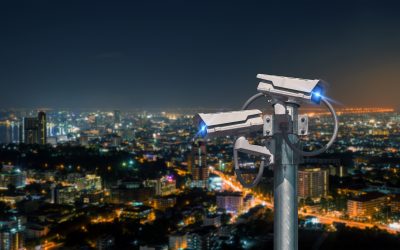
Surveillance cameras are invaluable assets in the security toolkit, yet their effectiveness hinges on strategic placement and intelligent use. Simply having cameras is not enough; they must be thoughtfully positioned in high-traffic areas, entrances and exits, and potential blind spots. The power of cameras lies in their ability to capture high-resolution footage, providing indisputable evidence that can deter crime before it happens.
Take, for instance, a local retail precinct in Brisbane that significantly reduced shoplifting by strategically deploying cameras that captured wider angles of store entrances and aisles. This ensured comprehensive coverage and reduced attempts at concealment in blind spots. In addition to visibility, modern cameras designed for 24/7 operation include features such as motion detection and low-light performance, ensuring no activity goes unnoticed day or night.
Businesses and residential properties alike can benefit from cameras with integrated analytics that recognise unusual patterns and alert property managers in real time. Imagine the value of receiving an immediate notification if a vehicle loiters in an alleyway for too long! These advanced systems transform passive footage collection into an active, preventative measure, bridging the gap between surveillance and proactive security.
Remote Monitoring Options for Strata Property Managers
For strata property managers, the ability to monitor multiple buildings remotely offers immense peace of mind and operational efficiency. Remote monitoring systems enable real-time surveillance feeds accessible from any location, reducing the need for constant on-site presence and empowering managers with instant insights across entire properties.
A compelling example hails from a high-rise apartment complex in downtown Brisbane. The strata manager implemented an integrated remote monitoring system that connected all surveillance cameras and building entry points to a unified platform. This allowed the manager to quickly assess situations, dispatch patrol units, or contact law enforcement as needed, significantly reducing response times.
Furthermore, remote monitoring is not just a reactive tool; it also offers a wealth of data on foot traffic, regular movements, and anomalies that can be leveraged to enhance overall security measures. Custom alerts can be configured to notify managers of unusual activity or breaches, enabling rapid responses tailored to each property’s security needs.
Enhancing security patrols and surveillance requires strategic application and the integration of innovative technologies. These enhancements not only bolster safety but also provide peace of mind, establishing a robust security infrastructure that’s as efficient as it is effective in Brisbane’s urban landscape.
Implementing Robust Monitoring Systems
In Brisbane, where properties continue to grow alongside the vibrant community, robust monitoring systems have become essential. Whether you are a property manager overseeing a thriving strata complex or a business manager ensuring the security of your commercial property, the right monitoring system provides peace of mind and enhanced safety. The right systems do more than merely watch. They integrate, alert, and adapt to potential threats, protecting what matters most.
The Role of Alarm Systems in Strata Security
Alarm systems are the silent sentinels of strata security, vigilantly guarding shared spaces and individual units. In Brisbane’s property landscape, where strata living is increasingly popular, they serve as both psychological and physical deterrents, helping safeguard residents and their assets against potential threats. Picture them as the vigilant guardian that never sleeps, always ready to sound the alarm.
A well-integrated alarm system in strata properties addresses more than just break-ins. It can detect fires, gas leaks, and flooding, providing comprehensive protection against various emergencies. This multi-layered approach not only enhances safety but also boosts inhabitants’ confidence. Research published by the Australian Institute of Criminology found that nearly 50% of offenders identified a working alarm system as a primary deterrent that would cause them to abandon a target. Using locally relevant systems tailored to Brisbane’s environmental conditions helps ensure your property remains secure under varying external conditions.
Strata managers can further benefit by integrating alarm systems with broader building management systems. Imagine being able to monitor real-time alerts on a smartphone and make swift, precise decisions with ease. This level of integration empowers residents and property managers alike, creating a harmonious living environment grounded in security.
Partnering with Security Monitoring Services
Brisbane’s growth has been accompanied by an increased demand for around-the-clock security vigilance, making partnerships with professional security monitoring services invaluable. These partnerships transcend mere technology, combining human expertise with cutting-edge technology to enable swift, informed responses to security breaches.
Partnering with a security monitoring service gives property managers access to a dedicated team of professionals available 24/7. These experts understand the intricacies of various alarm and surveillance systems and can provide immediate evaluations of alerts, deciding when to escalate incidents or dispatch emergency services. Imagine your property under the watchful eyes of a responsive team that reacts immediately to any disturbances, significantly reducing potential risks.
The benefits of this approach are tangible. Statistics indicate that monitored systems respond 20% faster than unmonitored systems. In a city like Brisbane, where minutes can make all the difference, this efficiency is crucial. By collaborating with trusted monitoring partners, property managers can strike the right balance between technology and human intervention, ensuring that all security events are handled judiciously and with care.
Moreover, these partnerships often include access to ongoing upgrades and maintenance, ensuring your systems never become outdated, and the option to tailor services to your property’s specific needs and budget, with scalability that grows alongside Brisbane’s evolving urban environment.
Evaluating Monitoring Technologies
The array of monitoring technologies available today is as diverse as Brisbane’s landscape itself. As decision-makers seeking the most suitable options for property monitoring, it’s vital to assess not just the features but also the adaptability and relevance to your specific needs. Choosing the right technology involves analysing factors such as scalability, integrations, and cost-efficiency to ensure a seamless fit within your existing infrastructure.
Start by examining networked surveillance systems that utilise AI for advanced object detection and behaviour analysis. These systems go beyond recording to identify unusual activities and alert security personnel to potential threats before they escalate. With insights powered by AI, property managers gain unparalleled visibility and control, making proactive security management a reality.
Furthermore, it’s essential to consider cloud-based monitoring systems. Unlike traditional setups, these systems offer remote access and greater flexibility, tailoring security solutions that match the fast-paced rhythm of Brisbane’s lifestyle. They enable property managers to receive real-time updates, view live footage, and manage security protocols from any location at any time.
Finally, cost considerations remain crucial. Technologies should balance initial investment with long-term savings by reducing incidents and insurance costs. More advanced systems, while sometimes pricier upfront, can offer significant operational efficiencies and risk reductions.
Implementing robust monitoring systems enhances safety and comfort across Brisbane’s properties, serving residential and commercial needs. By integrating cutting-edge alarm systems, forging strategic partnerships, and carefully evaluating advanced technologies, property managers can confidently tackle today’s security challenges, ensuring secure and harmonious environments for all.
Engaging Tenants in Security Practices
Engaging tenants in security practices not only safeguards the property but also fosters a sense of shared responsibility and community. By actively involving tenants in security protocols, property managers can build mutual trust and greater awareness of security risks. This collective approach ensures that everyone plays an integral role in maintaining a safe living environment, ultimately improving the overall effectiveness of any security system.
Educating Tenants about Security Protocols
The cornerstone of tenant engagement is thorough education on security protocols. Imagine security not as a static barrier but as a collective shield, requiring every tenant to know their part in its upkeep. Educating tenants on these protocols requires clear communication about actions that help prevent security breaches, such as identifying and reporting suspicious activity, understanding building access systems, and ensuring doors and windows are locked.
Conduct tenant workshops or webinars where they can learn about the specific features of the property’s security systems, such as the functionality of access control systems and the importance of not sharing access credentials. Enhance understanding with multimedia content, such as videos or infographics, which are more engaging than traditional print brochures. Open channels of communication to address tenant queries and concerns. By empowering tenants with knowledge, you cultivate a proactive approach to community security.
Creating a Community Watch Program
Building a community watch program instils a sense of unity and collective vigilance among tenants. This grassroots initiative transforms tenants into active participants in the security landscape, strengthening communal bonds in the process. Start by organising an initial meeting to identify interested participants. Clearly outline the objectives of the program, enhancing vigilance, fostering communication among residents, and escalating concerns to property management or authorities as appropriate.
Encourage participants to conduct regular patrols or observational duties in common areas to enhance visibility and deter potential criminal activity. Create a digital platform, such as a closed social media group, for tenants to share observations and tips in real time. Incorporate recognition for active participants, such as a monthly spotlight or a small token of appreciation, to maintain motivation and participation.
Feedback Mechanisms to Improve Security
Continuously evolving security measures require consistent tenant feedback to effectively adapt and address specific concerns. Implementing structured feedback mechanisms creates an adaptable security strategy that evolves with tenant needs. Develop an anonymous survey or digital feedback form for tenants to report security concerns or suggest improvements.
Encourage open dialogue through regular meetings or forums, where tenants feel comfortable sharing feedback in person. This fosters strong collaboration, as tenants see their contributions directly shaping their living environments. Moreover, demonstrating how feedback drives actionable change strengthens trust in property management and reassures tenants that their safety is a priority. Consider periodic review and reporting of security incidents or findings, highlighting resolutions and enhancements stemming from tenant input.
By driving a culture of responsiveness and inclusion, these feedback mechanisms empower tenants and foster a sense of ownership of shared spaces. This collaborative approach ensures that every tenant contributes to the success of the overall security protocol, deepening the community’s collective resilience.
Future-Proofing Your Strata Security
As property managers in Brisbane, the quest to ensure the security of residential complexes is evolving. With the urban landscape constantly shifting and technology advancing rapidly, it’s essential to address today’s security needs while anticipating tomorrow’s. A forward-thinking approach to strata security not only guards against current threats but also embraces innovation to adapt seamlessly to new challenges.
Embracing Technological Advancements
Incorporating the latest technological innovations is vital for anyone looking to future-proof their strata security. The past few years have witnessed remarkable advancements in the security sector, offering unparalleled convenience and efficiency. Deploying integrated security systems that unify alarms, access control, and video surveillance on a single platform ensures a cohesive security posture. These systems not only streamline operations but also enable real-time monitoring, providing property managers with instant insights.
Imagine walking through Brisbane’s streets: that same dynamism can apply to your complex’s security system through Artificial Intelligence (AI). AI-driven analytics enhance the ability to detect suspicious activities, enabling immediate responses that outpace traditional methods. By leveraging AI, property managers can proactively respond to incidents, potentially reducing response times and mitigating risks.
For instance, installing smart intercoms that use voice recognition technology enables residents to enter easily while maintaining robust security. These futuristic features are no longer luxuries but essential elements. Property managers who champion such technological advancements often gain a competitive advantage, attracting residents who prioritise security.
Sustainable Security Solutions
Sustainability is a dominant narrative in modern infrastructure, and security solutions are no exception. Sustainable security not only aligns with eco-friendly values but also reduces long-term costs, making it an intelligent investment. Implementing solar-powered security systems harnesses Brisbane’s abundant sunlight, ensuring that features such as surveillance cameras and alarms remain operational during power outages.
Additionally, using LED lighting fixtures for outdoor areas not only deters potential intruders with better visibility but also saves energy compared to traditional lighting solutions. Moreover, these lights are often integrated with motion sensors, ensuring they are activated only when needed, further conserving energy.
Making choices that reflect sustainable principles can enhance your property’s reputation, demonstrating to current and prospective residents that you are committed not only to their safety but also to environmental consciousness. These modern security solutions demonstrate your commitment to the environment while strengthening the overall safety infrastructure.
Regular Security Upgrades and Maintenance
Routine upgrades and maintenance form the backbone of any security system’s longevity and efficiency. Without a doubt, a proactive approach to maintaining these systems ensures they operate at optimal levels, providing continuous protection. Systems that stagnate can become vulnerable, creating avoidable risks and potential failures.
Initiating regular assessments often highlights small issues before they evolve into significant problems. For example, inspecting access control mechanisms might reveal wear and tear that would otherwise go unnoticed. Ensuring that such components are in pristine condition protects the integrity of the entire security framework.
Another critical aspect is the periodic updating of software that underpins modern security systems. Keeping these applications up to date is essential for harnessing new features, improvements, and protection against newly identified vulnerabilities. This vigilance protects the property and ensures compliance with the latest industry standards and local regulations, a top priority for strata complexes in Brisbane.
Continual touchpoints with your security personnel and technology providers create an ecosystem that remains responsive and resilient. By ensuring your security infrastructure receives the attention it deserves, you can provide peace of mind not only for yourself but also for every resident who relies on your decisions to keep them safe.
FAQs
1. What are the most effective security upgrades for property managers?
Security upgrades for property managers typically include access control systems, CCTV surveillance, modern intercoms, and monitored alarm systems. These upgrades help prevent unauthorised access, deter criminal activity, and improve resident safety. Property managers often prioritise solutions that protect both private units and shared spaces such as car parks and lobbies.
2. Why are security upgrades important for property managers?
Security upgrades for property managers help protect residents, reduce property damage, and maintain the value of strata properties. Visible security systems such as cameras and access controls also deter potential offenders. In many cases, improved security can increase tenant satisfaction and long-term occupancy.
3. What affordable security upgrades can property managers implement?
Affordable security upgrades for property managers include installing LED lighting in common areas, upgrading door locks, adding keypad entry systems, and improving surveillance coverage. These solutions deliver strong protection without requiring large investments. Many property managers start with high-impact upgrades that address the most common vulnerabilities.
4. How do access control systems improve security for property managers?
Access control systems are one of the most effective security upgrades for property managers because they regulate who can enter specific areas of a building. Systems such as key cards, fobs, or biometric access prevent unauthorised entry while allowing residents and staff convenient access. They also provide entry logs that help track security incidents.
5. Are CCTV cameras a necessary security upgrade for property managers?
CCTV cameras are widely considered an essential security upgrade for property managers because they provide constant monitoring of shared spaces. Cameras deter theft and vandalism while also providing evidence if incidents occur. Modern systems often include remote monitoring, motion detection, and cloud storage for improved management.
6. How can security upgrades improve tenant satisfaction in strata properties?
Security upgrades for property managers create a safer and more comfortable environment for tenants. When residents feel secure in common areas, parking facilities, and entrances, their overall satisfaction increases. This sense of safety often leads to higher tenant retention and a stronger community atmosphere.
7. What legal considerations should property managers know before upgrading security systems?
Before implementing security upgrades, property managers should ensure compliance with privacy laws and strata regulations. In Australia, surveillance systems must follow privacy requirements, including proper signage and responsible data handling. Consulting legal guidelines or security professionals helps ensure upgrades meet regulatory standards.
8. How often should property managers review or upgrade security systems?
Security upgrades for property managers should be reviewed regularly, typically every 2–3 years or whenever technology changes significantly. Routine security audits can identify outdated equipment, weak access points, or new risks. Regular updates ensure security systems remain effective and aligned with modern safety standards.
9. Can smart technology improve security for property managers?
Smart technology has become a key part of modern security upgrades for property managers. Smart intercoms, mobile access control, and AI-powered surveillance systems allow remote monitoring and real-time alerts. These technologies improve response times and give property managers greater visibility across multiple properties.
10. What is the first step when planning security upgrades for property managers?
The first step in planning security upgrades for property managers is conducting a comprehensive security audit. This process evaluates entry points, lighting, surveillance coverage, and access control systems to identify vulnerabilities. Once risks are identified, property managers can prioritise upgrades that provide the greatest impact for their budget.
Written by Sam Hayes
Details provided in this article are subject to change over time. Pacific Security Group is not liable for any errors, omissions, or updates that may affect accuracy.