Understanding Strata Security
A strata security checklist is one of the most practical tools committees and building managers can use to evaluate and strengthen safety across shared residential environments. In the landscapes of Queensland’s residential communities, strata security emerges as a pivotal element that not only protects assets but also fosters a community-centric environment that enhances the overall quality of life. Strata living, defined by shared spaces and collective responsibility, demands a nuanced approach to security, one that balances individual privacy with communal safety. In Brisbane, a city with vibrant, diverse strata developments, understanding the intricacies of strata security can significantly help committee members and building managers maintain a safe environment for all residents.
What Is Strata Security?
At its core, strata security refers to the protective measures and systems implemented within a strata-titled property, such as apartment complexes, residential communities, or townhouses. Unlike stand-alone properties, strata security involves the oversight and safeguarding of shared spaces, including lobbies, hallways, recreational facilities, and car parks. These shared areas become the heartbeat of community interactions, catalysing the need for comprehensive security solutions tailored to their unique vulnerabilities.
Consider strata security as akin to a well-coordinated symphony, where each instrument, from access control systems to surveillance cameras, plays a critical role in harmonious protection. Modern strata security integrates advanced technologies, such as smart locks and keyless entry systems, enabling seamless access while preventing intruders from compromising the premises. Real-time monitoring and the ability to control these systems remotely further empower building managers and committees to respond promptly to incidents, minimising potential threats before they escalate.
Data shows the impact of strata security: properties with robust strata security systems report significantly lower incidents of theft and vandalism, and residents express higher satisfaction with their living environments. By prioritising strata security, communities send a clear message: they value the safety and well-being of their residents, creating a welcoming space where individuals can thrive.
The Importance of Strata Security in Queensland
Queensland’s dynamism, combined with its urban growth, makes strata security an essential consideration for residential growth and cohesiveness. With a blend of high-perched apartments overlooking the Brisbane River and sprawling suburban developments, the state’s diverse topography presents unique security challenges. Strata communities in Queensland require solutions that can adapt to these varied landscapes, addressing both practical and aesthetic needs.
The importance of strata security in Queensland lies in its ability to enhance property value while simultaneously cultivating a sense of belonging among residents. Security measures deter opportunistic crimes, such as break-ins and vandalism, offering peace of mind to residents who see their homes as sanctuaries. This confidence in security can directly influence a resident’s decision to stay, adopting a long-term perspective that nurtures community stability and engagement.
Another crucial aspect of strata security is compliance with local regulations. Queensland legislation outlines specific standards and responsibilities for strata properties, compelling committees and managers to implement effective security measures. Staying informed and compliant not only avoids legal pitfalls but also enhances the quality of life in these communities. Furthermore, strata security fosters an environment where residents are not just physically secure but also emotionally reassured, encouraging vibrant interactions and social cohesion, a true testament to Queensland’s community spirit.
Strata Security versus Other Types of Security
Strata security presents a unique intersection of individual and collective protection, distinguishing it from traditional standalone property security. Unlike a single-residence security system, strata security must account for multiple access points, a complex network of shared spaces, and a broader range of potential security breaches that could affect numerous tenants simultaneously.
Traditional home security typically focuses on perimeter fortifications and interior monitoring to ensure the private dwelling is shielded from external threats. Strata security expands on this by addressing both internal and external dynamics, crafting a layered defence strategy that accounts for common areas bustling with resident movement. Its breadth is akin to providing personalised protection for each part of a large-scale orchestra, where each section, from strings to brass, requires distinct yet harmonious attention to detail.
A comparative study reveals that strata security systems often utilise more advanced technologies, including networked surveillance systems with multiple cameras strategically placed to monitor key areas effectively. The emphasis on access control differs as well; strata environments necessitate systems that can comprehensively manage resident, staff, and visitor access without compromising convenience or privacy. By deploying systems that enable flexible yet secure entry processes, strata communities can foster an environment of trust and accountability, underscoring the distinctive nature of strata security in Queensland.
In assimilating these insights, we see that strata security not only meets the unique needs of shared living environments but also transcends conventional security approaches by fostering an inclusive, secure residential concept.
Current Trends in Strata Security
In the dynamic landscape of strata security here in Queensland, there’s a palpable shift towards embracing advanced technology, sustainable practices, and a more involved community approach. The importance of safeguarding our living spaces cannot be overstated. With the rise of urban living and the unique challenges it presents, strata communities are leading the way in adopting innovative security solutions that align with environment-conscious values and community-centric policies.
Innovations in Security Technology
The strata landscape is witnessing a technological revolution. Cutting-edge innovations have transformed the way we think about security, intertwining it with convenience and proactive management. Picture this: a building where residents can access their homes through smartphone-enabled credentials, eliminating the need for traditional keys. Advanced access control systems now offer such modern conveniences, ensuring security is never compromised by lost keys or unauthorised access.
Smart surveillance systems are another technological triumph, offering 24/7 monitoring with high-definition cameras and AI-driven analytics. These systems can automatically detect unusual behaviour, such as loitering in restricted areas, and instantly alert building managers on their handheld devices. Such measures drastically reduce response times and bolster community safety.
The integration of the Internet of Things (IoT) further enhances security by enabling devices to communicate seamlessly. For instance, an integrated system could automatically lock communal doors at night, activate security lights, and notify residents of any anomalies, all without manual intervention. These innovations harness technology to not only fortify buildings but also empower strata committees and building managers with real-time data and control.
Sustainability in Security Systems
In terms of sustainability, strata communities are reconsidering how their security systems impact the environment. Traditional security setups often consume considerable energy, but greener alternatives are emerging that focus on efficiency without compromising safety. Solar-powered security cameras, for instance, are gaining traction as an eco-friendly solution that reduces carbon footprints while maintaining vigilant surveillance.
Energy-efficient lighting and motion-activated sensors also play crucial roles in diminishing power consumption. By engaging lighting only when necessary, these systems conserve energy and reduce operational costs. An excellent example is integrating LED lights with motion detectors in stairwells and corridors, ensuring bright illumination only when occupied, thus optimising energy use.
Furthermore, the use of sustainable materials in the construction of security equipment is gaining momentum. Recycled plastics and metals are being utilised to manufacture security hardware, aligning with broader environmental goals. By adopting these green technologies, strata communities not only protect their residents but also actively participate in preserving Queensland’s natural beauty.
Community Involvement in Security Management
An engaged community is integral to a successful strata security strategy. Today, more strata communities in Queensland recognise the power of involving residents in security matters. Building a culture of security begins with open communication and empowers residents to play an active role in protecting their homes.
Regular security awareness workshops provide a platform for residents to learn about the latest security practices, understand how new systems operate, and voice their concerns or suggestions. These workshops foster a collaborative environment where everyone feels responsible for maintaining safety.
Creating a neighbourhood watch within the strata community can further strengthen security measures. By organising residents into groups that regularly patrol or simply remain vigilant, communities can deter potential threats more effectively than relying solely on technology. The value of a watchful resident’s eye is indispensable, serving as both a deterrent and a first line of response.
Together, these trends in strata security underscore the need to balance technical sophistication with human interaction. By harmonising these elements, strata communities not only enhance their security measures but also foster environments where residents feel empowered and safer in their homes. As we continue to navigate the evolving landscape of urban living in Queensland, staying ahead with these trends is key to a secure future.
Regulations and Standards for Strata Security in Queensland
Ensuring that strata complexes in Queensland comply with current security regulations is essential to maintaining both safety and legal integrity. These standards are structured to protect residents, tenants, and assets, and it’s crucial for building managers and committee members to be aware of their obligations under these frameworks.
Government Guidelines and Compliance
Queensland’s strata security is governed by comprehensive guidelines issued by authorities to safeguard properties and their inhabitants. First and foremost, the Queensland Government requires that all strata complexes be equipped with adequate security lighting, especially in common areas such as parking lots and entrances. This guideline is based on increasing safety and reducing the likelihood of criminal activities.
Additionally, entry and exit points must be controlled effectively. This can be achieved through various means, including secure access control systems that utilise keycards or PIN codes. These systems should be regularly audited to ensure compliance and to provide clear records of access events. Building managers could consider implementing visitor management systems to provide transparency and control over who enters and leaves the property.
Compliance is not just about installing the right systems; it also requires ensuring their effectiveness through routine checks and the maintenance of logs. Regular audits by licensed security consultants can identify potential weaknesses, making it easier to address them promptly. According to the Queensland Fire and Emergency Services, appropriate emergency response plans must also be in place, providing instructions for evacuations and critical incident management.
Standard Practices Across Strata Communities
Strata communities employ diverse practices to suit their unique settings, yet certain standard security measures remain prevalent. For instance, many employ CCTV systems as a cornerstone of their security strategy. Modern CCTV setups integrate with digital storage systems, enabling remote monitoring, which is particularly valuable for strata communities with off-site managers or those managing multiple properties concurrently.
Intercoms and video doorbells are standard in strata schemes, allowing residents to verify visitors before granting access physically. These technologies enhance individual safety and deter potential threats by creating a monitored environment. Businesses offering these systems in Brisbane report a significant reduction in unauthorised entries when integrated into the strata’s standard operating procedures.
Another best practice is establishing regular communication channels among residents to foster a sense of community vigilance. Monthly meetings and digital platforms can serve as conduits for discussing security issues, debuting new technologies, and reviewing recent security events. Communities participating in these initiatives often report increased resident involvement and greater satisfaction with their security measures.
Understanding Building Codes and Legislation
Building codes and legislation in Queensland are fundamental to establishing a secure environment for strata properties. The Building Code of Australia provides detailed standards for structural integrity, fire resistance, and, crucially, the integration of security features. Strata managers must have a basic understanding of how these codes apply to their properties.
For instance, any security installations, such as gates and barriers, must comply with specifications outlined in these codes. These guidelines are not static and are periodically revised to incorporate advancements in building security technology. Hence, staying up to date with changes is vital to compliance.
Legislatively, the Body Corporate and Community Management Act 1997 and its regulations govern the conduct within strata properties in Queensland. This includes mandatory inclusion of safety measures and considerations for resident privacy in shared areas. Advisors and legal professionals can often provide invaluable insights, ensuring that your strata community not only complies with the existing laws but also anticipates future amendments.
Continuing education through workshops and legal updates can equip committees and building managers with the necessary tools to navigate the complex landscape of building codes and legislation. Implementing proactive measures based on these insights can prevent potential liabilities and foster a secure living environment for all residents.
Appreciating and adhering to these multifaceted regulations and standards is not just a legal necessity but a commitment to ensuring a secure, thriving strata community. By adopting diligent practices and staying informed, property managers and committees can foster a proactive security culture that underpins the safety and well-being of all stakeholders.
Key Components of a Strata Security System
In Queensland’s urban environment, particularly in cities like Brisbane, defending residential and commercial buildings against security threats requires more than a rudimentary approach. A comprehensive strata security system comprises several vital components that work synergistically to create a sound and secure environment.
Access Control Systems
Access control systems serve as the primary gatekeepers for any strata property, allowing regulated entry for residents and authorised personnel while keeping potential intruders at bay. These systems employ a blend of sophisticated technologies, such as keycards, biometric scanners, and PIN pads, ensuring only those with validated permissions gain entry.
Imagine a multi-layered fortress where each door only unlocks to the correct touch, a real-life manifestation of the old club entry rule, ‘If your name’s not on the list, you’re not coming in.’ This approach secures buildings against unauthorised access and provides a digital log of entries and exits. This information is invaluable for conducting audits during incidents.
For instance, a Brisbane apartment complex integrated an access control system that uses mobile credentials, granting entry via residents’ smartphones. Following this upgrade, the complex experienced a 35% reduction in unauthorised entries and reported no thefts on the premises over the following nine months.
The flexibility and adaptability of these systems cater to Queensland’s unique strata settings, from older inner-city buildings to new suburban complexes. Quick integration with existing infrastructures makes them a preferred choice for strata committees focused on enhancing security while ensuring convenience and streamlining for all residents.
Intercom Systems
Intercom systems have evolved immensely from their rudimentary beginnings. Today, they stand as a multifaceted communication tool crucial for strata security. These systems bridge residents and visitors, enabling face-to-face communication before granting access. They act as the friendly yet firm doorman, offering a personalised interaction that enhances security and elevates the resident experience.
Modern intercom systems, often integrated with video, provide enhanced security by providing a visual confirmation of a visitor’s identity. A building manager in the Brisbane CBD recalls an incident where the intercom’s camera helped identify and deny access to a potential threat, averting a security breach.
Linked seamlessly with access control systems, intercom systems enable building managers to control entry without being physically present, providing peace of mind and supporting remote management practices. This capability is strategic for Queensland’s expansive suburban areas, where site visits may be less frequent.
These systems cater to the very heartbeat of community living by facilitating communication and ensuring that security protocols are adhered to, thereby creating a harmonious environment where residents feel safe and valued.
Security Patrols
Security patrols form an overt component of strata security, providing an authoritative presence that deters potential criminal activity. Patrol officers operate like the vigilant watchmen of old, trusted figures who ensure the community’s safety through their ceaseless vigilance and readiness to address issues as they arise.
Conducting regular patrols, especially during peak vulnerability hours at night, helps detect suspicious activities early. A Brisbane strata property case study noted a 50% reduction in vandalism after security patrols were introduced. Their regular presence sends a clear message to would-be wrongdoers that the premises are under constant watch, thereby minimising risk and boosting residents’ confidence.
Moreover, security patrols enhance protocols by conducting safety checks on critical infrastructure, ensuring everything from fire exits to lighting systems functions correctly. This proactive measure supports the building’s operational efficiency while reducing liability risks for strata committees.
Patrols not only diminish tangible threats but also foster a strong sense of security within the community, reinforcing the priority of safety in strata living.
Security Monitoring and Surveillance
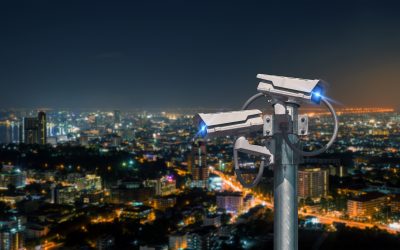
The digital overseer of an increasingly complex world, security monitoring and surveillance systems offer real-time vigilance that complements the human element of security patrols. By deploying a network of strategically placed cameras, properties harness technology to maintain a constant watchful eye, even in the most remote surroundings.
Modern surveillance setups feature high-definition cameras capable of night vision and motion detection, feeding data directly to monitoring centres for swift response. For instance, a large residential block in Toowoomba utilised surveillance systems that led to the apprehension of an individual attempting to break into garages, with footage providing clear evidence for authorities.
Data from surveillance is not only preventative but also a vital resource for investigation in the aftermath of any incidents. For strata communities in Queensland, where property crime fluctuates, having footage available to guide law enforcement can mean the difference between swift resolution and ongoing vulnerability.
By seamlessly integrating with access control and alert systems, monitoring solutions enhance responsiveness, enabling building managers to orchestrate a rapid, coordinated response to threats. These systems embody the guardian role, vigilantly watching while ensuring safety and security remain intact across Queensland’s varied strata environments.
Each component, unique yet harmonious, ensures that strata committees and building managers can provide residents with a robust security framework, designed not just for protection but for the safe, seamless living expected in Queensland.
The Checklist
Assessment of Current Security Measures
Undertaking a comprehensive review of existing security measures should be a top priority for any strata committee or building manager in Queensland. Imagine standing at the helm of a bustling apartment complex, understanding each tier of security like the layers of an onion, from entry points to the core residential areas. Begin by cataloguing the current systems in place, including CCTV cameras, alarm systems, and access controls. Are these technologies up-to-date and operational? Regular system audits can reveal gaps and vulnerabilities, such as blind spots in camera coverage or outdated alarm technologies, that need immediate attention. Utilising security expertise, leverage tools to simulate breach scenarios to assess the integrity of your current setup. Create a detailed report outlining strengths and weaknesses, which will serve as the foundation for further enhancements.
Budgeting and Cost Analysis
Cost consciousness is a significant factor, yet it should never compromise the security of your establishment. Consider budgeting as a balancing act, allocating funds with precision while ensuring robust protection. Begin by identifying all potential security upgrades and maintenance needs discovered during your assessment. Calculate potential costs, incorporating initial investment, ongoing maintenance, and hidden costs, which may include software updates or hardware replacements. Use industry benchmarks to evaluate the cost-effectiveness of proposed security solutions. With transparency at its core, an effective budgeting plan communicates not only the essential expenditures but also their rationale, fostering clarity and consensus among stakeholders. Align the budget with strategic goals to ensure optimal resource deployment.
Hiring Professional Security Consultants
Engaging with professional security consultants is akin to inviting a seasoned, tactical thinker into your fold, bringing external expertise and fresh perspectives. These consultants analyse environments with unparalleled detail, identifying vulnerabilities and suggesting bespoke solutions. But what precisely makes external consultation so invaluable?
Benefits of External Security Assessments
An external security assessment can be transformational, offering objectivity free from internal biases. Think of consultants as strategic partners who enhance security postures through detailed audits and sophisticated risk assessments. Armed with up-to-date knowledge on evolving threats and advanced technologies, they deliver strategies that align with the latest industry standards and regulations. By benchmarking your property against others under similar conditions, you can gain actionable insights into where your security efforts stand. This independent verification not only elevates the quality of your security solutions but also strengthens residents’ and investors’ confidence.
Integrating Advanced Technologies
With the rise of smart innovations, integrating advanced technologies into your security framework could feel like entering a new dimension of protection.
Smart Locks and Access Solutions
Think of smart locks as digital gatekeepers offering seamless, code-based entry, replacing traditional keys with intuitive, wireless alternatives. Leveraging encrypted credential systems, smart locks enhance security by upholding access logs and enabling instantaneous revocation if keys are lost. For residents, these systems blend convenience with peace of mind, ensuring only authorised individuals have access to their spaces. Their significance is often amplified in settings where several committees oversee shared spaces, as they standardise access protocols and reinforce a communal security culture.
Remote Monitoring Capabilities
The ability to monitor property remotely serves as both a watchful guardian and an alert informant. Through cloud-based platforms, real-time video analytics enable immediate threat identification. For example, Brisbane property managers can swiftly review triggered alarms, decide on necessary actions, and instruct security services accordingly, all from a distance. This flexibility also empowers them to receive alerts on mobile devices, ensuring they remain connected to security developments, whether at the office or on the go. Remote monitoring isn’t just about observing. It’s driven by analytics, providing actionable intelligence to pre-empt threats.
Community Engagement and Feedback
For a strata security strategy to truly thrive, it must be underpinned by active community engagement. Harnessing collective wisdom enables committees to tailor security measures to the community’s needs, fostering a spirit of cooperative vigilance.
Formation of Security Committees
Establishing a security committee serves as an organisational anchor, turning stakeholders into strategic partners dedicated to shared safety goals. By assembling diverse groups representing both residents and management, these committees can drive discussions that surface unique security challenges and innovative ideas. Their role is multifaceted: providing oversight, guiding decision-making, and coordinating outreach efforts that keep the community informed and involved.
Regular Security Meetings
These meetings aren’t checkbox exercises; they are invaluable forums for open dialogue, where residents and managers discuss issues, share feedback, and jointly vet proposed security enhancements. Setting a regular meeting cadence ensures security remains a priority, enabling timely reviews of incident reports and monitoring performance. Regular engagement fosters trust and collaboration, reinforcing the community’s conviction in their collective security journey.
Regular Maintenance of Security Systems
Like a well-oiled machine, the performance of security systems hinges on consistent maintenance. Planned maintenance checks are integral, long-term investments in a property’s safety net, ensuring that security systems operate at peak effectiveness without unexpected outages. Regular updates should be scheduled in advance, including software upgrades or important hardware servicing. This preventative approach identifies potential failures before they escalate and extends the lifespan of your security assets. Engaging reliable vendors and service providers is the backbone of an effective maintenance regimen, reducing operational disruptions while ensuring robust protection.
Emergency Preparedness Planning
Imagine emergency preparedness as a detailed choreography, each movement purposeful, designed to mitigate chaos. Contingency plans must address potential emergencies, including natural disasters and security breaches. Beyond drafting documents, effective preparedness involves conducting drills and simulations to familiarise residents and staff with emergency roles and procedures. Always ensure your plans adhere to local laws and guidelines. The value of preparedness lies not only in its preventive nature but in the confidence it instils, empowering residents to react swiftly and assuredly should emergencies arise.
Vendor Management and Contracts
Navigating vendor relationships is akin to steering a multifaceted ship: success depends on adeptly managing partnerships and agreements. Start by vetting vendors based on track records and references specific to Brisbane’s landscape, ensuring their offerings match your strata’s unique security objectives. Contracts should be comprehensive, outlining expectations about service levels, response times, and liabilities. Regularly review these agreements to ensure they continue to serve your evolving needs and address any contractual ambiguities proactively. A well-managed vendor relationship exemplifies strategic alignment, delivering value through consistently reliable services.
Insurance Considerations and Protection
Insurance stands as the financial cornerstone of a robust security strategy, a safety net against unforeseen events. Align your insurance coverage with your property’s current risk profile, accounting for the unique vulnerabilities identified in your security assessment. Engage with brokers who understand the Brisbane market to secure comprehensive coverage at competitive rates. These policies not only protect financial resources but also encompass liability assurance, shielding the property and its stakeholders from potential claims. Regular policy reviews, aligned with technological advancements and emerging threats, ensure sustained protection and peace of mind for the entire community.
Potential Challenges in Strata Security
Navigating the complexities of strata security is an intricate dance between ensuring safety, respecting personal spaces, and managing varied expectations. The unique environment of strata living in Queensland creates distinct challenges, necessitating a well-thought-out approach for committees and building managers.
Managing Security in Large Strata Complexes
Large strata complexes often resemble small self-contained communities, each harbouring its own challenges in managing security. The sheer scale and diversity of these buildings require strategic planning and execution to ensure all residents feel secure.
Think of these complexes as bustling mini-cities; each entrance, exit, and shared space is an intersection that needs careful monitoring. Implementing layered security systems, akin to multiple safety nets, can offer comprehensive coverage. Integrated solutions such as electronic access control, CCTV, and intercom systems work seamlessly together to provide real-time monitoring and rapid response capabilities. However, managing these systems across vast areas is not without its technical challenges. Regular checks and software updates are vital to maintaining peak performance, ensuring systems don’t fall victim to oversight lapses.
At the heart of successful security management lies staff training. Security personnel and building managers should be well-versed in the technology and operations of these systems, essentially becoming the orchestrators of an elaborate safety symphony. Regular training sessions and drills prepare them for emergencies and ensure a polished, confident response when technology meets reality.
Finally, a cohesive security policy tailored to every unique complex is indispensable. This policy should encompass access protocols, emergency procedures, and regular audits, serving as a live document that evolves with the complex’s needs.
Balancing Privacy and Security
While security is paramount in strata living, privacy rights present a balancing act that demands finesse. Residents expect and deserve privacy within their abodes, yet shared areas require vigilance to deter potential threats.
Picture each residential unit as a private sanctuary amidst communal spaces buzzing with life. Surveillance measures must not encroach upon these intimate environments. Strategic placement of cameras, such as outside entrances and in common areas, can maintain the balance, ensuring vigilance without invasion.
Equally important is transparency in security operations. Communicating clearly about what measures are in place, including the scope and purpose of surveillance, fosters trust. Think of it as equipping residents with a road map to safety: clear, informative, and accessible. Furthermore, regular meetings and feedback sessions can provide a platform for residents to voice their views on security matters, enhancing mutual understanding.
Data protection is another critical consideration, guided by Queensland’s privacy legislation. Ensuring compliance with data-handling and storage protocols maintains integrity and reinforces trust, as residents need to know their personal information remains confidential and is used appropriately.
Addressing Resident Concerns and Resistance
When security measures change, it’s natural for some resistance and concerns to surface among residents. Navigating this resistance with diplomacy and factual reassurance can transform initial scepticism into acceptance and support.
Consider change as a wave breaking on the shore. It can erode or sculpt, depending on how it’s managed. Engaging residents through community consultations and allowing them a voice in changes demystifies the process and aligns outcomes with community expectations. Positions of resistance often stem from a lack of understanding or fear of infringement on lifestyle. Use clear, honest communication to dispel myths and align intentions with benefits.
Successful leaders in this field champion transparency and clear communication. A newsletter detailing upcoming security upgrades or community town halls to discuss changes fosters a collective ownership of safety improvements. Additionally, showcasing data and research supporting the efficacy of the proposed changes can provide solid, irrefutable backing to security initiatives.
Addressing security concerns isn’t merely about deploying the latest technology or strict policies. It’s a journey of collaboration, understanding, and adaptation. By embracing these dynamics, strata communities can enhance their collective security posture while nurturing a secure and harmonious living environment.
Future of Strata Security in Queensland
As we gaze into the future of strata security in Queensland, it is clear that technological advancements, innovative planning approaches, and a deep-rooted emphasis on community safety will markedly shape the landscape. In a state known for its vibrant cityscapes and expanding suburban areas, strata living is on a growth trajectory. Consequently, robust, scalable security solutions are paramount. This vision of future security is not just about technology, but also involves strategic foresight and adaptive management that align with Queensland’s unique needs.
Emerging Technologies and Their Impact
Emerging technologies are revolutionising the strata security industry in Queensland, driving significant improvements in how we protect and manage residential communities. Advanced surveillance systems equipped with high-definition cameras now integrate seamlessly with smart networks, providing real-time monitoring and enhanced image clarity. This integration not only deters potential intruders but also aids in rapid incident resolution, ensuring peace of mind for residents.
Moreover, IoT (Internet of Things) is reshaping access control systems. Smart locks and remote access solutions have become essential, enabling building managers to grant or revoke access privileges with a few clicks. This connectivity reduces the administrative burden of traditional key management while providing comprehensive audit trails. Ultra-connected environments enable residents to operate their security systems from smartphones, blending convenience with top-tier security.
One cannot overlook the growing influence of drone technology. These airborne sentinels offer a new dimension to perimeter security, capable of quickly and efficiently monitoring vast areas. Used in tandem with advanced GPS systems, drones furnish strata committees with innovative ways to conduct regular surveillance effortlessly.
The Role of Artificial Intelligence in Security
Artificial intelligence (AI) has transcended its role as a novel idea to become a cornerstone of modern strata security solutions. AI’s predictive analytics and machine learning capabilities enable security systems to move beyond reactive measures. There’s now an opportunity to be proactive. By analysing data patterns and predicting potential security threats, AI equips building managers and committees with the intelligence to anticipate risks and pre-emptively address vulnerabilities.
An exemplary AI application is in video analytics. These advanced systems can autonomously recognise unusual behaviour, track unattended objects, and even gauge crowd density in shared spaces, such as pool areas or lobbies. The reduction in false alarms brings focused attention to genuine threats, optimising community safety and emergency response.
Additionally, automating repetitive tasks with AI frees up valuable human resources, allowing security personnel and managers to focus on strategic planning and community engagement. This fusion of technology and human oversight fosters an environment where security processes are both streamlined and robust, instilling residents’ confidence in their safety.
Long-Term Security Planning Strategies
Strategic long-term planning is a critical component in ensuring the efficacy and durability of strata security systems. With Queensland’s strata scheme developments projected to grow, it is indispensable for committees and managers to adopt a foresighted approach that prepares for the evolving security demands of larger communities.
Begin by conducting comprehensive risk assessments that align with local regulations and standards. Understanding your specific community’s vulnerabilities helps tailor a bespoke security plan. This should include regular updates to security protocols and technology upgrades to keep pace with advancements.
Investing in ongoing training for security personnel and committee members ensures the effective use of security equipment and adherence to the latest protocols. Knowledge-sharing sessions can cultivate a culture of security awareness among residents, thereby fostering participation in community safety initiatives.
Finally, strategies must adapt to Queensland’s urban expansion and environmental considerations. Sustainable and energy-efficient security solutions can mitigate ecological impacts and align with broader community values. A comprehensive maintenance programme should be implemented to prevent system failures and extend the lifecycle of security equipment.
By weaving together cutting-edge technology, AI integration, and strategic foresight, the future of strata security in Queensland is not simply about reactive defence but about an adaptive, collaborative model. This ensures that as our communities flourish, their safety remains uncompromised, guiding Queensland strata into a secure, innovative, and sustainable future.
FAQs
1. What is a strata security checklist?
A strata security checklist is a structured list used by committees and building managers to review and improve the safety of a strata property. It typically includes checks for access control, surveillance systems, lighting, emergency procedures, and maintenance routines. Using a checklist ensures no critical security element is overlooked.
2. Why do strata committees need a security checklist?
A strata security checklist for committees helps identify security risks in shared areas such as lobbies, car parks, and entrances. It provides a consistent process for evaluating safety measures and prioritising upgrades. This structured approach supports better decision-making and improved resident safety.
3. What should be included in a strata security checklist?
A comprehensive strata security checklist for apartment buildings should include access control systems, CCTV monitoring, lighting in common areas, emergency procedures, and security patrols. It should also cover maintenance schedules and incident reporting processes. These elements create a layered approach to building security.
4. How often should a strata security checklist be reviewed?
A strata security checklist review should ideally occur at least once a year or whenever major building changes occur. Regular reviews help ensure security systems remain effective and compliant with regulations. Many committees also revisit the checklist after security incidents or upgrades.
5. Can a strata security checklist improve building safety?
Yes, a strata security checklist for building safety helps identify vulnerabilities before they become serious issues. By regularly reviewing access points, surveillance coverage, and emergency procedures, committees can strengthen security across the entire property. This proactive approach reduces risks and improves resident confidence.
6. Who is responsible for implementing a strata security checklist?
Typically, strata committees and building managers are responsible for implementing and maintaining a strata security checklist. They coordinate security assessments, system upgrades, and regular reviews. In many cases, they also consult security professionals to ensure best practices are followed.
7. Does a strata security checklist help with regulatory compliance?
A well-structured strata security checklist in Queensland can help committees meet local building and safety obligations. It encourages regular reviews of lighting, emergency procedures, and access systems that may be required by legislation. Maintaining documentation also helps demonstrate compliance during audits.
8. What technology should be reviewed in a strata security checklist?
A modern strata security checklist for smart buildings should assess technologies such as keyless entry systems, intercoms, CCTV cameras, and remote monitoring platforms. It should also review cybersecurity and access permissions. Integrating technology improves efficiency while maintaining strong security controls.
9. Can residents contribute to a strata security checklist?
Yes, resident feedback can strengthen a community-driven strata security checklist. Residents often notice security issues in daily life, such as broken lighting or suspicious activity. Encouraging feedback helps committees address concerns quickly and maintain a safer environment.
10. How can building managers create a strata security checklist?
Building managers can develop a practical strata security checklist by reviewing existing security systems, identifying risks, and consulting industry guidelines. Many also work with security consultants to perform professional audits. The checklist should then be updated regularly as new technologies and risks emerge.
Written by Sam Hayes
Details provided in this article are subject to change over time. Pacific Security Group is not liable for any errors, omissions, or updates that may affect accuracy.